
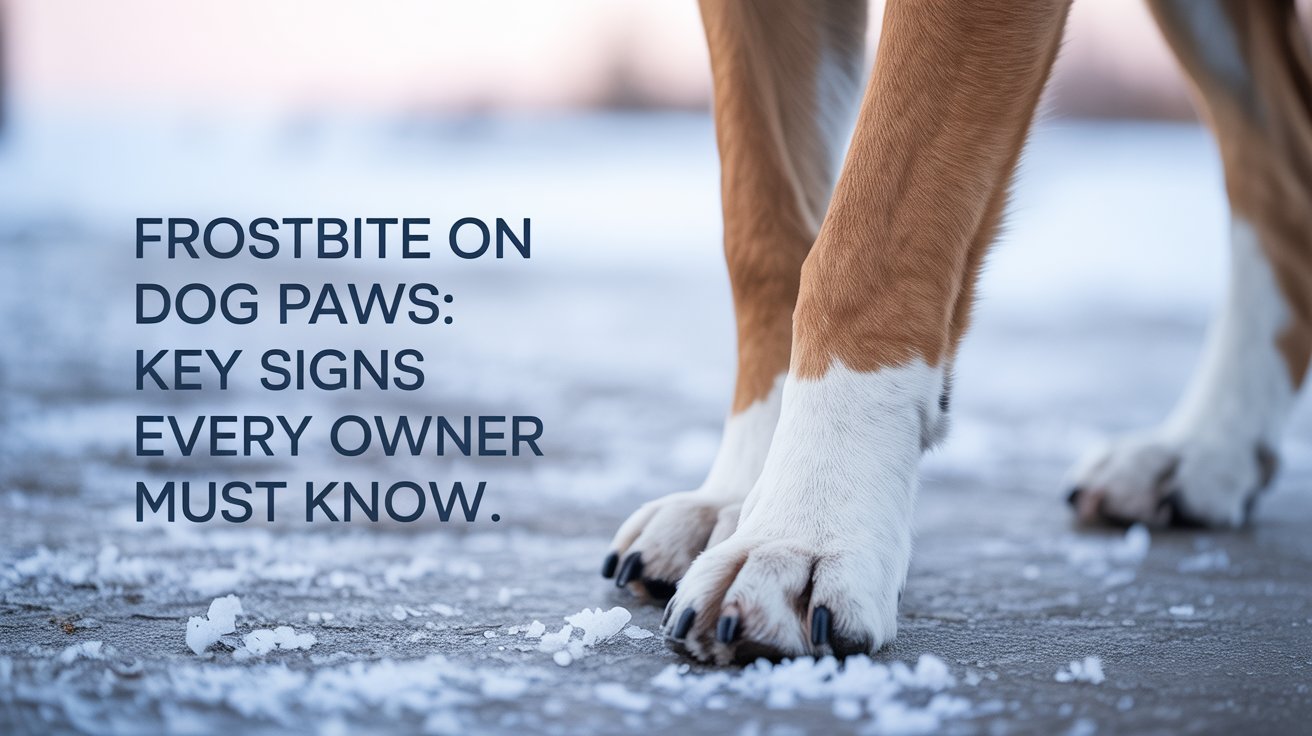
Winter brings cold weather that can harm your dog’s paws. When temperatures drop below freezing, your dog can get frostbite on their paw pads. This happens when skin and tissue freeze from extreme cold.
Dogs walk directly on snow and ice, making their paws very vulnerable. Many pet owners don’t know what to look for until serious damage occurs. Catching frostbite early can save your dog from pain and permanent injury.
This guide will show you the warning signs of frostbite on dog paws. You’ll learn how to protect your pet and what to do if you think something is wrong. Keep your furry friend safe this winter.
What Is Frostbite on Dog Paws?

Frostbite happens when body tissue freezes because of extreme cold. In dogs, the paw pads are often the first area to get damaged. Blood stops flowing properly to these areas, and ice crystals form in the skin.
Paw pads touch cold ground directly, making them easy targets for freezing. Unlike humans who wear shoes, dogs walk barefoot on ice, snow, and frozen pavement. The tissue can start freezing in just 15 to 30 minutes when conditions are bad.
Frostbite comes in different levels of severity. Mild cases affect only the outer skin. Severe cases go deep into the tissue and can cause permanent damage or loss of the paw pad.
Critical Signs of Frostbite on Dog Paws
Knowing what to look for can help you catch frostbite on dog paws early. Check your dog’s paws after every cold-weather walk. Here are the main warning signs.
Discoloration and Color Changes

Healthy paw pads are usually black, brown, or pink, depending on your dog’s breed. When frostbite starts, these colors change quickly. Black or dark pads may turn gray, pale, or almost white. Pink pads often turn blue or purple.
This color change is usually the first sign you’ll notice. It happens because blood flow to the paw pads has stopped or slowed down. If you see these color changes after being outside in the cold, warm your dog up slowly and call your vet right away.
Swelling and Signs of Pain

Frostbitten paws often look puffy or bigger than normal. The tissue swells as it tries to heal from cold damage. Your dog may start limping or holding up the affected paw.
Watch for changes in behavior, too. Dogs in pain might hide, snap when you try to touch their paws, or refuse to walk. They may whimper, cry, or lick the hurt paw over and over. These are clear signs that something is wrong and your dog needs help.
Cold or Brittle Texture to the Touch

Healthy paw pads feel warm and slightly soft. Frostbitten pads feel very cold to your touch, even after coming inside. They may feel hard or brittle instead of their normal texture.
This happens because the tissue has actually frozen. Blood can’t reach the area to warm it back up. The frozen tissue becomes stiff and loses its normal flexibility. If your dog’s paws still feel ice cold 10 minutes after coming inside, this is a red flag.
Blistering or Open Sores

As frostbite on dog paws gets worse, blisters may form. These look like bumps filled with clear fluid or pus. You might also see open wounds that look like ulcers on the paw pads.
Blisters mean the frostbite is moderate to severe. The tissue has been badly damaged. These wounds can easily get infected with bacteria. Don’t try to pop or drain the blisters yourself. Your dog needs professional medical care right away.
Blackening or Darkening of Tissue

The most serious sign is when the paw pad tissue turns black or very dark. This means the tissue has died and cannot be saved. Dead tissue may spread to other areas if not treated quickly.
This is a medical emergency. Your dog needs to see a vet immediately. Waiting can lead to infection throughout the body. In severe cases, the dead tissue may need to be removed surgically. Some dogs lose part or all of their paw pads from extreme frostbite.
How to Prevent Frostbite on Your Dog’s Paws?
Stopping frostbite before it starts is much better than treating it. Here are proven ways to keep your dog’s paws safe in winter.
Invest in Protective Dog Booties

Dog booties work like shoes for your pet. They create a barrier between paw pads and the freezing ground. Good quality booties keep paws dry and warm during walks.
Start getting your dog used to booties before winter hits. Let them wear the booties inside for short periods. Give treats and praise so they connect booties with good things. If your dog won’t wear booties, try paw wax or balm instead. These products coat the pads and offer some protection.
Limit Outdoor Exposure During Extreme Cold

Check the temperature and wind chill before taking your dog out. When it’s below 20°F, or the wind chill is severe, keep walks very short. Five to ten minutes is enough for bathroom breaks.
Take several short walks instead of one long one. This lets your dog get exercise without too much cold exposure. Small dogs, puppies, and senior dogs get cold faster than large, healthy adult dogs. Know your dog’s limits and respect them.
Dress Your Dog in Appropriate Winter Gear

A warm coat or sweater helps your dog hold onto body heat. This means better blood flow to the paws and less risk of frostbite on dog paws. Cover your dog’s chest and back for best results.
Small breeds and dogs with short fur really need extra clothing. Breeds like Chihuahuas, Greyhounds, and French Bulldogs don’t have thick coats. Even a few minutes outside without protection can be dangerous for them.
Dry Paws Thoroughly After Winter Walks

As soon as you get home, wipe down all four paws. Remove any snow, ice, or slush stuck between the toes. Use a soft towel and be gentle but thorough.
Wet paws stay cold much longer than dry ones. Moisture on the skin makes frostbite more likely, even after coming inside. Pay extra attention to the spaces between toes, where ice balls can form.
Avoid Metal Surfaces and Ice Melting Chemicals

Metal grates, manhole covers, and decorative metal in sidewalks get extremely cold. They pull heat away from paws instantly. Steer your dog around these hazards during walks.
Many de-icing products contain chemicals that burn paw pads. Rock salt is especially harsh. These burns, combined with cold, can cause serious damage. Stick to paths that have been cleared safely or use pet-safe ice melt on your own property.
Keep Your Dog Hydrated and Well Fed

Drinking enough water helps skin stay healthy and better able to handle stress. Dogs need water in winter just like in summer. Make sure fresh water is always available.
Dogs burn more calories in cold weather to keep their bodies warm. Feed a bit more during the winter months, especially if your dog spends time outside. Good nutrition supports healthy skin and faster healing if minor cold damage does happen.
What to Do If You Suspect Frostbite?

Acting fast can make a huge difference if you think your dog has frostbite on their paws. Get your dog into a warm room immediately. Don’t leave them outside even one more minute.
Use warm water, not hot, to gradually warm the affected paws. Fill a bowl with water that feels comfortable on your wrist. Soak the paws for about 10 minutes. You can also use warm, damp towels wrapped gently around the paws. Never use a heating pad, hair dryer, or any direct heat source. This can burn already damaged tissue and make things much worse.
Call your vet right away, even if you’re not completely sure it’s frostbite. Describe what you see and when it started. Your vet will tell you if you need to come in immediately or if you can monitor at home. Most cases need professional care. Treatment may include pain medicine, antibiotics to prevent infection, and special wound care. Don’t wait and hope it gets better on its own.
Conclusion
Recognizing the signs of frostbite on dog paws can save your pet from serious harm. Look for color changes, swelling, pain, cold texture, blisters, or blackened tissue. Any of these symptoms needs attention right away.
Prevention is your best tool. Use booties, limit time outside, dress your dog warmly, and dry paws after walks. Avoid dangerous surfaces and keep your dog well-fed and hydrated.
Stay alert during the winter months. Check paws after every cold-weather walk. Make it part of your routine. If you see any warning signs, contact your vet immediately. Quick action protects your dog from permanent damage and keeps them happy and healthy all winter long.
Frequently Asked Questions
Can Frostbite Happen to Dogs During Short Walks?
Yes, frostbite can occur in as little as 15 to 30 minutes, depending on temperature and wind chill. Small dogs, puppies, and senior pets are at higher risk even during brief outdoor time.
Which Dog Breeds Are Most at Risk for Paw Frostbite?
Small breeds, short-haired dogs, puppies, and senior dogs face the highest risk. Breeds like Chihuahuas, Greyhounds, and toy breeds have less natural cold protection than larger, thick-coated dogs.
How Long Does It Take for a Dog to Recover from Frostbite?
Recovery time depends on how severe the damage is. Mild cases may heal in one to two weeks. Severe cases with tissue death can take months and may cause permanent damage requiring ongoing care.
Can I Use Human Products Like Petroleum Jelly on My Dog’s Paws?
Avoid human products because dogs lick their paws and may get sick. Use paw balms and waxes made specifically for dogs. These products are safe if swallowed and work better for protection.
Should I Keep My Dog Indoors All Winter to Prevent Frostbite?
No, dogs still need exercise and bathroom breaks. Monitor weather conditions and keep outdoor time short when it’s very cold. Play indoor games and use indoor potty options on the most extreme days.