
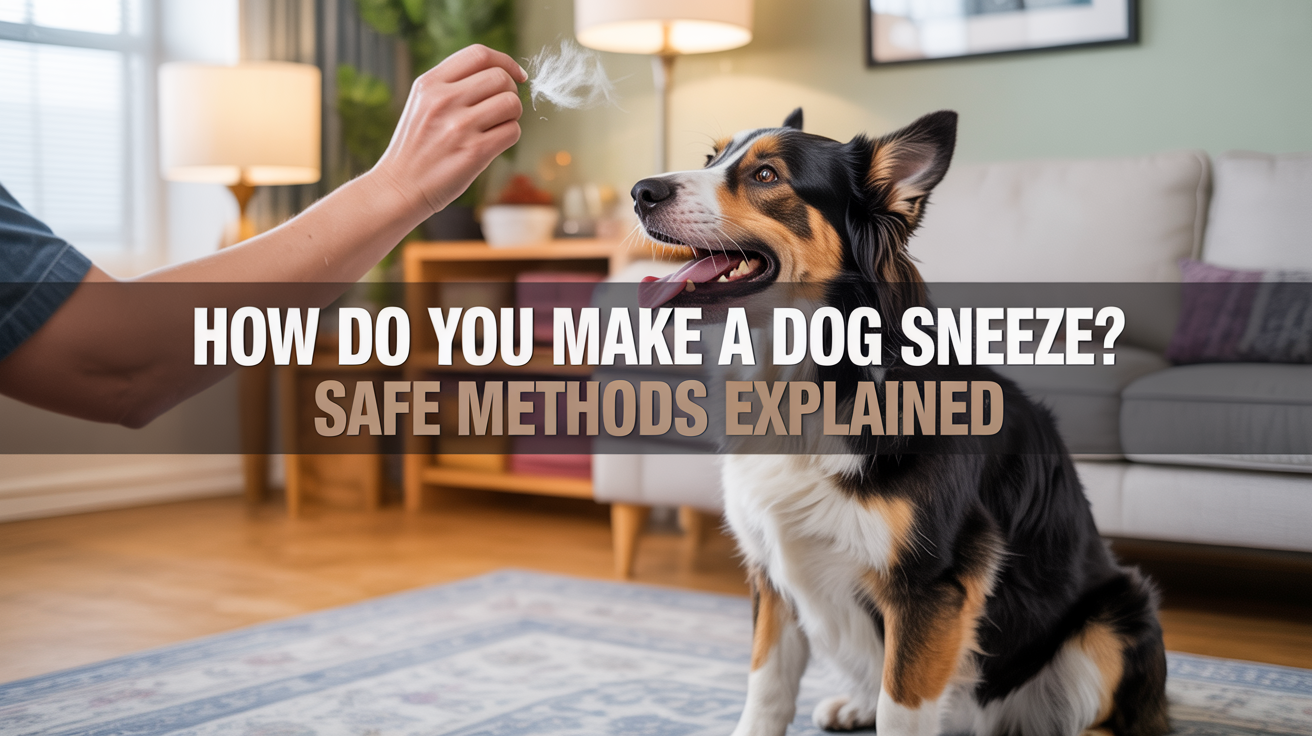
Your dog needs to sneeze, and you want to help safely. Maybe there’s something stuck in their nose. Or you’re just curious if it’s even possible. Either way, you’re in the right place.
This article walks you through safe, vet-approved methods to make your dog sneeze when necessary. You’ll learn what actually works, what to avoid, and when to call your vet instead. We cover natural triggers, gentle techniques, and important warning signs. No gimmicks or risky tricks here.
Your dog’s nose is sensitive and sensitive. One wrong move can cause real harm. That’s why we’ve researched veterinary sources and consulted with professionals to give you reliable, tested information. We’re not here to guess. We’re here to give you answers you can trust. Your dog’s safety comes first, and these methods reflect that priority.
What Is a Reverse Sneeze?

Here’s what happens during a reverse sneeze: your dog’s soft palate goes into a spasm. That’s the soft tissue at the back of their throat. Instead of pushing air out like a normal sneeze, your dog rapidly pulls air in through their nose.
The inhalation is fast and forceful. This creates a loud, dramatic sound that seems way worse than it actually is. The spasm triggers the reverse action, and the noise amplifies because air rushes inward instead of outward.
Your dog will suddenly stand very still. They extend their neck outward. Then come the sounds, repeated snorting, honking, or gasping noises. It looks like they’re struggling to breathe, but they’re actually pulling air in forcefully.
Some dogs make a sound like a goose honking. Others sound like they’re choking. Most episodes last anywhere from a few seconds to about a minute. Then it stops as suddenly as it started, and your dog acts completely normal again.
Certain dogs experience reverse sneezing more often than others. Small breeds top the list because of their compact airways. Brachycephalic breeds like pugs, bulldogs, and Boston terriers deal with it frequently due to their flat faces and shortened nasal passages.
Toy breeds also struggle with this because they have naturally narrow nasal passages. If you own any of these breeds, reverse sneezing might become a regular part of life. It’s usually harmless, just alarming to watch.
Why Dogs Reverse Sneeze

Reverse sneezing isn’t random. Something always triggers it. Let me walk you through the most common causes so you know what to watch for.
Some are harmless, Others need attention.
- Throat irritation: Your dog’s nasal passages are sensitive to everything in the air. Dust, pollen, strong perfumes, or household cleaners can trigger an episode instantly. Dry air makes it worse, especially in winter. Allergens floating around your home might be the hidden culprit you haven’t considered yet.
- Excitement overload: Watch your dog during playtime or when greeting you at the door. High-energy moments can spark reverse sneezing out of nowhere. The arousal level spikes, breathing gets rapid, and boom, reverse sneeze. It’s completely normal during these hyper moments.
- Eating speed: Does your dog inhale their food like it’s a race? Drinking water too fast causes the same problem. The quick gulping triggers their soft palate and throat. Slow feeders can help with this issue.
- Leash pressure: Every time your dog pulls hard on the leash, pressure hits their neck and throat area. That pressure can set off a reverse sneezing episode right there on your walk. A harness solves this problem better than a collar.
- Health issues: Sometimes, reverse sneezing points to something more serious. Nasal mites living in the passages, respiratory infections brewing, foreign objects stuck inside, or even dental problems in rare cases. If episodes become frequent or severe, your vet needs to check things out.
Should You Make a Dog Sneeze?
Let me be direct here. You shouldn’t try to force your dog to sneeze. I know that sounds counterintuitive, given the title of this article. But here’s what you actually need to understand.
- Never force it: Trying to make your dog sneeze on purpose carries real risks. You could cause pain, injury to their sensitive nasal passages, or even respiratory distress. Normal sneezes happen as natural reflexes that your dog’s body controls. There’s no safe way to artificially trigger that reflex without potential harm. The danger outweighs any benefit.
- What you’re really asking: Most people searching “how to make a dog sneeze” aren’t trying to force a sneeze at all. You want to help your dog during a reverse sneezing episode. You’re watching them snort and gasp, and you feel helpless. That’s the real question: how do I help my dog through this moment? The answer isn’t about making them sneeze.
- The actual solution: What you need are calming techniques to stop or shorten a reverse sneeze episode. Gentle methods that soothe your dog’s throat and help them breathe normally again. That’s what the rest of this guide covers. Safe, practical ways to help without causing harm.
Safe Ways to Help a Dog During a Reverse Sneeze
Your dog is reverse sneezing, and you want to help. Good news, you can. I’m going to show you five simple techniques that actually work. These methods are safe, gentle, and vet-approved. Let’s get into it.
1. Gently Massage the Throat

This is my go-to method. Place your hand on your dog’s throat area and use soft, downward strokes. The gentle massage helps relax their soft palate, which is spasming and causing the episode. Don’t press hard. Just use light, soothing pressure.
Most dogs respond to this within seconds. The massage interrupts the spasm cycle and helps everything calm down. Your touch also reassures them, which matters more than you might think. Keep stroking gently until the snorting stops.
2. Temporarily Cover the Nostrils

Here’s a trick that sounds weird but works. Very gently cover your dog’s nostrils with your fingers for just a second or two. This forces them to swallow, which often stops the episode immediately. The keyword here is briefly, we’re talking one to two seconds maximum.
Never hold your nose closed for longer than that. You’re not trying to restrict breathing. You’re just triggering a swallow reflex that resets everything. Release immediately and let them breathe normally. If done right, the reverse sneeze stops right there.
3. Encourage Swallowing

Getting your dog to swallow breaks the cycle. Offer them a small sip of water if they’ll take it. Some dogs respond better to a light puff of air blown gently on their face or nose. Either method can interrupt the spasm pattern.
The swallowing action resets their soft palate back to its normal position. Water works great because it’s natural, and your dog already understands drinking. The light air puff just gives them something else to focus on. Try whichever method your dog responds to best.
4. Stay Calm and Reassure Your Dog

Your energy matters more than you realize. Dogs read our emotions constantly. If you panic, they panic. If you stay calm, they stay calmer too. That reduced stress actually helps stop the episode faster.
Speak softly to your dog. Use a gentle, reassuring tone. Pet them slowly. Your calm presence tells them everything is okay, even though they’re experiencing something uncomfortable. Anxiety makes the spasms worse, so your job is to be the steady, calming force they need.
5. Help Your Dog Adjust Their Position

Sometimes a position change does the trick. Encourage your dog to stand up if they’re sitting. Help them lower their head slightly. The position shift can release tension in their throat and stop the spasm naturally.
Avoid putting any pressure on their neck during an episode. Don’t pull on their collar or push their head down forcefully. Gentle guidance works better than force. Let them find a comfortable position while you support them calmly.
How to Naturally Prevent Reverse Sneezing?
Prevention beats treatment every time. You can’t eliminate reverse sneezing, but you can reduce how often it happens.
I’m going to show you practical changes that make a real difference. Small adjustments to your dog’s environment and routine add up.
- Clean air: Keep your home free of dust, strong cleaning chemicals, and aerosol sprays that irritate your dog’s nasal passages. Switch to pet-safe cleaners without harsh fumes. If you live in a dry climate, run a humidifier to add moisture to the air. Dry air alone can trigger episodes repeatedly.
- Harness switch: Ditch the collar for walks and use a harness instead. Collars put direct pressure on your dog’s throat every time they pull. That pressure is a major reverse sneezing trigger. A harness distributes pressure across their chest, keeping the throat clear and protected.
- Calm transitions: Does your dog go from zero to a hundred when you come home? Those excitement spikes cause episodes. Help them transition slowly between rest and high activity. Practice calm greetings. Wait for them to settle before starting playtime. Managing their arousal levels prevents many episodes.
When Reverse Sneezing Is Not Normal?
Most reverse sneezing is harmless. But sometimes it signals a bigger problem. I need you to know the difference between normal episodes and warning signs that require immediate attention. Your dog’s safety depends on recognizing when something is seriously wrong.
- Red flag symptoms: Episodes lasting longer than two minutes, blue or pale gums, nasal or eye discharge (yellow, green, or bloody), decreased appetite, or lethargy between episodes all signal serious problems.
- Similar conditions: Tracheal collapse, kennel cough, foreign objects, heart disease, and asthma-like issues can mimic reverse sneezing but require immediate treatment.
- Vet contact needed: Frequent daily episodes, any signs of pain, whimpering, reluctance to move, or sudden changes in breathing behavior require immediate veterinary attention.
Conclusion
So, how do you make a dog sneeze safely? You now know the gentle methods that actually work. From natural scents to light airflow, you’ve got practical options that won’t harm your pup. You also know the warning signs that mean it’s time to skip the home remedies and call your vet.
Your dog’s comfort and safety matter most. Use these techniques only when necessary, and always stay gentle. If something feels off or your dog seems distressed, trust your gut. A quick vet visit beats taking chances with your furry friend’s health.
Found this helpful? Drop a comment below with your experience or questions. Share this guide with other dog owners who might need it. And if you’re ever unsure about your dog’s health, reaching out to a professional is always the right call.
Frequently Asked Questions
How do you make a dog sneeze naturally?
You can trigger a dog’s sneeze reflex using gentle methods like allowing them to sniff mild scents (grass, flowers), creating light airflow with a fan, or letting them look around outdoors where natural irritants exist. Never blow directly into their nose or use harsh substances. These natural triggers are safest when your dog encounters them on their own terms.
Is it safe to make my dog sneeze on purpose?
It’s generally safe if you use gentle, natural methods and your dog isn’t distressed. However, frequently forcing sneezes or using irritants can harm their nasal passages. Only attempt this if there’s a clear reason, like suspected debris in the nose. If your dog shows signs of distress or the issue persists, consult your vet instead.
What should I avoid when trying to make my dog sneeze?
Never use pepper, chemical sprays, strong perfumes, or blow air directly into your dog’s nostrils. Avoid inserting objects into their nose or forcing their head into irritating substances. These methods can cause serious injury, respiratory problems, or chemical burns. Stick to gentle, indirect triggers only.
When should I call the vet instead of making my dog sneeze?
Call your vet immediately if your dog has nosebleeds, difficulty breathing, excessive sneezing that won’t stop, nasal discharge with blood or pus, facial swelling, or signs of pain. Also seek help if you suspect a foreign object is deeply lodged. Professional removal is safer than home attempts.
Why would I need to make my dog sneeze?
You might want to trigger sneezing if you suspect minor debris, like grass or dust, is stuck in your dog’s nose and causing discomfort. A sneeze can help dislodge these particles naturally. However, if the irritation continues or seems serious, skip home methods and visit your vet for proper examination and treatment.