
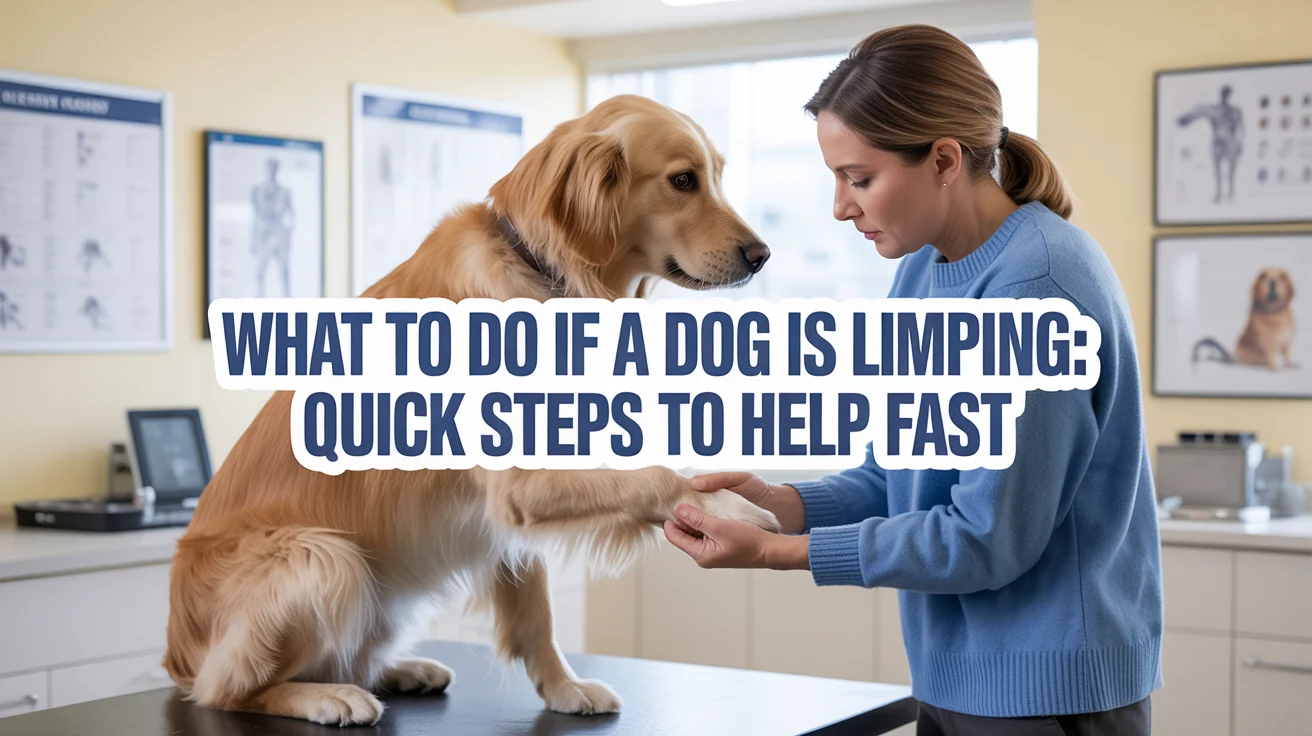
Your dog is limping, and you need answers now. Whether it happened suddenly or came on gradually, watching your dog in pain is stressful. You’re wondering if it’s serious, what caused it, and most importantly, what you should do right now.
This guide gives you immediate steps to assess and help your limping dog. You’ll learn how to check for injuries, when it’s safe to wait, and when you need a vet immediately. We cover common causes, pain signs, and first aid techniques that actually work. No guessing games here.
Here’s why this matters: limping can signal anything from a minor sprain to a medical emergency. Acting quickly and correctly makes all the difference in your dog’s recovery. We’ve researched veterinary sources and gathered practical advice you can trust. This isn’t generic information copied from other sites.
Understanding Why Dogs Limp

Let’s start with the simple stuff. A thorn stuck between paw pads makes every step painful. Small stones, debris, insect bites, or bee stings cause immediate limping. These problems are easy to spot and usually easy to fix at home.
Injuries to muscles and soft tissue happen constantly. Strains, sprains, ligament tears (especially CCL), and tendon damage all cause limping. Trauma brings more serious problems, broken bones, dislocations, cuts, or bleeding. These need immediate veterinary attention.
Chronic conditions develop over time. Osteoarthritis makes joints stiff and painful in older dogs. Lyme disease causes sudden limping. Inflammatory and vascular conditions affect mobility, too. The cause determines what you do next. A thorn requires tweezers. A broken bone requires emergency care.
What to Do Immediately If Your Dog Is Limping?
Your dog starts limping. You notice it right away. Now what? Here’s exactly what I recommend you do in those first crucial hours.
Step 1: Keep Your Dog Calm and Restrict Activity

Stop everything. No running. No jumping. No playing. Your dog might want to keep going, but movement makes things worse.
Prevent further injury by keeping your pup quiet. Use a leash for bathroom breaks, even in your own yard. This isn’t punishment. It’s protection.
Step 2: Inspect the Affected Leg and Paw

Get down on your dog’s level. Look closely at the leg that hurts. Check for bleeding or puncture wounds, swelling around joints or paws, cuts, thorns, or objects stuck between toes, and heat in the joint (feels warmer than other legs, which means inflammation).
Gently touch the area. Your dog will tell you where it hurts. Be thorough but gentle. Sometimes the problem is obvious. Sometimes it’s hidden.
Step 3: Apply Basic First Aid (If Needed)

Minor issues need simple care. Major problems need a vet. For swelling, alternate heat and ice packs, but ask your vet first about timing and method.
For small wounds, clean gently with warm water and monitor for infection. For a suspected strain, rest is your best tool.
Don’t wrap or bandage unless you know what you’re doing. Wrong wrapping causes more damage. When in doubt, skip it.
Step 4: Monitor Your Dog for 24–48 Hours

Mild limps sometimes fix themselves. Give it time. Watch your dog closely. Is the limp getting better or worse? Can they put weight on it now? Are they eating normally?
Keep notes if it helps. Home monitoring works for minor issues. But you need to stay alert.
Step 5: Know When to Call the Vet

Some limps can’t wait 48 hours. Call your vet immediately if you see severe pain (whining, won’t let you touch it, can’t stand), complete inability to bear weight, visible bone or deep wounds, dragging the leg behind them, or fever, lethargy, or loss of appetite alongside the limp.
Trust your gut. You know your dog best. If something feels seriously wrong, it probably is. Better safe than sorry.
When to Seek Immediate Veterinary Care?
Not all limps are emergencies. But some are. Here’s how to tell the difference.
- Emergency signs: A dangling limb, irregular leg angle, or uncontrolled bleeding means go now. Don’t wait even one hour.
- Severe symptoms: Moderate to severe swelling, noticeably hot limb, or your dog cries when touched, requires immediate attention. These signals indicate serious injury.
- Persistent problems: Limp lasts beyond 48 hours, gets worse instead of better, or your dog can’t bear weight at all. Stop monitoring and call your vet.
Treatment Options for a Limping Dog
Your vet diagnoses the problem. Now comes treatment. The plan depends on what’s causing the lim, and how severe it is.
Vet-Recommended Medical Treatments

Your vet has medical tools to help. Pain relievers and anti-inflammatory medications reduce discomfort and swelling. Antibiotics fight infection if bacteria are present. These are the basics.
Some injuries need more. Surgery becomes necessary for severe cases like fractures or torn ligaments. It sounds scary, but it works. Your vet will explain exactly what your dog needs.
At-Home Vet-Approved Care

You play a huge role in recovery. Rest and limited movement are non-negotiable. Your dog needs time to heal. Heat or cold therapy can reduce pain and swelling, but only use it if your vet approves the timing and method.
Wound care matters if there’s a cut or injury. Keep it clean. Watch for infection signs like redness, heat, or oozing. Follow your vet’s instructions exactly. Home care isn’t optional; it’s essential.
Rehabilitation and Supportive Therapies

Modern vets offer advanced options beyond basic treatment. Therapeutic exercises and stretching rebuild strength safely.
A hydrotherapy treadmill lets dogs exercise without putting full weight on injured legs. Cold laser therapy and shock wave therapy speed healing at the cellular level.
Other helpful options include acupuncture for pain relief, manual therapy (like physical therapy for humans), PEMF therapy, and TENS therapy for nerve and muscle healing.
Your vet might recommend nutritional counseling and weight management if extra pounds are stressing joints. Orthopedic supports like braces, splints, or boots protect healing limbs. Not every dog needs all of these. But it’s good to know what exists.
Conclusion
Now you know what to do if the dog is limping. You’ve got the assessment steps, warning signs, and first aid basics to help your pup right away. You understand when to rush to the vet and when you can safely monitor at home. That knowledge takes away the panic and helps you act with confidence.
Your dog’s limp doesn’t have to be a mystery anymore. Trust your instincts, follow the steps we covered, and don’t hesitate to call your vet when something feels off. Quick action and proper care make the difference in your dog’s recovery.
Did this guide help you? Share it with other dog owners who might need it. Drop a comment below if you have questions or want to share your experience. And remember, you’re doing a great job looking out for your furry friend.
Frequently Asked Questions
What to do if a dog is limping suddenly?
First, keep your dog calm and limit their movement. Gently examine the affected leg for visible injuries, swelling, or sensitive areas. Check paw pads for cuts, thorns, or foreign objects. If the limp is severe, your dog won’t put weight on the leg, or shows pain signs, contact your vet immediately. Mild limps can be monitored for 24 hours.
Should I take my dog to the vet for limping?
Yes, if the limp lasts more than 24 hours, worsens, or your dog shows pain, swelling, or refuses to bear weight. Immediate vet care is needed for severe limping, visible deformities, dragging limbs, bleeding, or if your dog is crying or unable to stand. Mild limps that improve with rest may not require urgent attention.
Can a dog’s limp heal on its own?
Minor limps from soft tissue strains or minor sprains can heal with rest in 24-48 hours. However, limping lasting beyond two days, worsening symptoms, or signs of pain require veterinary evaluation. Never assume a persistent limp will resolve alone, as underlying injuries like fractures or ligament tears need professional treatment to heal properly.
How can I tell if my dog’s limp is serious?
Serious limps involve complete inability to bear weight, visible swelling or deformity, extreme pain when touched, limping accompanied by lethargy or loss of appetite, bleeding, or dragging the leg. If your dog yelps, whimpers, or becomes aggressive when you touch the area, seek immediate veterinary care. Trust your instincts, serious limps look and feel different.
What can I give my dog for limping pain at home?
Never give human pain medications like ibuprofen or acetaminophen; they’re toxic to dogs. Only use vet-prescribed or vet-approved pain relief. At home, provide rest, limit activity, apply a cold compress for fresh injuries (10-15 minutes), and keep your dog comfortable. Always consult your vet before giving any medication, even over-the-counter pet products.