
Your dog paces at 2 AM. Again. You’re exhausted, frustrated, and desperate for answers. I get it. I’ve been there with my own dog, lying awake, wondering what I was doing wrong. The good news? Nighttime restlessness usually has fixable causes.
I’m not a vet, but I’ve spent years researching canine behavior and working with trainers. More importantly, I’ve solved this exact problem. What worked for my dog might work for yours. I’m sharing what I learned so you don’t waste months trying random solutions.
This article covers the hidden reasons dogs can’t settle at night, from medical issues to behavioral triggers. You’ll learn what’s normal and what needs attention. I’ll walk you through practical fixes that actually work. No fluff. Just real solutions for tired pet parents who need their sleep back.
Understanding Night-Time Restlessness in Dogs

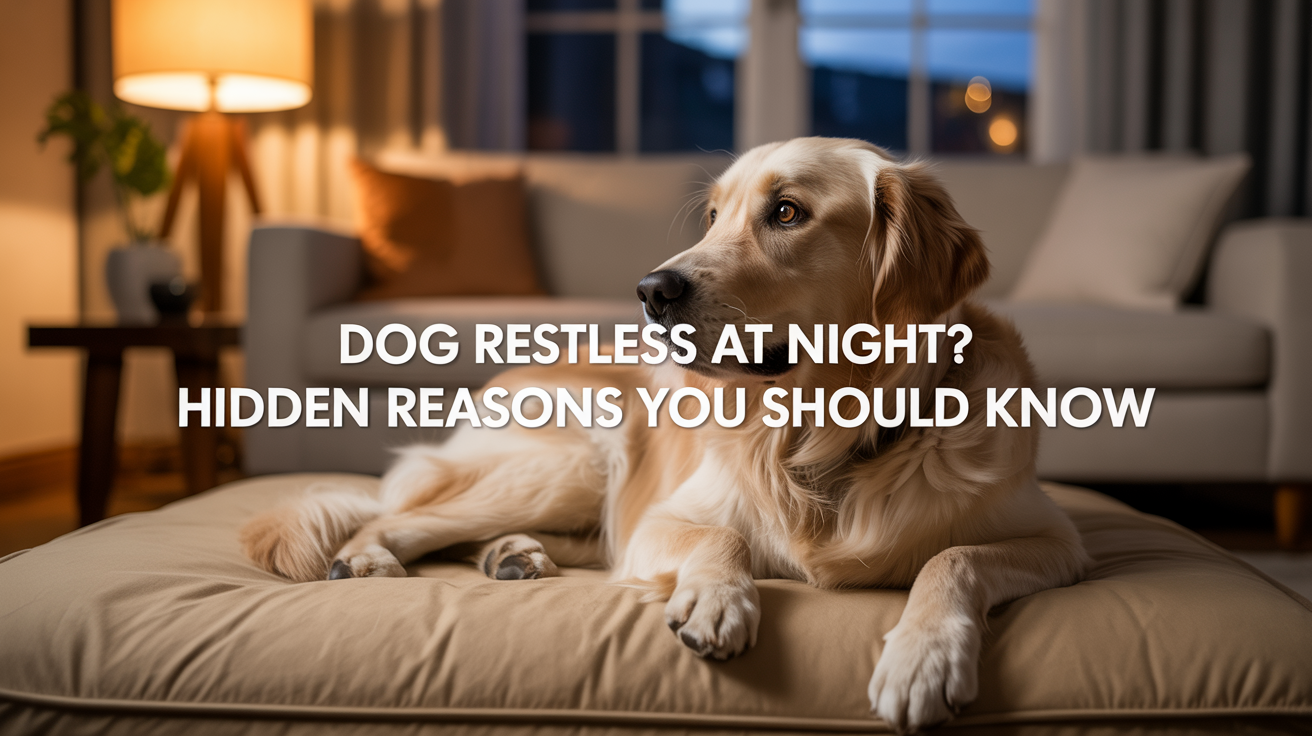
I know how exhausting it is when your dog won’t settle at night. You’re tired. Your dog is tired. But something’s keeping them awake. Restlessness isn’t just annoying; it’s a signal. Your dog might pace, circle, or wander around the house.
They might whine, bark, or scratch at doors. Some dogs change positions constantly or get the “zoomies” at bedtime. Watch for panting, drooling, or signs of distress, too.
Here’s the thing: not all restlessness looks the same. Some dogs are loud and obvious. Others? They just quietly shift every ten minutes. Your dog’s pattern matters. Pay attention to when it happens and what it looks like. This helps you spot the real problem faster.
This isn’t a bad habit. It’s your dog telling you something’s wrong. Poor sleep impacts their physical and emotional health, just like it does yours. When your dog is up, you’re up. Your whole household suffers. The behavior is a symptom, not the problem itself. Let’s figure out what’s really going on.
Common Reasons Dogs Are Restless at Night
I’ve seen countless worried pet parents struggle with this problem. Your dog paces, whines, or can’t seem to settle down when you need sleep most. Let me walk you through the main culprits behind nighttime restlessness.
Anxiety or Stress

Anxiety keeps your dog’s mind racing when it should be resting. Some dogs panic when you leave the room at bedtime. Others react to sounds you barely notice.
Your dog might be stressed by things that seem small to you. Separation anxiety hits hard when you close the bedroom door. Fireworks, thunderstorms, and outdoor noises can trigger fear. Environmental changes like a new home, pet, or visitors throw off their sense of security. Even overstimulation from play right before bed leaves them wired instead of tired.
Physical Pain or Discomfort

Pain doesn’t take a break when the lights go out. Your dog might seem fine during the day, but struggle at night. Lying down puts pressure on sore spots that moving around doesn’t.
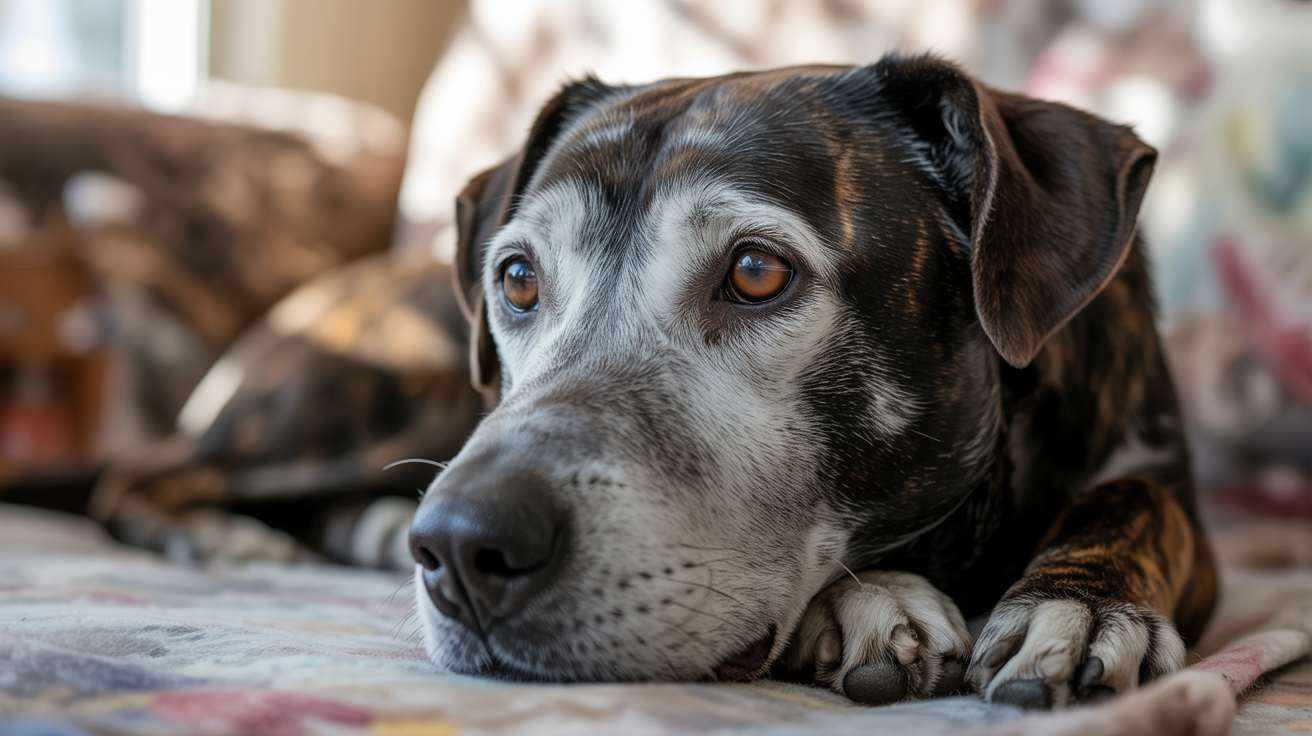
Senior dogs often have arthritis or joint pain that worsens when they’re still. Hidden injuries from rough play can cause discomfort hours later. Dental pain makes it hard to relax completely. Some dogs can’t get comfortable no matter how they position themselves; they keep shifting and moving all night long.
Adjusting to a New Environment

New surroundings feel scary in the dark. Puppies miss their littermates desperately. The smells, sounds, and layout are all unfamiliar and overwhelming.
Older dogs struggle with changes, too. Moving their bed to a different room can unsettle even confident dogs. They need time to feel safe again. Sleeping in unfamiliar spaces triggers insecurity that shows up as pacing and whining. Give your dog a week or two to adjust before worrying too much.
Temperature Issues

Your dog can’t tell you when they’re too hot or cold. They’ll pace, pant, or seek out different spots instead. Room temperature affects sleep quality more than most people realize.
Some dogs overheat under blankets or from their own body heat. Others get chilly on cold floors or in drafty rooms.
You might see your dog moving between the bed and floor repeatedly; they’re trying to regulate their temperature. Pay attention to where your dog chooses to sleep naturally.
Not Enough Exercise or Mental Stimulation

A tired dog is a sleeping dog. Pent-up energy has to go somewhere, and it often comes out at night when you’re trying to rest. Your dog isn’t being difficult; they’re just not worn out enough.
Working breeds need extra activity during the day. Border collies, shepherds, and retrievers require both physical and mental challenges. Puppies get those late-night zoomies when they haven’t burned off energy. A 10-minute walk isn’t enough for most dogs, especially younger or high-energy breeds.
Bladder or Digestive Needs

Small bladders mean more bathroom trips. Puppies can’t hold it all night yet. Neither can many small breeds, no matter their age.
Your dog might be restless because they desperately need to go outside. Excessive water before bed fills the bladder quickly. GI upset, nausea, or indigestion can wake them up repeatedly throughout the night. Some dogs eat grass or lick obsessively when their stomach hurt, adding to the restlessness.
Medical Conditions That Disrupt Sleep

Health problems don’t follow a schedule. Certain diseases cause increased thirst and urination at night. Your dog wakes up needing water or a bathroom break, sometimes multiple times.
Cushing’s disease leads to excessive drinking and urinating that interrupts sleep. Hormonal imbalances affect natural sleep cycles. Gastrointestinal issues require frequent bathroom trips that leave everyone exhausted. Respiratory problems make it hard to breathe while lying down, forcing your dog to stand or sit instead of sleeping.
Dementia (Cognitive Dysfunction Syndrome)

Senior dogs can develop dementia just like humans. Up to 60% of dogs over age 11 show signs of cognitive decline. They experience something called “sundowning”, confusion that gets worse at night.
Your dog might seem lost in familiar rooms they’ve known for years. Disorientation, wandering, and vocalizing are common symptoms. They forget routines and seem anxious or distressed. The nighttime darkness makes confusion worse, leading to pacing and restless behavior throughout the evening.
Bloat (Emergency Condition)

Severe restlessness can signal a life-threatening emergency. Bloat (gastric dilatation-volvulus) is one of them. Your dog can’t get comfortable no matter what they try; the distress is obvious and extreme.
Look for a swollen, hard abdomen along with restlessness. Pale or white gums signal shock. Retching or unproductive vomiting means they’re trying to relieve pressure but can’t. This is a true emergency. Don’t wait until morning. Get to an emergency vet immediately if you suspect bloat.
Age-Specific Restlessness
Your dog’s age changes everything about their sleep patterns. What keeps a puppy awake differs completely from what bothers a senior dog. I’ll break down what to expect at each life stage.
- Puppies experience irregular Sleep cycles and frequent wake-ups throughout the night
They get overstimulated easily and need multiple potty breaks before adjusting to your home - Adult dogs show behavioral patterns from inconsistent routines or pent-up energy. They may have learned that restlessness gets your attention, creating a nighttime habit.
- Senior dogs struggle with cognitive decline, joint pain, and more frequent bathroom needs.
Changes in the household or new pets can disrupt routines they’ve followed for years.s
How to Help Your Dog Sleep Better at Night?

You don’t have to accept sleepless nights as normal. Most restlessness has a solution once you identify the cause. I’ll show you practical steps that work for real dogs in real homes.
- Bedtime routine: Feed your dog a few hours before sleep and provide calming activities like brushing. Take a final potty break right before bed and use consistent sleep cues or commands.
- Daytime activity: Ensure your dog gets breed-appropriate exercise with multiple play sessions daily. Add puzzle toys, enrichment games, and training sessions, plus an evening walk to help them unwind.d
- Sleep environment: Use orthopedic beds for seniors, cooling beds for heat-sensitive dogs, or bolster beds for security. Try white noise or fans for sound-sensitive dogs, and add blackout curtains if light bothers them.
- Manage stimulation: Reduce late-night noise and avoid intense play close to bedtime in your home. Provide comfort objects like a favorite blanket or toy to help your dog feel secure.
- Training methods: Use crate training for puppies or anxious dogs and teach “settle” commands for calm behavior. Work with a force-free trainer for anxiety cases and reinforce quiet nighttime habits consistently.
Conclusion
If your dog is restless at night and has been keeping you both awake, remember that you’re not alone, and solutions are within reach. If it’s adjusting their evening routine, checking for health concerns, or creating a more comfortable sleep space, small changes can make a big difference.
The good news? Most nighttime restlessness has simple fixes once you identify the root cause. Pay attention to your dog’s signals, and don’t hesitate to consult your vet if the problem persists.
Sweet dreams are possible for both of you! Have you tried any of these tips? Share your experience in the comments below. Your story might help another tired pet parent find relief.
Frequently asked questions
Why is my dog restless at night suddenly?
Sudden nighttime restlessness can stem from pain, anxiety, cognitive decline in older dogs, or underlying health issues like thyroid problems. Changes in routine, discomfort from arthritis, or even hunger can trigger this behavior. If your dog is restless at night becomes a pattern, consult your vet to rule out medical causes.
How do I calm my restless dog at night?
Establish a consistent bedtime routine with evening walks, create a comfortable sleeping area, and ensure your dog gets adequate daytime exercise. Consider calming aids like white noise, anxiety wraps, or veterinarian-approved supplements. Address any pain or discomfort promptly to help your dog settle peacefully.
Is a dog restless at night a sign of illness?
Yes, it can be. Nighttime restlessness may indicate pain from arthritis, digestive issues, urinary tract infections, or cognitive dysfunction in senior dogs. Hormonal imbalances and neurological conditions can also disrupt sleep. Persistent restlessness warrants a veterinary examination to identify underlying health problems.
Can anxiety cause my dog to be restless at night?
Absolutely. Separation anxiety, noise phobias, changes in household dynamics, or past trauma can make dogs anxious after dark. Some dogs experience heightened alertness at night, making them hyper-responsive to sounds. Behavioral training, consistency, and calming techniques can help manage anxiety-related restlessness effectively.
At what age do dogs become restless at night?
Dogs can experience nighttime restlessness at any age, but it’s particularly common in puppies (due to adjustment) and senior dogs (from cognitive decline or arthritis). Middle-aged dogs may develop restlessness from lifestyle changes or emerging health conditions. Age-specific causes require different management approaches.