
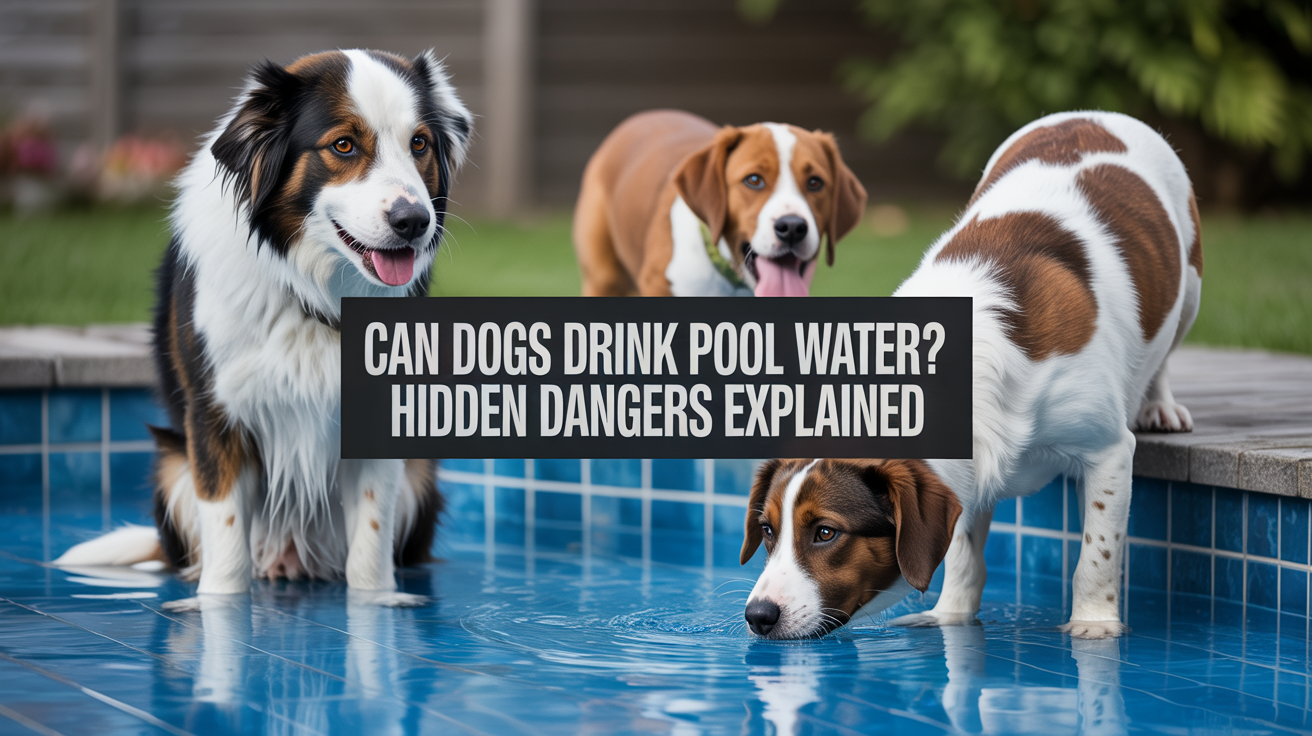
You spot your dog lapping up pool water on a hot summer day. Is it safe? Most pet owners wonder the same thing, and the answer isn’t as simple as yes or no.
This blog explains what happens when dogs drink pool water, the chemicals that could harm them, and the warning signs you need to watch for. You’ll learn exactly when pool water becomes dangerous and how much is too much. I’ve researched veterinary sources and talked to dog owners.
Your dog’s safety matters. You deserve straight answers without the confusing medical jargon. If your pup took a few laps or drank a lot, you’ll know what to do next. We’ll cover chlorine levels, saltwater pools, and the hidden dangers most people miss. By the end, you’ll have a clear plan to keep your dog healthy around pools.
Can Dogs Drink Pool Water?
You turn around and catch your dog lapping up pool water. Should you panic? Let me give you the real answer, not the dramatic one.
Quick Answer

Small accidental gulps of properly treated pool water are generally safe for most dogs. They usually don’t cause serious harm. But drinking large amounts can lead to irritation and gastrointestinal upset.
Here’s my rule: drinking from pools should never be encouraged and should always be monitored. A few licks won’t hurt, but don’t let it become a habit.
Why Dogs Might Drink Pool Water?

Your dog gets thirsty while playing or exercising in the water. Makes sense, right? Excitement or habit during swimming sessions can also trigger drinking. Sometimes it’s simple, a lack of access to fresh drinking water nearby.
Dogs don’t know that pool water isn’t meant for drinking. They just know they’re thirsty and there’s water right in front of them.
What Makes Pool Water Unsafe for Dogs?
Pool water isn’t like the water in your dog’s bowl. It contains chemicals that keep the pool clean, but can make your dog sick if they drink too much.
Chlorine and Chemical Exposure

Pools use chlorine (sodium hypochlorite) to disinfect water. Low diluted levels are typically safe for swimming, but too much chlorinated water causes problems. Your dog might experience stomach irritation, vomiting, or even esophagus erosion in severe cases.
The real danger comes from concentrated chlorine products and chlorine tablets. If your dog ingests these directly, they can cause corrosive damage. Store pool chemicals where your dog can’t reach them. Even a curious sniff around the pool shed could turn dangerous if containers aren’t sealed properly.
Pool Water With Imbalanced Chemicals

Not all pools are maintained equally. Incorrect chlorine or pH levels increase the risks of irritation and bacterial exposure. Your neighbor’s pool might look clean, but it has dangerous chemical imbalances you can’t see.
Pools that require shock treatments should be avoided entirely until chemicals stabilize. That usually takes 24–48 hours. I know your dog loves to swim, but it’s not worth the risk. Wait until the pool is safe again before letting them jump in.
Symptoms to Watch For if a Dog Drinks Too Much Pool Water
Your dog just drank a bunch of pool water. Now what? I want you to know the warning signs so you can act fast if things go wrong.
Common Reactions

Most dogs who drink too much pool water show mild to moderate symptoms. These aren’t fun, but they’re usually manageable at home with close monitoring.
- Vomiting and diarrhea
- Drooling
- Lethargy
- Loss of coordination, staggering, restlessness
- Bloating and pale gums
If you see any of these symptoms, stop pool access immediately. Offer fresh water and keep your dog calm. Most cases resolve within a few hours. But if symptoms get worse or don’t improve within 2–3 hours, call your vet. Better safe than sorry.
Severe Reactions That Require Immediate Vet Care

Some symptoms mean get to the vet now. Don’t wait. Don’t call first. Just go. These reactions can be life-threatening.
- Bloody vomiting or diarrhea
- Difficulty breathing or coughing
- Seizures or neurological symptoms (possible water intoxication or salt poisoning)
These symptoms signal serious problems like chemical poisoning or water intoxication. Time matters here. Grab your keys and head to the nearest emergency vet clinic. Call them on the way so they’re ready when you arrive. Your dog needs professional treatment immediately, no home remedies will fix this.
How to Prevent Dogs from Drinking Pool Water?
Prevention is easier than treatment. A few simple changes can keep your dog safe and stop the pool-drinking habit before it starts.
- Fresh Water Nearby: Place a water bowl next to the pool where your dog can easily see and reach it. Dogs drink from pools because they’re thirsty; give them a better option.
- Swimming Breaks: Take regular breaks during pool time to prevent exhaustion and excessive water intake. Let your dog rest, drink fresh water, and catch their breath every 10–15 minutes.
- Obedience and Redirection: Use commands or toys to break the drinking habit when you catch your dog lapping up pool water. Redirect their attention immediately to something more rewarding than chemical-filled water.
- Constant Supervision: Never leave dogs alone around pools, not even for a minute. Unsupervised dogs can drink dangerous amounts of water or even drown. Stay present and alert during every swimming session.
- Store Pool Products: Keep concentrated chlorine, tablets, and pool chemicals safely locked away out of reach. Even pool toys that absorb chemicals should be stored where curious dogs can’t chew on them.
Conclusion
Now you know the truth about dogs drinking pool water. Small amounts usually won’t hurt your dog, but the chemicals can cause stomach issues and worse problems if they drink too much. Watch for vomiting, diarrhea, or unusual behavior.
The fix is simple. Keep fresh water nearby when your dog’s around the pool. Rinse them off after swimming. And if they’re gulping pool water instead of sipping, it’s time to step in.
You’ve got this. You know what’s safe and what’s not. Your dog can still enjoy pool time without the risks. Have questions about your specific situation? Drop a comment below. And if this helped you, share it with other dog owners who need these answers too.
Frequently asked questions
Can dogs drink pool water safely?
Small amounts of pool water won’t seriously harm most dogs. However, chlorine and other chemicals can irritate their stomach and cause vomiting or diarrhea. It’s not toxic in small sips, but you shouldn’t let your dog drink it regularly or in large amounts.
What happens if my dog drinks too much pool water?
Drinking too much pool water can cause stomach upset, vomiting, diarrhea, excessive drooling, and lethargy. In severe cases, high chlorine levels may lead to chemical burns in the mouth and throat. Contact your vet if symptoms persist or worsen.
Is saltwater pool water safer for dogs than chlorine pools?
No, saltwater pools aren’t safer. While they have less chlorine, the salt content can cause serious problems. Too much salt leads to dehydration, vomiting, diarrhea, and potentially life-threatening salt poisoning if your dog drinks a lot.
How much pool water is dangerous for dogs?
It depends on your dog’s size and the pool’s chemical levels. A few laps typically won’t cause harm, but repeatedly drinking or gulping large amounts becomes risky. Watch your dog closely and provide fresh water to discourage pool drinking.
What should I do if my dog drinks pool water?
Offer fresh water immediately to dilute the chemicals and keep them hydrated. Monitor for symptoms like vomiting or lethargy for 24 hours. If symptoms appear or your dog has drunk a large amount, call your veterinarian right away.