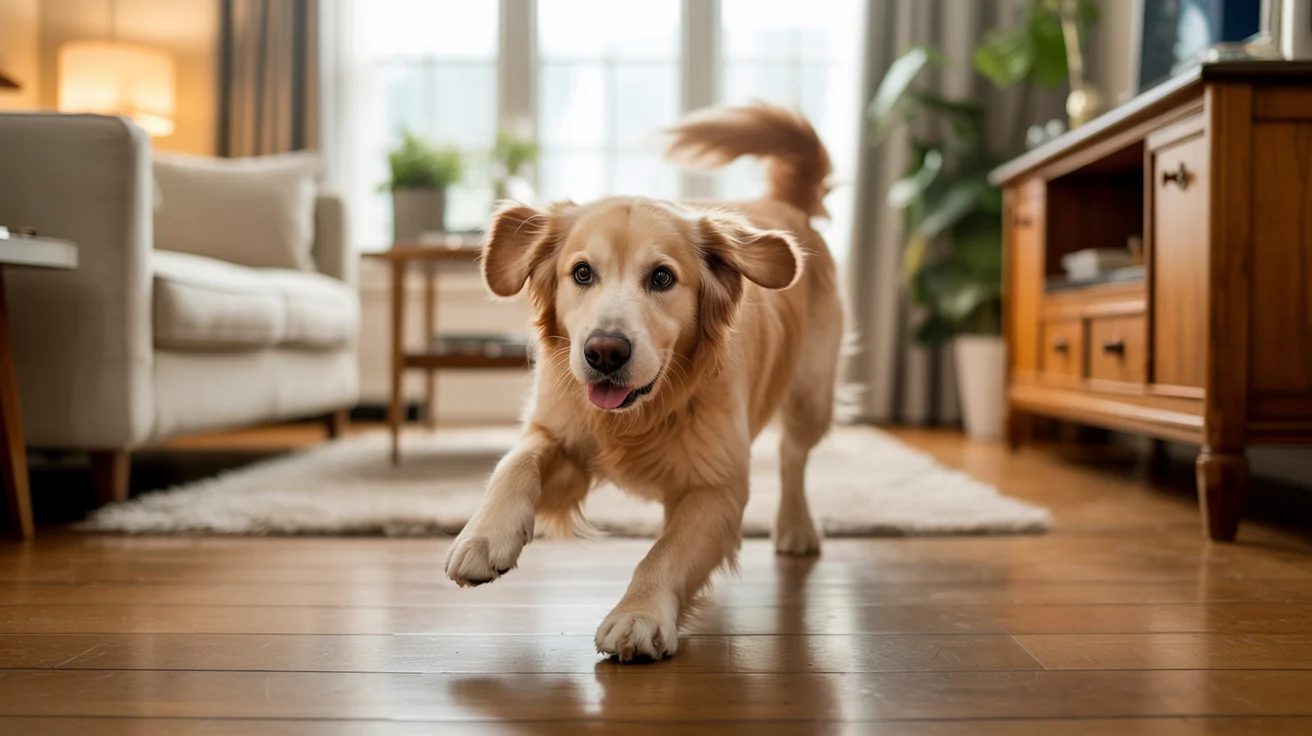


Are you looking for a loyal and intelligent dog that fits perfectly into your home? The Netherlands has a long history of breeding wonderful dogs.
Small Dutch dog breeds make great family pets because they are easy to train, loving, and can live comfortably in apartments or houses.
These dogs originate from a country renowned for its meticulous breeding programs. Dutch breeders created dogs that could work, hunt, and keep families company. Today, these breeds still have those same great qualities.
In this guide, you’ll learn about nine amazing small Dutch dog breeds. We’ll cover their personalities, care needs, and which one might be right for your family. Let’s find your perfect furry friend.
What Are Small Dutch Dog Breeds?

The Netherlands has been breeding dogs for hundreds of years. Farmers, hunters, and families needed dogs that could do specific jobs. They created breeds that were smart, hardworking, and loyal. Over time, these dogs became the breeds we know today.
Small Dutch dog breeds usually weigh between 12 and 44 pounds. They are known for being intelligent and easy to train. Most of them love spending time with their families and get along well with children. These dogs were originally bred for different purposes, like hunting, herding sheep, or being companions.
What makes these dogs special for modern families? They adapt well to different living situations. Many can live happily in apartments if they get enough exercise. They are also known for forming strong bonds with their owners. Their size makes them easier to handle than large dogs, but they still have big personalities.
Small Dutch Dog Breeds You Should Know
The Netherlands offers a great variety of dog breeds for every type of owner. Each breed has its own special traits and history.
Dutch Smoushond

The Dutch Smoushond weighs about 20 to 22 pounds and has a shaggy, wiry coat. This breed has a friendly face and a sturdy build. They come in yellow or straw colored coats that give them a charming look.
These dogs are calm and gentle, making them perfect for families who want a quiet companion. They don’t bark much and are patient with children. Dutch Smoushonds need regular brushing to keep their coats from getting tangled. They enjoy daily walks but aren’t overly energetic.
Keeshond

The Keeshond weighs between 35 and 45 pounds and has a thick, fluffy coat. Their fur is gray and black with cream markings. They have a fox-like face and a tail that curls over their back.
These dogs are loving, smart, and playful. They used to live on canal boats in the Netherlands, keeping watch and providing company. Keeshonds love being around people and don’t like being left alone for long periods. Their thick coat needs brushing several times a week to prevent mats.
Kooikerhondje

The Kooikerhondje is a small spaniel that weighs 20 to 24 pounds. They have white and red orange coats with black ear tips. Their medium-length fur is wavy and beautiful.
This breed has two sides to its personality. Outside, they are lively and love to play. Inside, they are calm and relaxed. Originally, they helped hunters by luring ducks into traps. Today, they make great pets for people living in small spaces because they can get their energy out during walks and playtime.
Markiesje

The Markiesje is the smallest breed on this list, weighing only 12 to 14 pounds. They have silky black coats and a slim build. Their small size makes them easy to carry and handle.
These dogs are bright and active despite their tiny size. They love playing games and learning new tricks. You can see Markiesjes in old Dutch paintings, showing how long they’ve been beloved companions. They need regular exercise, but can get much of it through indoor play.
Schapendoes

The Schapendoes weighs 26 to 44 pounds and has a long, shaggy coat. Their fur can be many colors, including gray, black, brown, or white. The hair often covers their eyes, giving them a sweet, fluffy appearance.
This breed was used for herding sheep in the Netherlands. They are energetic and quick on their feet. Schapendoes need active families who can give them plenty of exercise. Their long coat requires daily brushing to stay clean and tangle-free.
Stabyhoun

The Stabyhoun weighs 40 to 55 pounds, making it one of the larger small Dutch dog breeds. They have black and white or brown and white coats. Their fur is sleek and medium length.
These dogs are gentle and patient, especially with children. They can hunt, retrieve, and guard, making them very versatile. Stabyhouns are rare, even in the Netherlands. They need moderate exercise, like daily walks and some playtime.
Dutch Shepherd (Small Type)

The smaller Dutch Shepherd weighs 40 to 50 pounds. They come in different coat types, including short, long, or wire-haired. Their brindle pattern makes them stand out.
Dutch Shepherds are extremely smart and easy to train. They were working dogs on farms, helping with herding and guarding. These dogs need active families who can give them jobs to do. They are loyal and protective of their families.
Drentsche Patrijshond

The Drentsche Patrijshond is a spaniel-type dog weighing 40 to 55 pounds. They have white coats with brown or orange patches. Their fur is medium length and slightly wavy.
This breed is calm and loving with a gentle nature. They were bred to help hunters find game birds. Today, they make excellent family dogs because they are patient and friendly. They get along well with children and other pets.
Wetterhoun

The Wetterhoun weighs 33 to 44 pounds and has a unique curly coat. Their fur is black, brown, or a mix of both colors. The tight curls help protect them from water.
These dogs were bred to hunt otters and other water animals. They are independent thinkers but still loyal to their families. Wetterhouns can be protective and need early training. Their curly coat doesn’t need as much grooming as other long-haired breeds.
Training and Care Tips for Small Dutch Dog Breeds
Taking care of your Dutch dog doesn’t have to be hard. With the right approach, you can keep your pet healthy and happy.
- Start teaching your puppy between 8 and 12 weeks old
- Use treats and praise to reward good behavior
- Teach basic commands like sit, stay, and come
- Keep training sessions short and fun
- Be patient and consistent with the rules
- Walk your dog for 20 to 30 minutes each day
- Play fetch or tug of war indoors
- Give your dog puzzle toys for mental exercise
- Adjust activity based on your dog’s energy level
- Swimming is great for water-loving breeds
- Brush long-coated breeds daily to prevent tangles
- Trim nails every 3 to 4 weeks
- Clean ears weekly to prevent infections
- Bathe your dog when they get dirty
- Check for ticks after outdoor activities
- Choose high-quality food made for small breeds
- Feed 2 to 3 small meals per day
- Measure portions to prevent weight gain
- Avoid giving chocolate, grapes, and onions
- Always provide fresh water
- Introduce your puppy to new people early
- Let them meet friendly dogs in safe places
- Take them to different locations
- Help them feel confident in new situations
- Reward calm behavior around strangers
Regular vet checkups are important for catching health problems early. Make sure your dog gets all their shots and preventive care.
Conclusion
Small Dutch dog breeds offer so much to the right families. They are smart, loyal, and can fit into many different homes. From the tiny Markiesje to the versatile Stabyhoun, there’s a Dutch breed for almost everyone.
Getting a dog is a big commitment that lasts 12 to 15 years. Take time to research which breed matches your lifestyle. Think about your activity level, home size, and how much time you can spend with your pet.
The right dog will bring joy, laughter, and love to your home. These historic breeds have been making people happy for centuries. With proper care and training, your small Dutch dog will become a cherished member of your family for many years to come.
Frequently Asked Questions
Are Small Dutch Dog Breeds Hypoallergenic?
Most small Dutch dog breeds are not hypoallergenic. Breeds like the Keeshond and Schapendoes shed regularly. The Dutch Smoushond sheds less but still produces dander. People with allergies should spend time with a breed before committing.
How Much Do Small Dutch Dog Breeds Cost?
Puppies from breeders typically cost $1,000 to $2,500. Adoption fees range from $200 to $500. Annual costs for food, vet care, and supplies run about $1,000 to $1,500. Rare breeds like the Stabyhoun may cost more.
Can Small Dutch Breeds Live in Hot Climates?
Most small Dutch dog breeds can adapt to warmer weather with proper care. Heavy-coated breeds like Keeshonds need air conditioning and shade. Always provide water and avoid walking during the hottest parts of the day.
Do Small Dutch Dog Breeds Bark Excessively?
Barking varies by breed. The Dutch Smoushond is very quiet. Keeshonds tend to bark more as watchdogs. Training and socialization help reduce unwanted barking. Most Dutch breeds bark less than many terrier types.
Which Small Dutch Breed Is Best for First-Time Dog Owners?
The Kooikerhondje and Dutch Smoushond are excellent choices for beginners. They are calm, easy to train, and adapt well to different homes. Both breeds are forgiving of minor training mistakes and bond strongly with their families.