
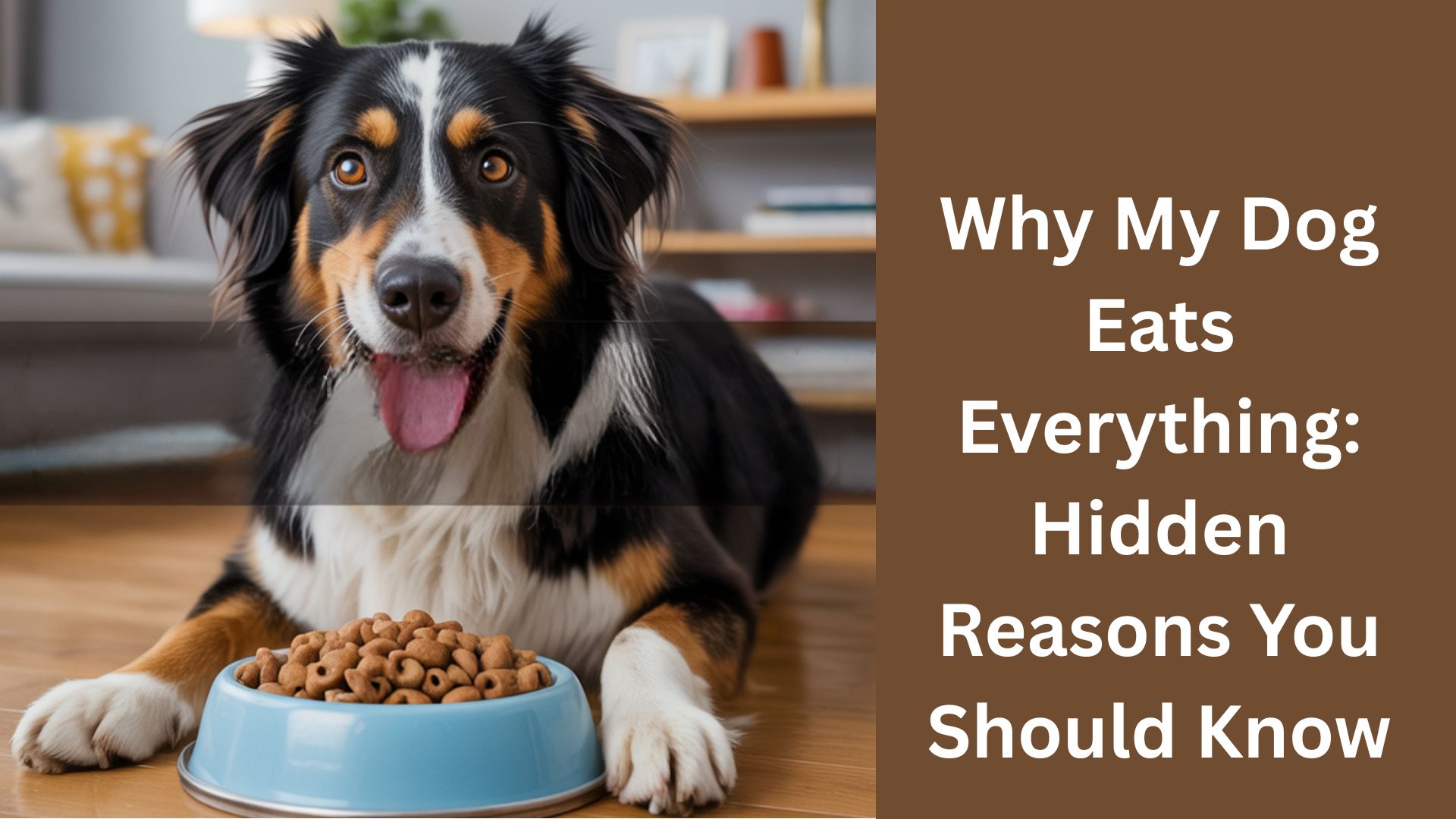
Your dog isn’t being bad when they eat everything in sight. There’s actually a reason behind it, and I’m going to help you figure out what’s going on. Maybe it’s socks today and plants tomorrow. You’re probably worried, frustrated, or just plain confused about why this keeps happening.
I’ve spent years working with dogs who eat things they shouldn’t. I’ve seen it all, from the weird stuff to the downright dangerous. The good news? Once you understand what’s driving this behavior, you can actually fix it. This article breaks down the hidden reasons your dog won’t stop eating random things.
You came here looking for real answers, not lectures. I get it. You want your dog safe and your sanity back. Let’s break down why this happens and how to stop it before your next trip to the vet.
Medical Reasons Why My Dog Eats Everything?

Sometimes the problem isn’t behavioral, it’s medical. Your dog isn’t being difficult or stubborn. Their body might actually be telling them to eat things they shouldn’t.
I’ve worked with countless dogs whose eating problems disappeared once we addressed the underlying health issue. If your dog seems obsessed with eating non-food items, don’t assume it’s just a bad habit.
- Pica condition: Your dog compulsively eats things that aren’t food, rocks, dirt, fabric, plastic, sticks, or sand. It’s a real medical condition often linked to mineral deficiencies. The risks are serious: poisoning, intestinal blockages, and emergency surgeries.
- Parasites like worms: These steal nutrients directly from your dog’s intestines, leaving them constantly hungry and depleted, no matter how much they eat. Worms are common and treatable, but they’ll drive your dog to scavenge obsessively.
- Diabetes and thyroid: These mess with metabolism and glucose regulation, creating hunger that never stops, even right after meals. Cushing’s Disease causes hormonal imbalances that trigger excessive appetite. Malabsorption syndromes prevent proper nutrient absorption. Even medications like steroids can turn a normal eater into a scavenger overnight.
Hidden Reasons Why My Dog Eats Everything?

Your dog’s eating problem might be all in their head, or rather, their emotions. Sometimes there’s nothing physically wrong.
The issue is behavioral, driven by feelings, boredom, or habits you accidentally created. I’ve seen perfectly healthy dogs eat everything simply because they’re lonely, stressed, or looking for something to do.
- Boredom and loneliness: Your dog has nothing to do all day, so they create their own entertainment by eating whatever they find. Lack of mental stimulation turns your shoe into a toy.
- Attention-seeking behavior: You rush over every time they grab something forbidden. Even negative attention is still attention. You’ve accidentally taught them that eating random things gets your focus.
- Separation anxiety: Stress from being alone causes destructive chewing and eating. Your dog isn’t being spiteful, they’re genuinely anxious and coping the only way they know how.
- Puppy habits: Old behaviors from teething and exploring never got corrected. What was cute at 3 months became a lifelong problem because nobody stopped it early.
- Scavenging instincts: Dogs evolved as scavengers who ate whatever they found to survive. Some breeds like retrievers and Labradors have stronger foraging drives, making them natural vacuum cleaners who can’t resist picking things up.
What Your Dog Might Be Eating & Specific Causes?
Different items mean different problems. Your dog isn’t randomly eating things. There’s usually a pattern.
Once you figure out what they’re targeting, you can understand why they’re doing it. Let me break down the most common things dogs eat and what’s actually driving the behavior.
Grass

A little grass munching is totally normal. Most dogs eat grass occasionally, and it’s usually harmless. They might need extra fiber, feel bored during walks, or have minor stomach discomfort they’re trying to soothe.
But here’s the catch. Excessive grass eating is different. If your dog frantically grazes like a cow every single day or immediately vomits afterward, something’s wrong. Chronic grass eating can signal digestive issues, nausea, or intestinal parasites that need veterinary attention.
Dirt

Puppies love dirt because they explore everything with their mouths. It’s part of normal development.
The smell, texture, and taste are all new and interesting to them. Environmental cues, like other animals’ scent, make dirt even more appealing.
Adult dogs eating dirt regularly is concerning. They might be seeking minerals their diet lacks, or they’re bored and anxious. Too much dirt causes serious problems, it clumps in the digestive tract and creates blockages that require surgery. Don’t ignore this behavior.
Rocks

Dogs chew rocks for surprisingly different reasons depending on their age. Teething puppies grab rocks to relieve sore gums. Anxious adult dogs might obsessively mouth rocks as a coping mechanism for stress or boredom.
Rocks are extremely dangerous, no matter why your dog eats them. They break teeth, crack enamel, and cause choking. Swallowed rocks tear through the gastrointestinal tract or create blockages.
I’ve seen dogs need emergency surgery because a rock got lodged. Remove rocks from your yard if this is your dog’s habit.
Dead Animals

That rotting smell you find disgusting? Your dog finds it irresistible. Strong odors trigger their hunting and scavenging instincts instantly.
Breeds with high retrieving drives are especially drawn to dead animals. It’s hardwired into their genetics.
Never let your dog eat dead animals. The risks are massive, bacterial toxins, diseases like leptospirosis, parasites, and even poisoning if the animal dies from rat poison.
If your dog grabs something dead, remove it from their mouth immediately, rinse their mouth with water, and call your vet if they swallowed any.
Poop (Coprophagia)

Yes, poop eating is disgusting, but it’s surprisingly common. Behavioral factors include boredom, anxiety, or attention-seeking.
Some breeds are genetically predisposed to this. Psychological issues like stress also play a role. Sometimes it’s purely about nutrient deficiency. Their body needs something their food isn’t providing.
Not all poop eating is equally dangerous, but none of it is safe. Eating their own poop is less risky than eating other animals’ waste. However, all feces carry parasites, viruses like parvovirus, and potential toxins.
Dogs with malabsorption issues or pancreatic problems often eat poop because undigested nutrients remain in the stool. Address this immediately. It’s gross and genuinely harmful.
Dangers of Eating Everything

This behavior isn’t just annoying, it’s genuinely dangerous. I’ve seen too many emergency vet visits that could’ve been prevented.
Your dog doesn’t understand what’s safe and what’s deadly. They just eat first and deal with consequences later.
- Poisoning or toxicity: Your dog can ingest harmful plants like lilies or azaleas, chemicals like antifreeze or rat poison, or everyday items like chocolate and xylitol gum. These don’t just make them sick. They can kill. Symptoms appear fast: drooling, seizures, collapse, or sudden weakness.
- Choking and blockages: Socks, toys, rocks, and corn cobs are common culprits that get stuck in throats or intestines. Watch for non-stop vomiting, inability to poop, lethargy, or a swollen belly. These are emergencies requiring immediate surgery, or your dog could die within hours.
- Digestive destruction: Even “harmless” items cause gas buildup, violent vomiting, and bloody diarrhea. Sharp objects like sticks or bones can tear through the stomach lining or puncture the intestines. Internal damage doesn’t always show up right away, but the pain is real, and the repairs are expensive.
How to Stop My Dog From Eating Everything

You can fix this behavior, but it takes consistency and the right approach. I’m not going to promise overnight miracles.
Real change happens when you combine training, management, and addressing the root cause. The good news? Most dogs respond well once you put in the effort and stay patient through the process.
- Leave it command: Stops your dog before they grab something dangerous. Practice daily with safe objects first, then gradually use real temptations.
- Drop it command: Makes them release what’s already in their mouth. Reward immediately when they obey to reinforce the behavior.
- Inside your home: Keep shoes, socks, toys, and chemicals completely out of reach using closed cabinets and high shelves.
- During walks: Watch the ground constantly and steer away from trash, food wrappers, and dead animals before they notice.
- Increase exercise: Running, playing fetch, swimming. A truly exhausted dog has no energy left for destructive eating habits.
- Mental stimulation: Puzzle feeders, snuffle mats, and treat-dispensing balls engage their brains and satisfy natural foraging instincts.
- Safe chew toys: Durable rubber toys, frozen Kongs, and dental chews designed for heavy chewers give legal destruction outlets.
- Vet visit needed: Obsessive daily eating of non-food items, signs of illness, sudden adult-onset behavior, or targeting dangerous objects like rocks.
- Behaviorist consultation: Certified trainers help with anxiety-driven eating, compulsive behaviors, or when basic training fails.
Conclusion
Now you know why your dog eats everything. It’s not random, and it’s definitely not about being stubborn. Whether it’s boredom, nutritional gaps, anxiety, or just plain curiosity, there’s always a reason behind the behavior.
You’ve got the tools to fix this now. Start with the basics. Better diet, more exercise, and mental stimulation. Watch for patterns. If things don’t improve or seem serious, talk to your vet. You’re not alone in dealing with this, and it’s totally fixable.
Got questions or stories about your own dog’s eating experiences? Drop a comment below. I’d love to hear what’s worked for you. And if this helped, share it with another dog owner who’s probably vacuuming up shredded tissues right now. They’ll thank you.
Frequently asked questions
Why does my dog eat everything off the ground?
Dogs eat things off the ground due to natural scavenging instincts, boredom, or nutritional deficiencies. Puppies explore with their mouths, while adult dogs may do it from anxiety or lack of mental stimulation. Some breeds are more prone to this behavior than others.
Is it normal for dogs to eat non-food items?
Occasional mouthing is normal, especially in puppies. However, regularly eating non-food items (called pica) isn’t normal and can signal health issues, nutritional gaps, or behavioral problems. If your dog consistently eats inappropriate objects, consult your vet to rule out medical causes.
How do I stop my dog from eating everything?
Increase daily exercise and mental enrichment through puzzle toys and training. Supervise closely and redirect to appropriate chew toys. Remove tempting items from reach. Address any anxiety or boredom. If behavior persists, work with a trainer or veterinarian for underlying issues.
What deficiency causes dogs to eat everything?
Nutritional deficiencies in iron, minerals, or vitamins can cause pica. Low-quality dog food may lack essential nutrients, prompting dogs to seek them elsewhere. Digestive issues preventing proper nutrient absorption also contribute. A vet can run bloodwork to identify specific deficiencies.
When should I worry about my dog eating everything?
Worry if your dog eats dangerous items like rocks, metal, or toxic substances. Seek immediate help if you notice vomiting, lethargy, loss of appetite, or abdominal pain. Sudden changes in eating behavior or obsessive consumption also warrant a veterinary visit.