
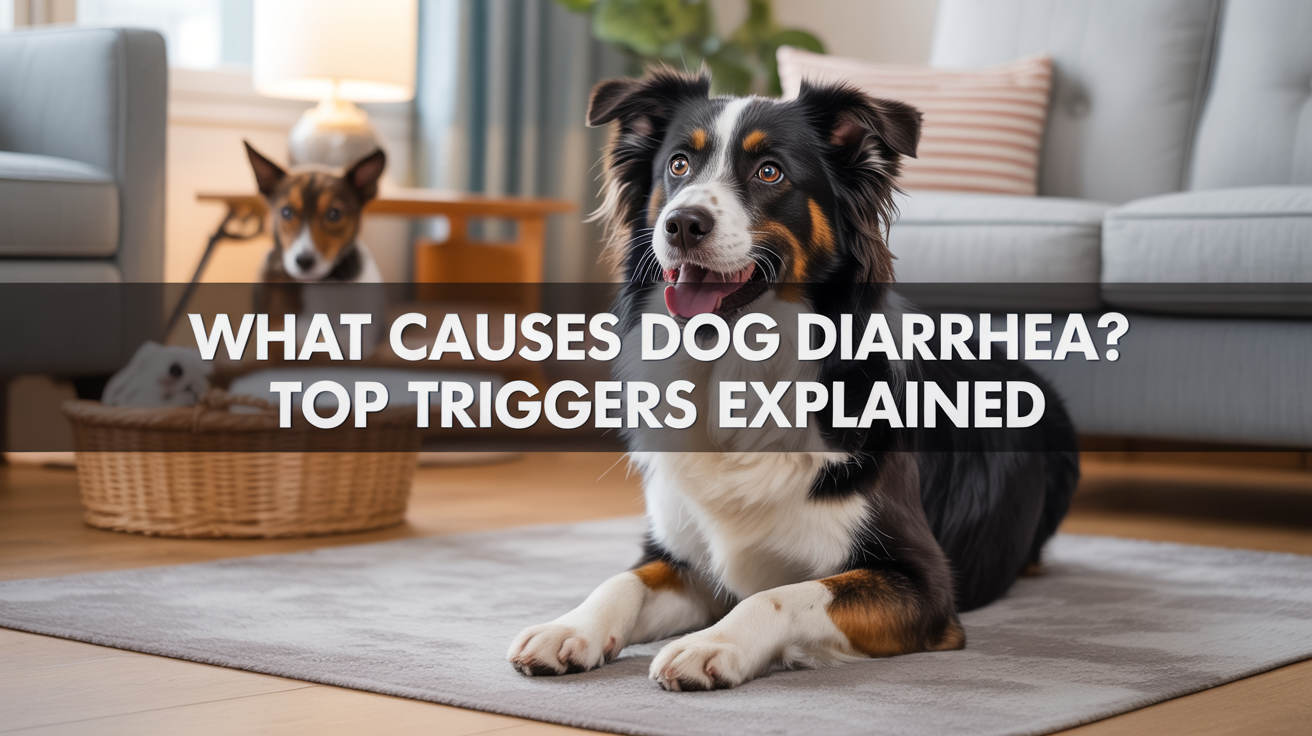
Your dog has diarrhea again. Dog diarrhea is common, and understanding the cause helps you respond quickly and appropriately.
This article breaks down the top triggers that cause dog diarrhea, from dietary indiscretion to parasites and stress. You’ll learn what’s normal, what’s serious, and when to call your vet. This guide explains the most common and serious causes based on veterinary information.
You need clarity fast. Is it the new food? Something they ate outside? An infection? Here are the main causes of dog diarrhea.
You’ll see each major cause clearly explained so you can identify the issue. What’s happening, and get your dog feeling better? This overview helps you identify the likely cause and take the right next steps.
Understanding Dog Diarrhea

Diarrhea means your dog has loose, watery, or unusually frequent stools. It’s not a disease, it’s a symptom pointing to something else. That “something” could be minor, like eating garbage, or serious, like an infection. Most cases? Dietary indiscretion. Your dog ate something they shouldn’t have.
Acute diarrhea hits suddenly and clears up within 48 hours, usually from stress or bad food choices. Chronic diarrhea lasts three weeks or longer and signals an underlying disease.
Location matters too because large-bowel diarrhea means frequent small stools with straining and mucus, while small-bowel diarrhea produces large volumes of greasy stool and possible weight loss.
Vets also classify diarrhea by what’s happening inside your dog’s gut: osmotic (unabsorbed nutrients pull in water), secretory (intestines release too much fluid), exudative (inflammation leaks blood or mucus), and rapid transit (food moves too fast). Your veterinarian can determine the underlying cause based on symptoms and tests
What Causes Dog Diarrhea? (Most Common to Serious)
Here are the most common causes of dog diarrhea. I’m starting with the most common triggers and moving toward the serious medical conditions. Understanding the difference helps you know when to wait it out and when to rush to the vet.
1. Dietary Causes

This is the number one reason dogs get diarrhea. Your dog’s stomach isn’t designed for human food, trash, or sudden diet switches. Garbage eating or spoiled food commonly causes short-term diarrhea.
- Dietary indiscretion: Eating trash, table scraps, spoiled food, or anything they shouldn’t
- Sudden food changes: Switching brands too quickly without a gradual transition
- High-fat meals: Rich foods trigger osmotic diarrhea
- Food allergies: Sensitivities causing both skin issues and digestive upset
The fix is usually simple: a bland diet and time. But prevention beats treatment. Keep your trash secured and transition foods slowly over 7-10 days.
2. Stress or Anxiety

Stress can significantly affect the digestive system. Moving to a new home, boarding at a kennel, vet visits, or even a loud thunderstorm can trigger stress-related colitis.
Your dog’s nervous system and digestive system are connected.
- Moving or home changes
- New pets or family members
- Boarding or kenneling
- Vet visits or grooming
- Loud events like fireworks
This type of diarrhea usually resolves once the stressor is removed. Keep routines consistent when possible.
If your dog is anxiety-prone, talk to your vet about calming supplements or medications for stressful events.
3. Ingestion of Foreign Objects

Dogs may swallow inappropriate items that irritate the digestive tract. Toys, bones, rocks, fabric, and socks are common culprits.
These objects irritate the intestinal lining and cause diarrhea as your dog’s body tries to move them through.
- Vomiting along with diarrhea
- Lethargy or loss of appetite
- Straining or crying during bowel movements
- Visible objects in stool
Foreign objects can cause intestinal blockages that require emergency surgery. If you suspect your dog swallowed something they shouldn’t have, call your vet immediately. Don’t wait to see if it passes.
4. Toxin Exposure

Toxins require fast veterinary intervention, no exceptions. Household chemicals, toxic foods like chocolate or alcohol, certain plants, and essential oils can all cause severe diarrhea along with other life-threatening symptoms.
Immediate veterinary attention is necessary.
- Chocolate, grapes, onions, xylitol
- Household cleaners and chemicals
- Rodent poison
- Toxic plants (lilies, azaleas, sago palms)
- Essential oils and diffusers
If your dog ate something toxic, call your vet or poison control immediately. Don’t induce vomiting unless directed.
Some toxins cause more damage when they come back up. Keep all dangerous substances locked away and out of paw’s reach.
5. Viral Infections

Viral infections are serious, especially in puppies. Parvovirus is the big one. It’s highly contagious, life-threatening, and causes severe bloody diarrhea with vomiting and rapid dehydration.
Unvaccinated puppies are most at risk.
- Parvovirus (extremely dangerous in puppies)
- Distemper virus
- Canine coronavirus
- Rotavirus
These infections often come with vomiting, lethargy, fever, and dehydration. Parvo requires immediate hospitalization with IV fluids and intensive care.
Routine vaccinations significantly reduce the risk of viral infections.
6. Bacterial Infections

Bacterial infections cause diarrhea that’s often accompanied by fever, abdominal pain, and blood in the stool.
Salmonella is one common culprit, but other pathogenic bacteria can infect your dog through contaminated food, water, or contact with infected animals.
- Fever and lethargy
- Abdominal pain or cramping
- Blood or mucus in stool
- Loss of appetite
Your vet will run fecal tests to identify the specific bacteria. Treatment usually involves antibiotics and supportive care.
Some bacterial infections can spread to humans, so practice good hygiene when cleaning up after a sick dog.
7. Internal Parasites

Parasites are sneaky and extremely common, especially in puppies or dogs who drink from puddles and streams.
Roundworms, hookworms, whipworms, Giardia, and coccidia all cause chronic diarrhea that won’t resolve without proper deworming medication.
- Roundworms and hookworms
- Whipworms
- Giardia (from contaminated water)
- Coccidia (common in young dogs)
- Tapeworms
Left untreated, parasites cause recurring diarrhea, weight loss, and malnutrition. Your vet needs a fresh fecal sample to identify which parasite is present.
Regular deworming and preventing your dog from drinking stagnant water help avoid these infections.
8. Inflammatory and Gastrointestinal Conditions

Chronic inflammatory conditions cause long-term diarrhea that comes and goes. These aren’t quick fixes.
They require veterinary diagnosis and ongoing management. If your dog has had diarrhea for weeks, this category is likely the culprit.
- Inflammatory bowel disease (IBD)
- Colitis (large-bowel inflammation)
- Dysbiosis (gut bacteria imbalance)
- Exocrine pancreatic insufficiency (EPI) causes fatty, greasy, malabsorptive stool.ls
These conditions need specialized testing like biopsies, blood panels, or fecal tests. Treatment often involves prescription diets, medications, probiotics, or enzyme supplements.
Don’t try to manage chronic diarrhea alone. Work with your vet for proper diagnosis and treatment.
9. Organ Disease

When internal organs fail, diarrhea is often one of the warning signs. Liver disease, kidney disease, and endocrine disorders like hyperthyroidism all disrupt normal digestion and cause chronic loose stools along with other serious symptoms.
- Liver disease or liver failure
- Kidney disease or kidney failure
- Hyperthyroidism (overactive thyroid)
- Diabetes complications
- Addison’s disease
These conditions require blood work and advanced diagnostics to identify. You’ll also notice other symptoms like increased thirst, weight loss, vomiting, or lethargy.
Organ disease needs immediate veterinary care and long-term management. It won’t improve on its own.
Symptoms That May Accompany Dog Diarrhea
Diarrhea rarely shows up alone. When other symptoms tag along, they tell you how serious the situation is. I’m giving you the red flags that mean your dog needs veterinary care right now.
- Vomiting and lethargy: If your dog can’t keep food or water down and seems unusually weak or tired, dehydration happens fast. This combination requires immediate veterinary attention, especially in puppies and senior dogs.
- Blood in stool: Any blood, if bright red or dark and tarry, signals intestinal damage or bleeding that needs diagnosis. Mucus-covered stools with straining also indicate serious inflammation in the large bowel.
- Dehydration symptoms: Check for dry nose, sticky gums, sunken eyes, or loss of skin elasticity. Press your dog’s gums. They should turn from white back to pink within two seconds. Dehydration becomes life-threatening quickly without IV fluids.
Treatment Options for Dog Diarrhea
Mild diarrhea often clears up with simple home care. But knowing when to treat at home versus when to see the vet makes all the difference.
Here are the main at-home and veterinary treatment options.
At-Home Treatments for Mild Cases

If your dog is acting normal otherwise, no vomiting, fever, or blood in stool, you can usually manage mild diarrhea at home.
The goal is to rest the digestive system and slowly reintroduce food. This approach works for simple cases caused by dietary indiscretion or stress.
- First: Give your dog’s gut a 12-24 hour break from food (keep water available). This lets inflammation settle down before reintroducing bland food.
- Bland diet protocol: Feed small, frequent meals of boiled white rice mixed with plain boiled chicken or plain canned pumpkin (not pie filling). Keep portions small and gradually transition back to regular food over 3-5 days.
- Probiotics and support: Add plain yogurt with live cultures or vet-approved probiotics to restore healthy gut bacteria. Some vets recommend specialized GI diets that are easier to digest during recovery.
Veterinary Treatments Based on Cause

When diarrhea is severe, chronic, or accompanied by other symptoms, your vet has medical tools you don’t have at home.
Treatment depends entirely on what’s causing the problem. There’s no one-size-fits-all approach here.
- Fluids for dehydration: IV or subcutaneous fluids rehydrate your dog quickly when they can’t keep water down. This is critical for puppies, seniors, or dogs with severe diarrhea.
- Targeted medications: Antibiotics treat bacterial infections, anti-parasitics eliminate worms or Giardia, and anti-inflammatory drugs manage IBD or colitis. Your vet prescribes based on diagnostic results.
- Surgical intervention needed: If your dog swallowed a foreign object causing a blockage, surgery remove it before the intestine ruptures. Specialized hydrolyzed protein diets help dogs with food allergies or sensitivities long-term.
Prevention Tips to Reduce Future Episodes
Most diarrhea cases are preventable with smart daily habits. Most diarrhea cases are preventable with consistent routines and careful food management.
- Food and environment control: Keep garbage cans secured and avoid feeding table scraps that upset your dog’s stomach. Transition foods gradually over 5-7 days when changing brands, and keep your dog away from feces and stagnant water sources where parasites thrive.
- Preventive healthcare routine: Stay current on vaccinations to prevent viral infections like parvovirus and distemper. Maintain regular flea, tick, and heartworm prevention since these parasites can also cause digestive issues and transmit diseases.
- Safety and stress management: Store small objects, toys, and toxic substances out of reach to prevent ingestion and blockages. Keep your dog’s routine stable and predictable, consistent feeding times, exercise schedules, and minimal disruption reduce stress-related diarrhea episodes.
Conclusion
Dog diarrhea can happen for many simple reasons, like a sudden change in food, mild stress, or your dog eating something they should not. These situations often improve with a little care at home. Watching your dog closely during this time is important.
Sometimes diarrhea can be a sign of something more serious, such as an infection, parasites, or an underlying health issue. If your dog seems tired, refuses food, has blood in the stool, or the diarrhea lasts longer than a day, it is safer to reach out to a veterinarian.
Offering clean water, feeding a gentle diet, and avoiding new foods can help your dog recover faster. Paying attention to early signs and acting quickly is the best way to keep your dog healthy and comfortable.
Frequently asked questions
What are the most common causes of dog diarrhea?
The most common causes include dietary indiscretion (eating garbage or spoiled food), sudden food changes, food allergies, intestinal parasites, bacterial or viral infections, stress, and certain medications. Less commonly, chronic conditions like inflammatory bowel disease or pancreatitis trigger diarrhea. Most cases stem from something your dog ate.
When should I take my dog to the vet for diarrhea?
See your vet immediately if diarrhea contains blood, is black or tarry, or comes with vomiting, lethargy, loss of appetite, or fever. Also seek help if diarrhea lasts more than 24-48 hours, your dog is a puppy or senior, or they show signs of dehydration like dry gums or weakness.
Can changing dog food cause diarrhea?
Yes. Abrupt food changes disrupt your dog’s digestive system and commonly cause diarrhea. Always transition gradually over 7-10 days by mixing increasing amounts of new food with the old. This gives your dog’s gut bacteria time to adjust and prevents digestive upset.
Why does my dog get diarrhea from table scraps?
Table scraps are often high in fat, salt, and spices that dogs can’t digest well. Fatty foods especially trigger pancreatitis and diarrhea. Human food also differs significantly from dog food, shocking their digestive system. Stick to dog-appropriate treats to avoid stomach issues.
How can I prevent my dog from getting diarrhea?
Feed consistent, high-quality dog food without sudden changes. Prevent garbage-raiding and keep toxic foods away. Deworm regularly and maintain vaccinations. Avoid table scraps and monitor what your dog eats on walks. Reduce stress during changes and ensure fresh water is always available.