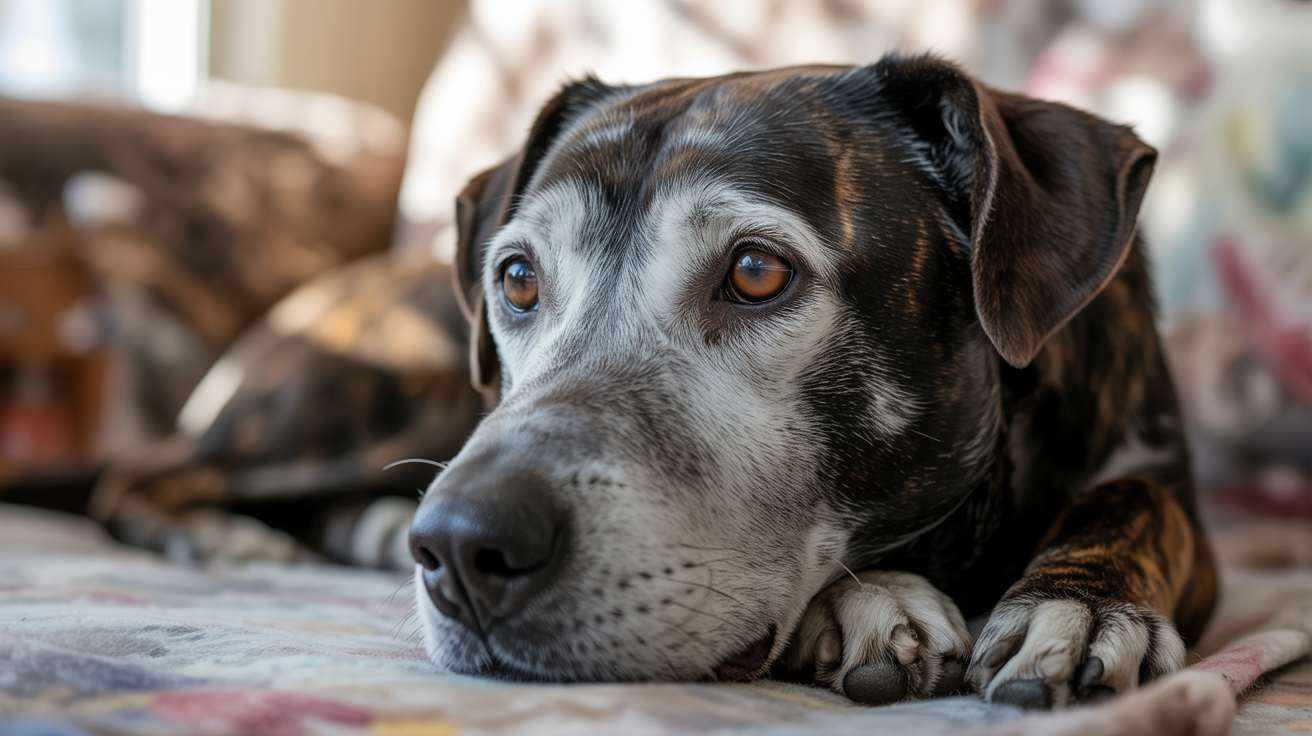


Summer evenings bring a familiar sight for dog owners: their furry friends jumping and snapping at the brown beetles buzzing around porch lights. These clumsy insects, known as June bugs, seem like easy prey for curious dogs. But this common behavior raises an important question for pet parents.
Many dog owners worry when they see their pets eating these beetles. Is this snack safe, or should you rush to stop your dog? The concern is valid, especially since dogs often eat things they shouldn’t.
This article answers the key question directly and covers everything you need to know. You’ll learn about the risks, when to call your vet, and how to keep your dog safe during beetle season.
Are June Bugs Toxic to Dogs? The Direct Answer

No, June bugs are not toxic or poisonous to dogs. These beetles don’t contain venom, and they cannot sting or bite your pet. If your dog catches and eats one or two of these insects, there’s no need to panic.
For large dogs, eating one or two June bugs is generally safe. Small dogs should stick to just one. These beetles actually provide a small amount of protein, similar to other insects dogs might eat in nature. The bugs themselves won’t poison your pet.
Problems only happen when dogs eat too many June bugs at once. Think of it like any other food: a little bit is fine, but too much causes trouble. The key is moderation, which we’ll talk about more below.
What Are June Bugs and Why Do Dogs Chase Them?

Before we get into the details, let’s understand what these beetles really are and why dogs find them so interesting.
June Bug Basics
June bugs are brown beetles that measure about one inch long. They get their name because they appear in late spring and early summer, usually around May and June. These beetles are most active at night and are strongly drawn to bright lights.
These insects are famously bad at flying. They bump into windows, walls, and people as they buzz around clumsily. June bugs eat plants, tree sap, and rotting organic material in your yard. Their clumsy nature makes them easy targets for dogs.
The Appeal for Dogs
Dogs have a natural hunting instinct that kicks in when they see moving prey. June bugs trigger this drive because they move slowly and make noise as they fly. The beetles are easy to catch, which makes the chase rewarding for your pet.
The crunchy texture is another reason dogs enjoy eating these bugs. Many dogs find the experience satisfying, similar to how they enjoy crunchy treats. Plus, chasing bugs provides mental stimulation and entertainment on boring summer nights.
Potential Health Risks When Dogs Eat June Bugs

While the answer to “are june bugs toxic to dogs” is no, there are still some health concerns to know about. Let’s look at what can go wrong.
Throat Irritation
June bugs have sticky, spiny legs that can scratch the delicate lining of your dog’s throat. This causes discomfort and may lead to coughing or gagging after your dog swallows the beetle.
The good news is that this irritation is usually minor and temporary. Offering your dog fresh water helps wash the bug down and soothes any scratching. Most dogs recover quickly without any treatment needed.
Digestive Upset and Indigestion
The hard outer shells of June bugs are tough for dogs to break down. Their digestive systems struggle to process the chitinous material that makes up the beetle’s body. One bug usually passes through without issue.
Multiple bugs can overwhelm your dog’s stomach. Common symptoms include vomiting, diarrhea, and loss of appetite. These signs are usually mild but can lead to dehydration if they continue. Watch your pet closely and make sure they drink water.
Intestinal Blockage
This is a rare but serious problem that happens when dogs eat many June bugs in a short time. The hard shells can pile up in the intestines and create a blockage. This prevents food and waste from moving through the digestive tract properly.
Warning signs include repeated vomiting without any bowel movements. Your dog may also seem very uncomfortable, refuse food, and act lethargic. This situation requires immediate veterinary care because blockages can become life-threatening without treatment.
Secondary Poisoning from Pesticides
Many homeowners spray their lawns and gardens with insecticides to control pests. June bugs that live in treated areas get coated with these chemicals. When your dog eats a contaminated beetle, they also ingest the poison.
The beetles spend time burrowing in soil and grass where pesticides collect. Dead bug piles are especially dangerous because the insects may have died from poison exposure. If you think your dog ate bugs from a treated area and shows symptoms, call your vet right away.
Parasite Transmission
June bugs sometimes eat animal droppings that contain parasites. When dogs catch and eat these beetles, they can pick up parasites like roundworms or other intestinal bugs. The risk is low compared to other ways dogs get parasites.
Most healthy dogs with regular deworming medication won’t have issues. Still, transmission can occur. Watch for unusual symptoms like weight loss, diarrhea, or a bloated belly in the weeks after your dog eats beetles.
Recognizing Symptoms After Your Dog Eats June Bugs

Knowing what to watch for helps you respond quickly if problems develop. Most dogs who eat one or two June bugs won’t show any symptoms at all.
However, if your dog ate multiple beetles, watch for these signs:
- Vomiting, especially if it happens more than once or twice
- Diarrhea or loose, watery stools
- Lethargy and less interest in playing or moving around
- Loss of appetite or refusing meals
- Excessive drooling or lip licking
- Coughing, gagging, or making choking sounds
- Abdominal discomfort is shown through hunched posture, whining, or restlessness
A single beetle rarely causes severe symptoms in healthy dogs. The risk goes up significantly when dogs eat many bugs at once. Small dogs are more sensitive than large breeds.
When to Contact Your Veterinarian?

Knowing when to seek help protects your dog’s health. Different situations call for different levels of urgency based on what happened.
Contact your vet immediately if your dog vomits repeatedly without having bowel movements. This could mean an intestinal blockage is forming. Also, call right away if your dog seems very sick, won’t drink water, or appears to be in pain.
Schedule a visit within 24 hours if your dog ate a large number of June bugs or you found them eating from a pile of dead beetles. Dogs that consumed bugs in areas treated with pesticides also need prompt evaluation. Better to check and find nothing wrong than wait too long.
For dogs who ate just one or two bugs and seem perfectly normal, you can watch them at home. Remember that small dogs need veterinary care sooner than large dogs because problems affect them faster. Trust your gut feeling as a pet owner. When you call, tell your vet how many bugs your dog ate, whether pesticides might be involved, and when symptoms started.
Tips to Prevent Your Dog from Eating June Bugs
Prevention is easier than dealing with health problems later. Here are practical ways to keep your dog away from these beetles.
Try adjusting when you walk your dog. Exercise during daylight hours or early evening before June bugs become active. This simple timing change helps your dog avoid most beetles without any extra effort on your part.
- Adjust walk times to daylight or early evening before beetles come out
- Choose darker routes away from streetlights and bright areas where bugs gather
- Use leash control to keep your dog close in areas with many insects
- Manage your yard by turning off outdoor lights you don’t need at night
- Training commands like “leave it” and “drop it” work well for stopping bug eating
- Redirect attention with toys or treats during walks to distract from hunting
- Create barriers by supervising outdoor time during peak season from May through July
- Monitor outdoor time closely during evening hours when beetles are most active
Consistency with these strategies works best. June bug season only lasts a few months, so the extra attention is temporary. Most dogs can learn to ignore the beetles with patient training and good supervision.
Conclusion
So, are June bugs toxic to dogs? The answer is no, these beetles are not poisonous. Small amounts won’t harm your pet, and many dogs safely catch the occasional beetle with no problems at all.
The real issues come from eating too many bugs at once. Digestive upset, throat irritation, and intestinal blockages can happen when dogs overindulge. Pesticide exposure adds another risk if beetles come from treated areas.
Watch for symptoms like vomiting, diarrhea, or signs of discomfort after your dog eats June bugs. Most cases are mild, but serious problems need quick veterinary care.
When you’re unsure about your dog’s condition, don’t hesitate to call your vet. They can give you peace of mind or catch problems early. With reasonable care, your dog can enjoy summer evenings safely.
Frequently Asked Questions
Can June Bugs Provide Any Nutritional Benefits for Dogs?
Yes, June bugs contain small amounts of protein and other nutrients. However, they should not replace proper dog food. Think of them as an occasional natural snack rather than a meal supplement.
Are June Bugs Safer Than Other Insects Dogs Commonly Eat?
June bugs are similar in safety to most beetles and crickets. They’re safer than stinging insects like bees or wasps. Spiders and certain caterpillars pose more danger than June bugs do.
How Long After Eating June Bugs Will Symptoms Appear?
Most symptoms show up within 2 to 12 hours after eating beetles. Digestive problems usually appear first. Blockage symptoms may take 24 hours or more to develop, depending on how many bugs were eaten.
Can I Give My Dog Anything at Home to Help Digest June Bugs?
Offer plenty of fresh water to help wash down the beetles. A small amount of plain pumpkin puree can help with minor digestive upset. Never give human medications without calling your vet first.
Do Certain Dog Breeds Have More Problems with Eating June Bugs?
Small breeds face more risk because their bodies are smaller. Brachycephalic breeds like Pugs and Bulldogs may have more trouble with throat irritation. Otherwise, all breeds process June bugs the same way.