
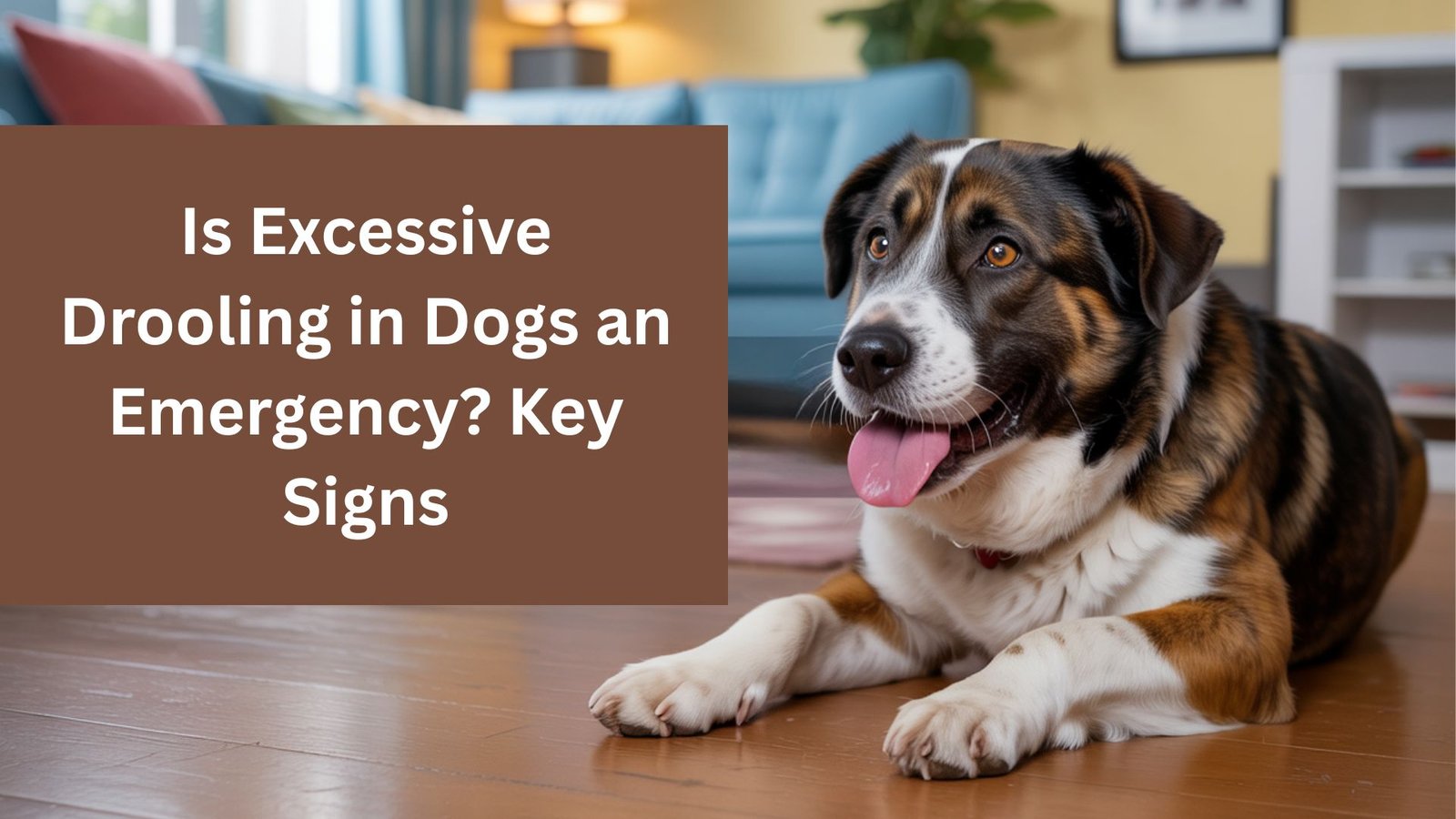
Excessive drooling in dogs can be harmless or a sign of a serious medical emergency. Knowing the difference helps you respond quickly and keep your dog safe. That uncertainty is stressful, especially when your dog seems uncomfortable or is acting strange.
This article explains when excessive drooling is an emergency and when it’s harmless. You’ll learn the key warning signs that require immediate veterinary care, such as difficulty breathing, swelling, or signs of poisoning.
I’m giving you clear, actionable guidance based on real veterinary knowledge so you can make the right decision quickly.
Here’s what matters most. You need answers now, not later. Is it heatstroke? Did they eat something toxic? Just excited about dinner? I’ll walk you through each scenario so you can spot the difference between normal drooling and a life-threatening emergency.
What is Excessive Drooling in Dogs?

Excessive drooling in dogs can happen for many reasons, ranging from harmless excitement to serious medical conditions. Understanding the cause helps you act quickly. Most cases? Dietary indiscretion. Your dog ate something they shouldn’t have.
Acute diarrhea hits suddenly and clears up within 48 hours, usually from stress or bad food choices.
Chronic diarrhea lasts three weeks or longer and signals an underlying disease. Location matters too.
Large-bowel diarrhea means frequent small stools with straining and mucus, while small-bowel diarrhea produces large volumes of greasy stool and possible weight loss.
Vets also classify diarrhea by what’s happening inside your dog’s gut. Osmotic (unabsorbed nutrients pull in water), secretory (intestines release too much fluid), exudative (inflammation leaks blood or mucus), and rapid transit (food moves too quickly).
You don’t need to diagnose these yourself. Your vet will figure out which type your dog has.
Common Causes of Excessive Drooling

Excessive drooling has dozens of potential triggers, ranging from harmless to life-threatening. I’m breaking down the seven most important causes so you can quickly identify what might be happening with your dog.
- Gastrointestinal issues: nausea from gastritis, pancreatitis, or ulcers. Watch for vomiting, diarrhea, or lethargy.
- Dental disease: periodontal disease, infected teeth, oral tumors. Look for bleeding gums, bad breath, and swelling.
- Foreign objects: bones, sticks, or toys lodged in the mouth. Pawing at the face.
- Toxin exposure: chocolate, xylitol, chemicals, or toxic plants. Immediate vet care needed.
- Abdominal pain / Bloat: distended belly, restlessness. Large-breed, deep-chested dogs are at risk.
- Neurological damage: stroke, nerve injury. Drooling, with difficulty swallowing, and disorientation.
- Anxiety & Stress: vet visits, car rides. Temporary, resolves once the stressor is removed.
Emergency Signs of Excessive Drooling in Dogs
Not every drooling episode requires a vet visit, but some situations are life-threatening. Knowing the emergency red flags helps you act quickly when seconds count.
Emergency Red Flags That Require Immediate Vet Care

Certain symptoms paired with drooling mean your dog is in serious trouble. These warning signs require emergency veterinary care. Don’t wait until morning or try to treat it at home.
- Vomiting, regurgitation, diarrhea, or signs of dehydration (dry gums, sunken eyes)
- Behavior changes like lethargy, whining, restlessness, or sudden aggression.
- Trouble swallowing or breathing, facial swelling, or blue/pale gums
- Unsteady gait, dizziness, head tilting, or neurological symptoms like uneven pupils
- Abdominal distention, pawing frantically at the mouth, or collapse
If your dog shows any combination of these symptoms with excessive drooling, go to the emergency vet immediately. Multiple symptoms together indicate serious internal problems that worsen rapidly without intervention.
Life-Threatening Conditions That Cause Excessive Drooling

Three conditions are most commonly linked to emergency drooling: bloat, toxin exposure, and neurological events. Each requires urgent veterinary care to prevent rapid deterioration.
- Bloat (GDV): Excessive drooling with failed vomiting attempts and a rapidly swelling abdomen signal gastric torsion. Large-breed, deep-chested dogs need immediate surgery, or they’ll die within hours.
- Toxin exposure: Rapid drooling appears as the earliest poisoning warning sign from chemicals, plants, or medications. Quick treatment prevents permanent organ damage. Bring the toxin package to the vet if possible.
- Neurological events: Difficulty swallowing paired with disorientation or uneven pupils means nerve or brain damage. Your dog risks aspiration pneumonia when they can’t control saliva. This is an immediate emergency.
How Vets Diagnose Excessive Drooling?

Your vet needs to find the root cause before treating excessive drooling. The diagnostic process moves from simple to complex, starting with a physical exam and progressing to specialized tests if needed.
- Physical examination first: Your vet inspects your dog’s mouth, teeth, gums, throat, and neck for visible problems like injuries, foreign objects, or swelling. They’ll also review your dog’s medical history, recent exposures, diet changes, and current medications to identify potential triggers.
- Blood work and imaging: Lab tests, including blood work and urinalysis, can detect infections, organ disease, or toxin exposure that isn’t visible externally. X-rays reveal foreign bodies lodged in the mouth or GI tract and show structural problems causing drooling.
- Advanced diagnostics: If basic tests don’t find the cause, your vet may recommend CT scans, MRI, ultrasound, endoscopy, or biopsies. These specialized tools identify tumors, neurological damage, structural defects, or complex internal conditions requiring targeted treatment.
Treatment Options for Excessive Drooling
Treatment depends entirely on what’s causing the drooling. Your vet targets the root problem, not just the symptom, to stop excessive salivation permanently.
Depending on the Underlying Cause

Once your vet identifies the cause, they’ll create a specific treatment plan. Medical and surgical options address everything from dental disease to tumors.
- Dental cleaning or tooth extractions for periodontal disease and infected teeth
- Antibiotics for bacterial infections, surgery to remove tumors or foreign objects, or radiation therapy for cancer
- Pain control medications, anti-inflammatories, and medicated mouth rinses for ongoing comfort.
Treatment timelines vary widely. Simple dental cleanings might resolve drooling within days, while cancer treatment requires weeks or months.
Follow your vet’s instructions carefully and schedule follow-up appointments to monitor your dog’s progress.
Emergency Stabilization Strategies

Life-threatening causes of drooling require immediate intervention before your vet can address the underlying problem. Stabilization keeps your dog alive while doctors diagnose and treat the root cause.
- IV fluids for rapid rehydration when your dog can’t drink or is losing fluids from vomiting
- Anti-toxin treatments or activated charcoal for poisoning cases, oxygen support for breathing difficulties
- Rapid surgical intervention for bloat or intestinal obstructions threatening the blood supply
Emergency care focuses on survival first, diagnosis second. Your dog may need hospitalization for 24-48 hours while receiving intensive treatment.
Time matters critically. Delays of even a few hours can mean the difference between recovery and death.
What to Do at Home During Sudden Drooling Episodes?
When your dog suddenly starts drooling excessively, your first actions matter. Stay calm and follow these steps to assess the situation and get your dog the help they need.
- Check breathing first: Watch for choking signs, labored breathing, or airway obstruction with blue gums or gasping sounds. If your dog can’t breathe properly, this is a life-threatening emergency requiring immediate veterinary care.
- Inspect mouth safely: Open your dog’s mouth carefully and look for visible objects stuck between teeth, swelling, wounds, or bleeding. Don’t put your fingers deep in their throat or force anything. You could push objects deeper or get bitten.
- Call the emergency clinic: Contact your vet or emergency hospital immediately and provide a timeline of when drooling started, other symptoms you’ve noticed, and any possible toxin exposure. They’ll tell you whether to come in right away or monitor at home.
- Keep the dog calm: Avoid putting pressure on your dog’s neck, keep the environment quiet, and prevent them from running around or getting agitated. Stress worsens many conditions and increases the risk of vomiting or choking on saliva.
- Prepare for transport: If the vet says to come in, bring any suspected toxins, medications, or objects your dog may have swallowed. This information helps your vet diagnose quickly and start the right treatment immediately.
Conclusion
Excessive drooling may be normal, but when combined with distress, breathing problems, seizures, facial swelling, or suspected poisoning, it’s an emergency.
Trust your instincts. If your dog seems distressed, lethargic, or if you suspect toxin ingestion, don’t wait. Call your vet or emergency clinic right away. Most cases turn out fine, but the serious ones need action quickly to save your dog’s life.
If this article helped you figure out whether your dog’s drooling is normal or dangerous, share it with other pet parents who might be panicking right now. Drop a comment if you’ve experienced a drooling scare, what happened, and how you handled it. Your story might help someone else.
Frequently asked questions
Is excessive drooling in dogs an emergency?
It depends on accompanying symptoms. Normal drooling from excitement, hunger, or certain breeds isn’t an emergency. However, excessive drooling with difficulty breathing, vomiting, seizures, facial swelling, pale gums, or suspected poisoning requires immediate veterinary care. Trust your instincts. If your dog seems distressed or abnormal, call your vet right away.
What are the emergency signs that come with excessive drooling?
Emergency signs include difficulty breathing or swallowing, blue or pale gums, seizures, collapse, extreme lethargy, facial or throat swelling, uncontrollable vomiting, foaming at the mouth, or suspected toxin ingestion. If your dog shows any of these symptoms alongside drooling, seek immediate veterinary attention. These indicate life-threatening conditions.
What causes sudden excessive drooling in dogs?
Sudden excessive drooling can result from nausea, foreign objects stuck in the mouth or throat, dental pain, toxin ingestion, heatstroke, anxiety, seizures, or allergic reactions. Some dogs drool from motion sickness or excitement. Check your dog’s mouth for obstructions and monitor for other concerning symptoms requiring veterinary evaluation.
Can heatstroke cause excessive drooling in dogs?
Yes. Heatstroke causes heavy panting and excessive drooling along with rapid heartbeat, bright red gums, weakness, vomiting, or collapse. This is a life-threatening emergency requiring immediate cooling and veterinary care. Never leave dogs in hot cars, and provide shade and water during warm weather to prevent heatstroke.
When should I call the vet for dog drooling?
Call your vet immediately if drooling is accompanied by distress, breathing problems, vomiting, lethargy, seizures, swelling, suspected poisoning, or anything stuck in the mouth. Also, contact your vet if excessive drooling persists without an obvious cause or if your dog stops eating and drinking. Don’t wait when something feels wrong.