
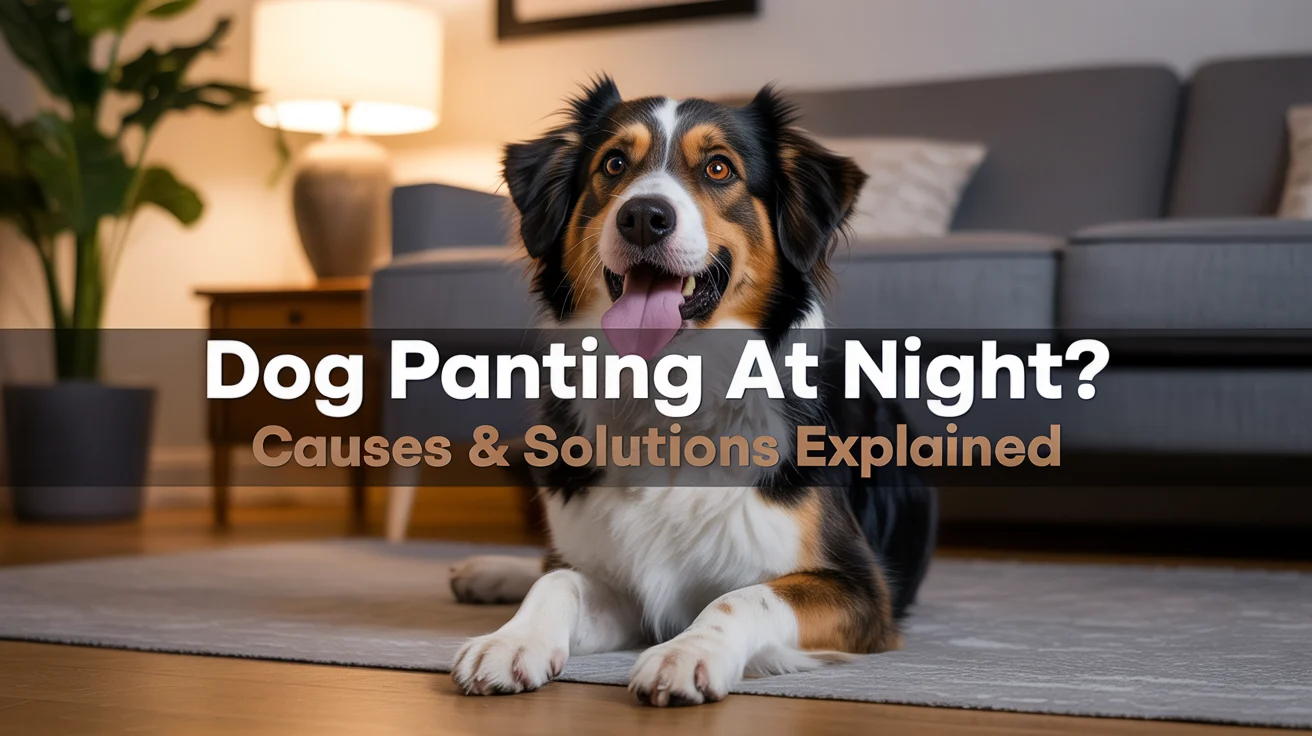
Hearing your dog pant heavily at 2 AM is scary. You’re lying there wondering if something’s seriously wrong. Is it normal? Should you rush to the vet? I get it, you just want your pup to breathe easy and sleep through the night.
This article breaks down why dogs pant after dark and what you can do about it. You’ll learn the common causes, from simple stuff like room temperature to signs that need a vet visit. We’ll cover practical solutions you can try tonight.
I’ve spent years working with anxious dog owners facing this exact problem. The good news? Most nighttime panting has simple fixes you can handle at home. Some cases do need professional help, and I’ll show you how to tell the difference. Let’s understand what’s going on with your dog.
Why Dogs Pant?

Your dog doesn’t sweat as you do. Dogs cool themselves by panting. It’s their built-in air conditioning system. When your pup breathes fast with their tongue out, they’re releasing heat and regulating body temperature.
You’ll see this after playtime, during walks, or when they’re excited. Hot and humid days? Expect more panting. This is totally normal.
But here’s where things change. Panting at night in a cool room isn’t normal. If your dog is rested and the temperature is comfortable, something else is going on. Watch for restless pacing, can’t-get-comfortable behavior, or unusual whining. When heavy panting comes with weird behavior, don’t ignore it.
I’m not trying to scare you. Most causes are fixable. But your dog might be telling you they need help, if it’s anxiety, pain, or a health issue that needs checking. Trust what you’re seeing and take action.
Medical Causes of Night-time Panting
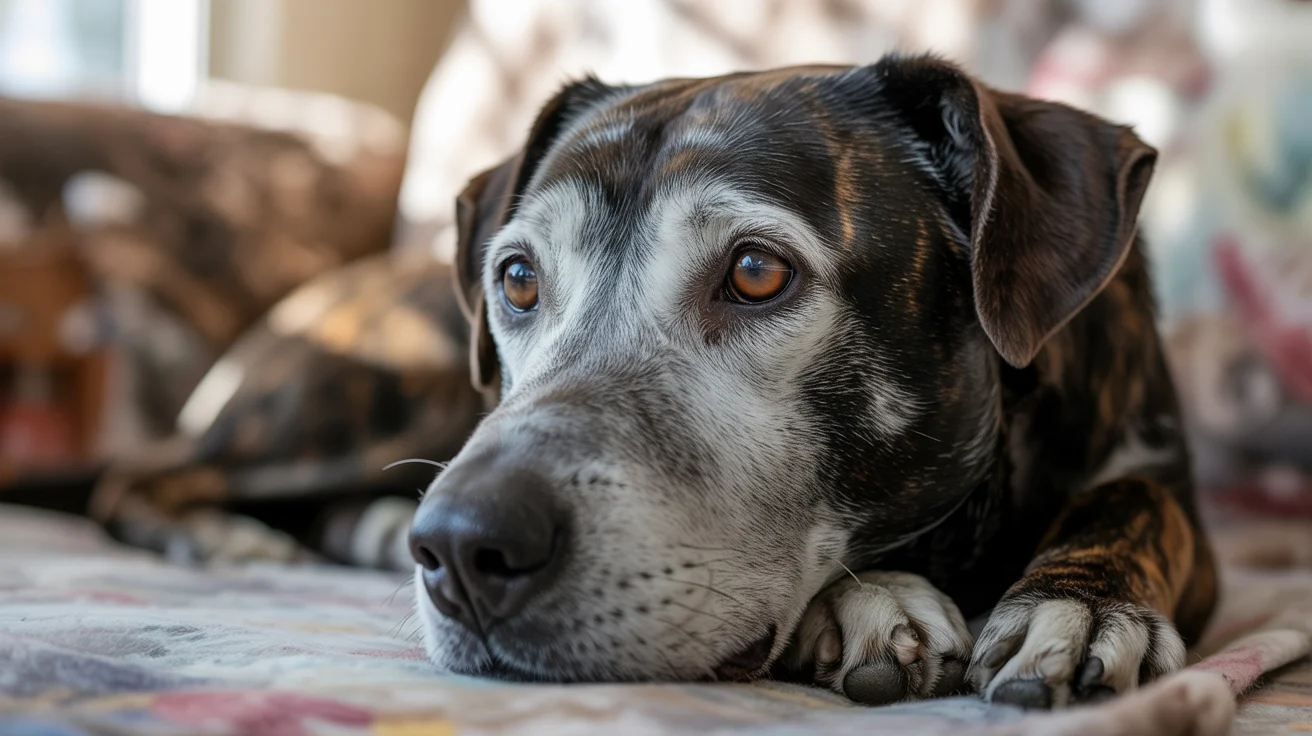
Sometimes nighttime panting points to a health problem. I want you to understand the serious conditions, so you know when to act fast. Age matters. Older dogs (7+ years) face the highest risk.
Heart Disease

A struggling heart makes everything harder. Your dog pants, trying to get enough oxygen, especially at night when they should rest peacefully.
- Minimal effort exhaustion: Panting after walking across the room. They get tired fast and can’t settle down at night.
- Coughing worsens: Listen for coughing at night or after lying down. Blue-tinged gums mean an emergency vet visit now.
- Early diagnosis saves: Heart disease is manageable with medication. Book a vet appointment this week if you notice these signs.
Cushing’s Disease

Too much cortisol floods your dog’s body. This hits middle-aged to senior dogs (6+ years) most often and develops slowly.
- Excessive drinking: Constant water drinking and peeing more often. You might see accidents indoors even if they’re housetrained.
- Body changes visible: Round pot belly, hair loss, and always hungry. A simple blood test diagnoses it, and treatment helps.
Respiratory Issues

Breathing problems mean not enough oxygen. Short-nosed breeds and senior dogs struggle most, but puppies can have birth defects, too.
- Struggling to breathe: Heavy panting after minimal movement. They stand with their neck extended to breathe more easily at night.
- Tongue color matters: A Blue, purple, or grey tongue is an emergency. Get to a vet immediately, don’t wait.
Behavioral and Environmental Causes
Not every nighttime panting issue is medical. Sometimes your dog is reacting to their surroundings or dealing with emotional stress. Let’s look at the three most common causes.
Stress or Anxiety

Your dog feels emotions just like you do. Anxiety doesn’t clock out at bedtime. If your dog is stressed, their body stays on high alert even when the lights go off.
- Thunderstorms or fireworks (even distant ones)
- Being alone or separated from you
- New people or pets in the home
- Loud neighborhood noises at night
You’ll see pacing along with the panting. Your dog might whine or not settle down. This isn’t defiance, it’s genuine distress. Anxious dogs need comfort and consistency.
Pain or Discomfort

Pain keeps your dog awake and panting. They can’t say “my hip hurts” or “my stomach feels off.” Instead, they pant, pace, and look miserable.
- Restless pacing or can’t find a comfortable position
- Panting combined with soft whining
- Licking or biting at a specific body part
- Stiff movements or reluctance to lie down
Arthritis hits hard at night. After a full day of activity, inflamed joints ache worse when your dog tries to rest. Don’t ignore persistent nighttime discomfort. Your vet can provide pain relief.
Environmental Factors

Sometimes the problem is simpler than you think. Your home environment plays a huge role in your dog’s comfort. What feels fine to you might be uncomfortable for them.
- Room temperature too warm (above 75°F)
- Poor air circulation or stuffiness
- Uncomfortable sleeping area
- Seasonal allergies are flaring up
Puppies and senior dogs struggle more with temperature regulation. Allergies also disrupt sleep. Imagine trying to rest with constant itching. Check your dog’s sleeping area tonight and make simple adjustments.
Breed-Specific Tendencies

Not all dogs breathe the same at night. Some breeds struggle more than others. If you have a short-nosed dog, I need you to pay attention.
- Flat faces: Pugs, Bulldogs, and Boxers have squished noses. This makes breathing harder, especially when they sleep.
- Watch closely: You’ll hear louder panting at night. Listen for wheezing or gasping sounds that seem different.
- Keep them cool: Heat makes it worse for these breeds. A fan or AC helps them breathe easier while they rest.
Signs Your Dog’s Panting Needs Immediate Attention
Some situations can’t wait until morning. I need you to recognize true emergencies. Trust your gut. If something feels seriously wrong, it probably is. Here are the three signs that mean you need to act right now.
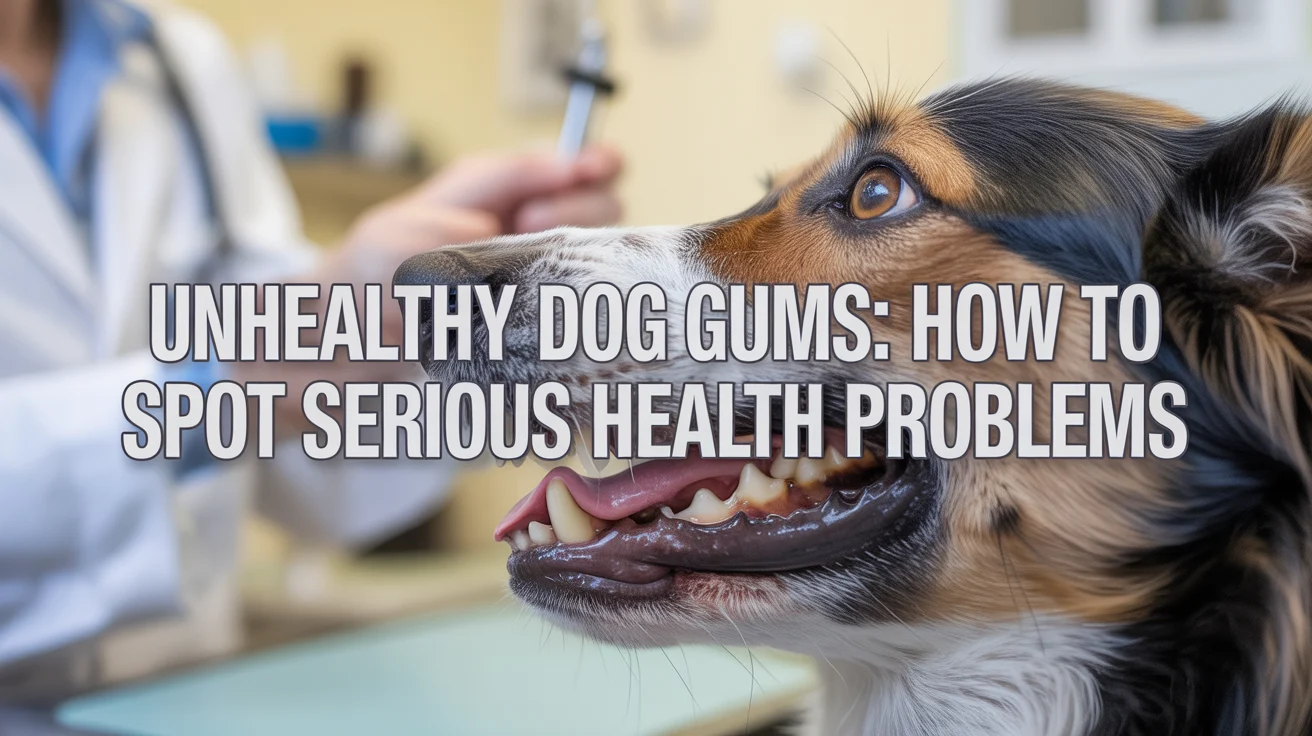
- Blue or Purple Tongue: Your dog’s tongue or gums should be pink. If you see blue, purple, or grey coloring, their blood isn’t getting enough oxygen. This is a life-threatening emergency that requires immediate veterinary care.
- Collapse or Lethargy: Your dog suddenly can’t stand, seems extremely weak, or collapses while panting. They might be unresponsive or barely able to lift their head. Don’t wait to see if they improve. Get to an emergency vet immediately.
- Dehydration Signs: Check for dry, sticky gums and sunken eyes along with heavy panting. Press your dog’s gums. If the color doesn’t return quickly, they’re dehydrated. Severe dehydration combined with panting means something serious is happening inside their body.
What to Do if Your Dog Pants at Night

You’ve noticed the panting. Now what? Don’t panic, but don’t ignore it either. I’ll walk you through the practical steps to help your dog and understand what’s going on.
- Track the pattern: Start paying attention tonight. When does the panting start? How long does it last? Write this down on your phone so you can spot patterns.
- Fix the environment: Make your dog’s sleeping area cooler and more comfortable right now. Turn on a fan, open a window, or move their bed to a cooler room.
- Watch for symptoms: Panting alone might not be urgent, but panting plus other signs changes everything. Look for coughing, vomiting, or refusal to eat. If symptoms pile up, call your vet.
- Exercise early: Take walks in the morning or afternoon, not before bed. Give them at least two hours to wind down after playing or running.
- Tire them out: A bored dog is a restless dog. Make sure they get enough daytime activity so they’re ready to sleep when you are.
Treatment and Management
Once you know why your dog is panting, you need a plan to fix it. Treatment depends on the cause, but I’ll show you what works for each situation. Let’s get your dog breathing easy again.
Immediate Interventions

Some problems need action right now. Quick responses prevent small issues from becoming life-threatening. Time matters when your dog is in distress, so you need to know what to do immediately.
- Heatstroke: Move your dog to shade, apply cool (not cold) water to their body, and rush to the vet
- Pain or injury: Keep your dog calm, restrict movement, and contact your vet for pain relief options
- Severe distress: If panting comes with collapse or blue gums, get to an emergency vet immediately
Don’t try to fix emergencies at home. Your job is to stabilize and transport. Call ahead to the vet, so they’re ready when you arrive. Minutes count in true emergencies.
Veterinary Diagnosis

Your vet has tools you don’t have at home. They can run tests that pinpoint exactly what’s wrong with your dog. This isn’t guesswork, it’s science.
- Blood tests: Check for Cushing’s disease, infections, or organ problems
- X-rays or ultrasounds: Look at heart size, lungs, and internal organs
- ECG: Measures heart rhythm and detects heart disease
Once diagnosed, your vet prescribes the right treatment. This might be medication, therapy, or lifestyle changes. Follow their instructions exactly. Skipping doses or stopping treatment early brings problems back.
Long-term Strategies

Managing nighttime panting isn’t always a one-time fix. Some dogs need ongoing support to stay comfortable. You’re building a lifestyle that keeps your dog healthy, not just treating symptoms.
- Anxiety relief: Try calming supplements, thunder shirts, white noise machines, or behavior training
- Environment control: Keep the bedroom cool, use orthopedic beds for senior dogs, and reduce nighttime disruptions
- Regular monitoring: Schedule vet checkups every 6 months for senior or at-risk dogs
Consistency matters more than perfection. Small daily efforts add up to big improvements. Your dog’s nighttime panting might not disappear overnight, but it will get better. Stay patient and keep working with your vet to adjust the plan as needed.
Preventive Tips to Reduce Nighttime Panting
Prevention beats treatment every time. You can stop most nighttime panting before it starts. These simple changes make a huge difference in your dog’s comfort and sleep quality.
- Create a Cool Sleep Space: Keep your dog’s sleeping area between 68-72°F. Use fans for air circulation and keep the room quiet. Never leave your dog in a hot car, not even for “just a minute.” Cars turn into ovens fast, and the damage happens in minutes, not hours.
- Stick to a Routine: Dogs thrive on consistency. Feed them at the same times daily, walk them on schedule, and keep bedtime predictable. A solid routine reduces anxiety and helps your dog’s body know when it’s time to wind down and rest peacefully.
- Catch Problems Early: Watch your dog for small changes in behavior, appetite, or energy levels. Early signs of illness are easier to treat than advanced conditions. Schedule annual vet checkups and don’t skip them. Prevention and early detection save you money, stress, and your dog’s life.
Conclusion
Dog panting at Night doesn’t have to keep you both awake anymore. You now know the common causes, whether it’s heat, anxiety, pain, or something more serious. More importantly, you’ve got practical solutions to try right away.
Most cases are fixable with simple changes like adjusting room temperature, creating a calmer bedtime routine, or making sure your dog gets enough exercise. If the panting continues or you notice other symptoms, don’t hesitate to call your vet. Trust your gut.
Your dog deserves peaceful sleep, and so do you. Try these tips tonight and see what works. Have questions or want to share what helped your pup? Drop a comment below, I’d love to hear how things go.
Frequently asked questions
Why is my dog panting at night?
Dogs pant at night for several reasons: they’re too hot, feeling anxious, experiencing pain, or dealing with health issues like heart problems or respiratory conditions. Older dogs may pant more due to cognitive decline. Sometimes it’s simply because they need water or are dreaming. Check the room temperature and their overall behavior first.
When should I worry about dog panting at night?
Contact your vet if the panting is excessive, sudden, or accompanied by other symptoms like coughing, blue gums, lethargy, vomiting, or loss of appetite. Also, worry if your dog seems distressed, can’t settle down, or the panting doesn’t stop even in a cool room. Trust your instincts. You know your dog best.
How can I stop my dog from panting at night?
Keep the room cool (68-72°F), ensure fresh water is available, and create a calm bedtime routine. Increase daytime exercise, reduce evening excitement, and provide a comfortable bed. If anxiety is the cause, try calming music or a thunder shirt. Address any underlying health issues with your vet.
Is a dog panting at night a sign of pain?
Yes, panting can indicate pain, especially in older dogs with arthritis or joint issues. Dogs often pant when uncomfortable because they can’t express pain verbally. Look for other signs like restlessness, whining, difficulty lying down, or limping. If you suspect pain, schedule a vet visit for proper diagnosis and pain management.
Can anxiety cause a dog to pant at night?
Absolutely. Anxiety is a common cause of nighttime panting in dogs. Separation anxiety, noise phobias, or cognitive dysfunction in senior dogs can trigger it. Your dog might also pant from changes in routine or environment. Create a secure sleeping space, maintain consistency, and consider calming supplements or behavior training if anxiety persists.