
You bring home your adorable new puppy, and within hours, those tiny teeth are chomping on everything, including your fingers. If you’re dealing with constant nipping and wondering when it will stop, you’re not alone. This is one of the most common questions new dog owners ask.
The good news? Puppy biting is completely normal. It’s part of how young dogs learn about their world. The better news? It doesn’t last forever.
Understanding how long the puppy biting stage lasts helps you stay patient during this challenging time. In this article, you’ll learn the typical timeline, why puppies bite, and what you can do to teach your pup better habits faster.
How Long Does the Puppy Biting Stage Last?

Most puppy owners want a straight answer to this question. While every puppy is different, there are general patterns you can expect.
The Typical Timeline
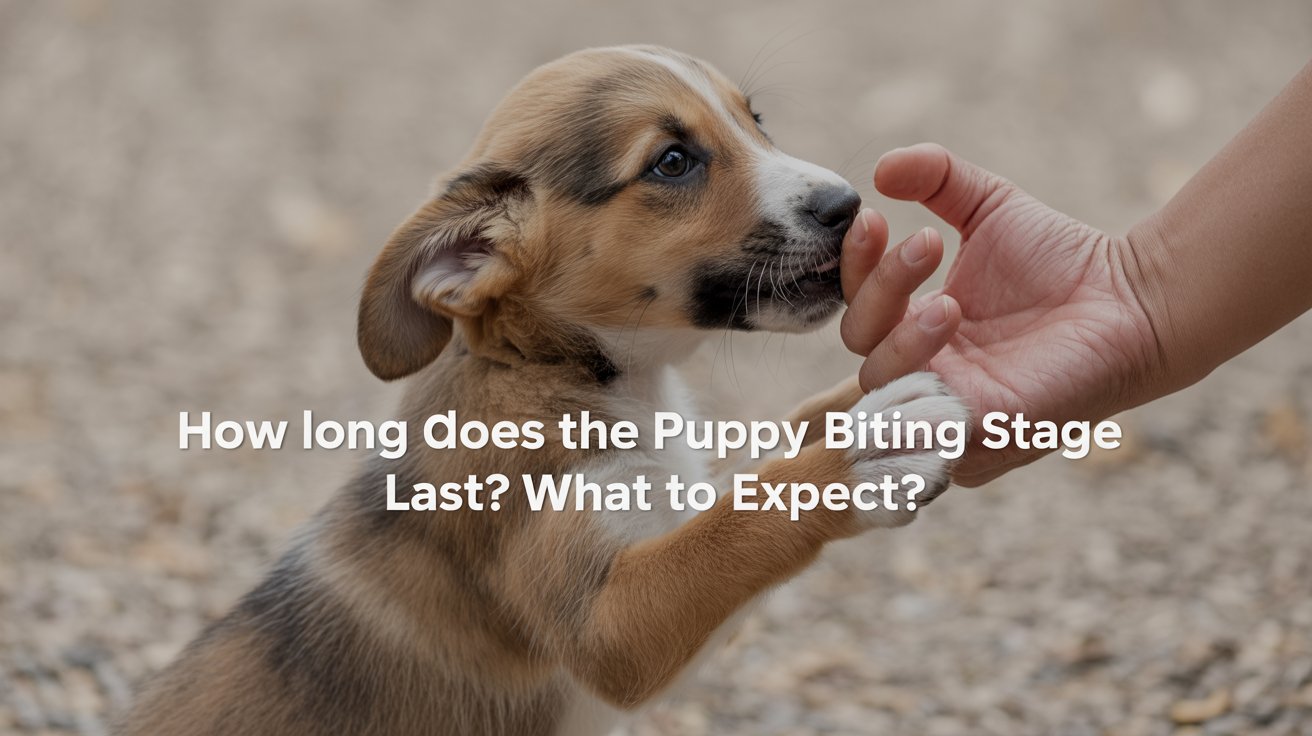
The puppy biting stage typically lasts from 3 to 9 months, though this varies depending on your puppy’s breed and how consistently you train them. Puppies start using their mouths to investigate things around them as early as a few weeks old, which is when you’ll first notice the behavior.
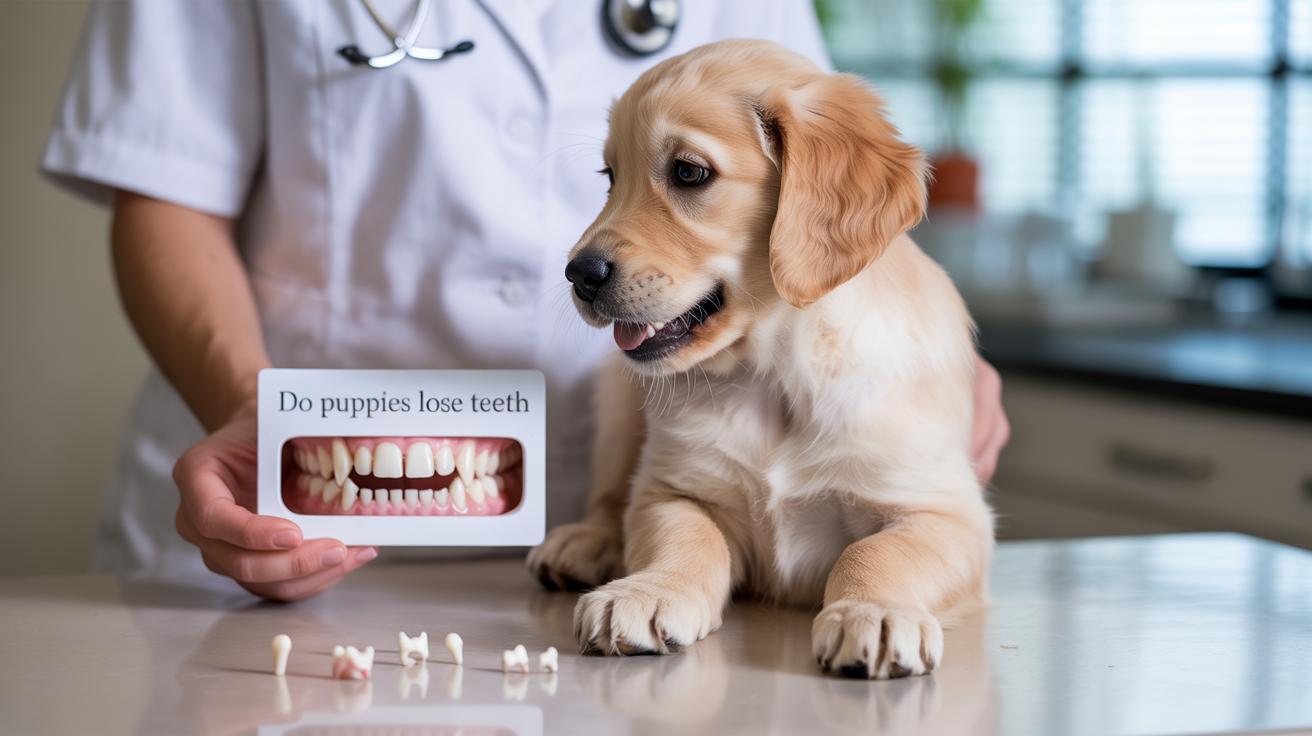
The biting usually gets worse during the teething period, which happens between 3 and 6 months of age. This is when your puppy’s baby teeth fall out, and adult teeth come in, making their gums sore and uncomfortable. With proper training and redirection, most puppies learn to control their biting by around 6 months old. Some may take a bit longer, especially larger breeds that mature more slowly.
Factors That Influence Duration
Different factors affect how long the puppy biting stage lasts for your specific dog. Breed plays a role because some types of dogs are naturally more “mouthy” than others. Herding breeds like Border Collies and Australian Shepherds, for example, tend to use their mouths more during play and work.
Training consistency makes the biggest difference in shortening this phase. Puppies who get clear, repeated lessons about what’s okay to bite learn faster than those who receive mixed messages. Socialization with other puppies also speeds up the process because dogs teach each other about bite pressure. Finally, your individual puppy’s personality matters. Some pups are naturally gentler, while others are more energetic and bite more during excitement.
Why Puppies Bite and What’s Normal?

Before you can stop the biting, it helps to understand why your puppy does it in the first place. This isn’t bad behavior or a sign of aggression in most cases.
Natural Developmental Behavior
Puppies use their mouths the way human babies use their hands. They can’t pick things up and examine them with paws, so they bite and chew to learn about different textures and objects. This is their main way of figuring out their environment.
Teething causes real discomfort, and chewing helps relieve the pain and pressure in their gums. Biting also teaches puppies important social skills. When they bite too hard during play, they learn boundaries through the reactions they get. This process is called bite inhibition, and it’s a crucial skill all dogs need to develop.
Learning Through Interaction
In a litter, puppies constantly play-fight with their brothers and sisters. When one puppy bites too hard, the other yelps and stops playing. This immediate feedback teaches the biter to be more gentle next time.
The mother dog also plays a key role in teaching puppies when biting goes too far. She’ll correct them with a firm but gentle response when they get too rough with her. Puppies are naturally curious creatures, and mouthing things is part of how they satisfy that curiosity. Understanding this helps you respond appropriately instead of getting frustrated.
Teaching Your Puppy Bite Inhibition

Training your puppy not to bite takes time and patience, but it works. The goal isn’t to stop all mouthing immediately, but to teach your puppy to control the pressure of their bite.
The “Yelp and Withdraw” Method
This technique mimics what other puppies do. When your puppy bites you, make a high-pitched “ow” sound, even if it didn’t hurt much. This startles your puppy and helps them understand they did something wrong.
This method works best for puppies under 4 months old who respond to sudden noises. However, some puppies get more excited by the yelping sound and bite harder. If this happens with your pup, skip the noise and move straight to withdrawing. Turn away from your puppy, cross your arms, and ignore them for 10 to 20 seconds. This teaches that biting ends the fun.
Reward Gentle Behavior
Pay close attention to the difference between when your puppy uses a soft mouth versus when they bite down hard. The moment your puppy licks you or touches you gently with their mouth, praise them enthusiastically and give them a treat.
Timing matters a lot here. You need to reward the gentle behavior within one or two seconds for your puppy to make the connection. Use both treats and verbal praise like “good, gentle” or “yes, soft mouth” in a happy voice. The more you reward what you want, the more your puppy will repeat that behavior.
Consistency is Critical
Every single person in your household must follow the same rules about biting. If one family member allows the puppy to nibble their hands during play but another person doesn’t, your puppy gets confused about what’s acceptable.
Mixed signals significantly extend how long the puppy biting stage lasts. Puppies learn through repetition and clear patterns. When the rules keep changing, they can’t figure out what you want from them. Hold a family meeting to agree on the approach everyone will use.
Redirecting Your Puppy’s Biting Behavior

Sometimes the best solution isn’t stopping the biting but giving your puppy something appropriate to bite instead.
Providing Appropriate Chew Toys
Keep several different types of chew toys available for your teething puppy. Rubber toys, rope toys, and frozen washcloths all provide relief for sore gums. Different textures appeal to puppies at different stages, so offer variety.
Make sure toys are always within easy reach so you can quickly redirect your puppy when they start biting you. Keep toys in every room where your puppy spends time. The key is teaching your puppy the difference between toys and human skin. When they bite your hand, immediately offer a toy instead. Praise them when they take the toy.
Encouraging Non-Contact Play
Games like fetch teach your puppy that playtime doesn’t have to involve teeth on skin. Throw a ball or toy and reward your puppy for bringing it back. This burns energy while keeping their mouth busy with appropriate items.
Tug of war can be a good game if you teach rules like “drop it” first. Keep a tug toy in your pocket when you’re around your puppy. When they start going for your hands or clothes, pull out the toy and start a game instead. For puppies who bite ankles and feet when you walk, stop moving immediately. Once they calm down, redirect them to a toy.
When Puppy Biting Becomes a Concern?

While most puppy biting is normal and will pass with training, some situations require extra attention or professional help.
Recognizing Aggressive vs. Playful Biting
Playful biting happens when your puppy’s body is loose and wiggly. Their tail wags, they might play bow, and they seem happy. The biting is part of their excited play behavior, even though it hurts your skin.
Aggressive biting looks different. The puppy’s body becomes stiff and tense. You might see the whites of their eyes, flattened ears, or a tucked tail. Some puppies have what looks like temper tantrums when they don’t get their way, which includes biting. This needs to be addressed differently from play biting. If the bites are breaking skin regularly or causing real injury, that’s another sign to take seriously.
When to Seek Professional Help
If your puppy seems to bite out of fear rather than play, professional guidance helps. Fear-based biting can develop into bigger problems if not handled correctly early on. Similarly, if your puppy bites when frustrated or when you try to stop them from doing something, a trainer can help.
Puppy training classes are valuable for all dogs, not just problem biters. These classes provide controlled socialization and expert instruction on basic manners. If you’ve been consistently training for several weeks without any improvement, or if you’re worried about your puppy’s behavior, talk to your veterinarian. They can rule out medical issues and refer you to a certified dog behaviorist if needed.
Practical Tips to Reduce Puppy Biting
A tired puppy is a less bitey puppy. When puppies have pent-up energy, they’re much more likely to get wild and nippy. Make sure your puppy gets enough physical exercise each day. The exact amount depends on age and breed, but most puppies need at least 30 minutes to an hour of active play spread throughout the day. Mental activities like puzzle toys and training sessions also tire puppies out. A puppy who’s worked their brain is calmer and more likely to rest.
Key strategies to reduce biting:
- Take your puppy outside for play sessions multiple times per day
- Use training sessions to tire out their mind along with their body
- Rotate different toys to keep them interesting and engaging
- Try sniff games where your puppy searches for hidden treats
- Watch for signs your puppy is getting overtired, like frantic behavior or excessive biting
- Put your puppy in their crate or pen for mandatory nap time when they get cranky
- Puppies need 18 to 20 hours of sleep per day, so don’t skip naps
- Make sure your puppy has gone to the bathroom recently
- Check that food and water bowls are full
- Address basic needs before they lead to frustrated, bitey behavior
- Keep your hands still and calm around your puppy
- Fast movements trigger prey drive and make puppies want to chase and bite
- Never hit, slap, or tap your puppy’s nose as punishment for biting
- Physical corrections make the problem worse and can create fear
Following these tips consistently will help reduce how long the puppy biting stage lasts in your home. The combination of meeting your puppy’s needs and teaching better habits speeds up the learning process.
Conclusion
Now you know that how long the puppy biting stage lasts depends on several factors, but typically ranges from 3 to 9 months with consistent training. This phase is a normal part of puppy development, not a sign that something is wrong with your dog.
The key to getting through it faster is patience combined with consistent training methods. Every puppy goes through this stage, and every puppy can learn better habits with your guidance.
Remember that the work you put in now prevents problems later. An adult dog who never learned bite control is much harder to manage than spending time training your puppy correctly from the start. Start using these techniques today, stay positive even when those puppy teeth hurt, and trust that this stage will end.
Frequently Asked Questions
Can Teething Toys Really Help Shorten the Biting Phase?
Yes, appropriate chew toys give puppies relief from teething pain and redirect their need to bite. Having the right toys easily available helps puppies learn what’s okay to chew.
Should I Let My Puppy Play Rough With Other Dogs?
Supervised play with other vaccinated puppies is very beneficial. Puppies learn bite control from each other through natural feedback. Just make sure play stays balanced, and both puppies are having fun.
Is It Too Late to Train My 7 7-month-old puppy not to bite?
It’s not too late at all. While earlier training is easier, older puppies can absolutely still learn bite control. You’ll need to be consistent and patient, but you should see improvement.
What’s the Difference Between Puppy Biting and Adult Dog Aggression?
Puppy biting is playful, happens during excitement, and the puppy’s body language is relaxed. Adult aggression involves stiff body language, warnings like growling, and often stems from fear or resource guarding. These require professional help.
Do Certain Dog Breeds Have Longer Biting Phases?
Some breeds are naturally more mouthy. Retrievers, herding breeds, and terriers tend to use their mouths more. However, individual personality and training consistency matter more than breed for how long the phase lasts.