
You’re watching your new puppy walk across the floor when something catches your eye. Instead of placing their paw flat on the ground, they’re walking on the top of their foot. This strange movement can be alarming for any dog owner.
Knuckling in puppies is a condition that affects how your young dog walks and stands. In this article, you’ll learn what knuckling looks like, what causes it, and what you can do to help your puppy. We’ll cover the warning signs to watch for, which breed face higher risks, and the treatment options available.
Catching this problem early makes a big difference. Quick action and proper veterinary care can help your puppy live a happy, active life.
What is Knuckling in Puppies?

Knuckling happens when a puppy walks on the top of their paws instead of on their paw pads. The foot bends forward at the toes, and the top of the paw touches the ground. This looks unusual and different from normal walking.
This condition can affect just one leg or several legs at once. Sometimes it happens on the front paws, and other times it shows up on the back paws. Your puppy might not knuckle with every single step they take.
When you see knuckling in puppies, the paw appears bent or folded under. The toes point backward instead of forward. The paw pads don’t make full contact with the floor like they should during normal walking.
How to Tell if Your Puppy is Knuckling?

Knowing what to look for helps you spot problems early. Several clear signs can tell you if your puppy has this condition.
Observable Signs and Symptoms
Watch how your puppy moves around the house. A puppy with knuckling will have an unsteady or uneven way of walking. Their gait looks off balance compared to other healthy puppies. You might notice that their paw pads don’t lie flat on the floor when they stand or walk.
Many puppies with this issue will weave or wobble as they move from place to place. They might drag their feet on the ground instead of picking them up properly. These movement problems become more obvious when your puppy tries to walk on smooth floors like tile or hardwood.
Simple At Home Test
You can do a quick test at home to check for knuckling. Gently place your puppy’s paw in the knuckled position with the top of the foot touching the ground. A healthy puppy will immediately fix their paw and put it back in the normal position.
If your puppy doesn’t correct their paw quickly, or if they leave it in the wrong position, this could signal a problem. Call your veterinarian right away if you see this response. Don’t wait to get professional help, as early treatment works best for knuckling in puppies.
What Causes Knuckling in Puppies?

Many different things can lead to this condition in young dogs. Understanding the causes helps you and your vet find the right treatment.
Sore or injured paws can make a puppy walk strangely to avoid pain. Poor muscle tone means the muscles aren’t strong enough to support normal movement. When there’s weakness between the flexor and extensor muscle groups, the paw can’t stay in the right position. Sometimes the muscles, tendons, or ligaments simply can’t support the puppy’s weight properly.
Some medical causes include:
- Intervertebral Disc Disease affecting the spine
- Carpal Flexural Deformity in the wrist area
- Unbalanced growth during development
- Genetics are passed down from the parent dogs
- Improper exercise patterns that strain growing bodies
- Poor footing on slippery surfaces
- Inappropriate nutrition lacking key nutrients
- Rapid growth from malnutrition recovery
Each puppy is different, and the cause might be one thing or a combination of several factors. Your veterinarian will need to examine your puppy to figure out what’s causing the problem. Blood tests, X-rays, and physical exams help identify the root cause.
Which Puppies Are Most at Risk?

Some puppies face a higher chance of developing this condition than others. Certain ages, breeds, and backgrounds increase the risk.
Age Range
Most cases of knuckling in puppies show up between 6 and 16 weeks of age. This is a critical time in a puppy’s development when they’re growing quickly, and their bones and muscles are still forming.
During these weeks, puppies gain weight fast and learn to coordinate their movements. Their bodies change rapidly, which can sometimes lead to temporary problems with walking and standing. This growth stage requires careful monitoring by owners and regular vet checkups.
Breed Predisposition
Large breed puppies are more likely to develop knuckling than small breeds. Big dogs grow faster and put more weight on their developing legs and paws. This extra stress can cause problems with how they walk.
Dobermans and Shar Peis are two breeds that seem to get this condition more often than others. Male puppies may face higher risks than females because they tend to grow more rapidly. The faster a puppy grows, the more strain it puts on their developing body.
Rescue Puppies and Malnutrition
Rescue puppies who experienced malnutrition early in life are at higher risk for knuckling. When a puppy doesn’t get proper nutrition during critical growth periods, their bones and muscles may not develop correctly.
Owners need to be careful when helping undernourished rescue pups gain weight. Overfeeding these puppies can cause them to grow too quickly, which actually increases the risk of knuckling in puppies and other developmental problems.
Treatment and Management Options

The right treatment depends on what’s causing your puppy’s knuckling. Some puppies need only supportive care and time to heal. Others require surgery to fix the problem. A few cases can only be managed rather than cured. Your veterinarian will diagnose the specific cause before recommending treatment.
Non Surgical Interventions
Many puppies get better with conservative treatments that don’t involve surgery. Cage rest with soft bedding gives the puppy time to heal without putting stress on their paws. This rest period is crucial for recovery.
Anti-inflammatory medications help reduce pain and swelling. Laser therapy and acupuncture are newer options that some vets offer for pain management. Physical therapy and hydrotherapy can strengthen weak muscles and improve coordination. These treatments work well when started early.
Supportive Aids and Equipment
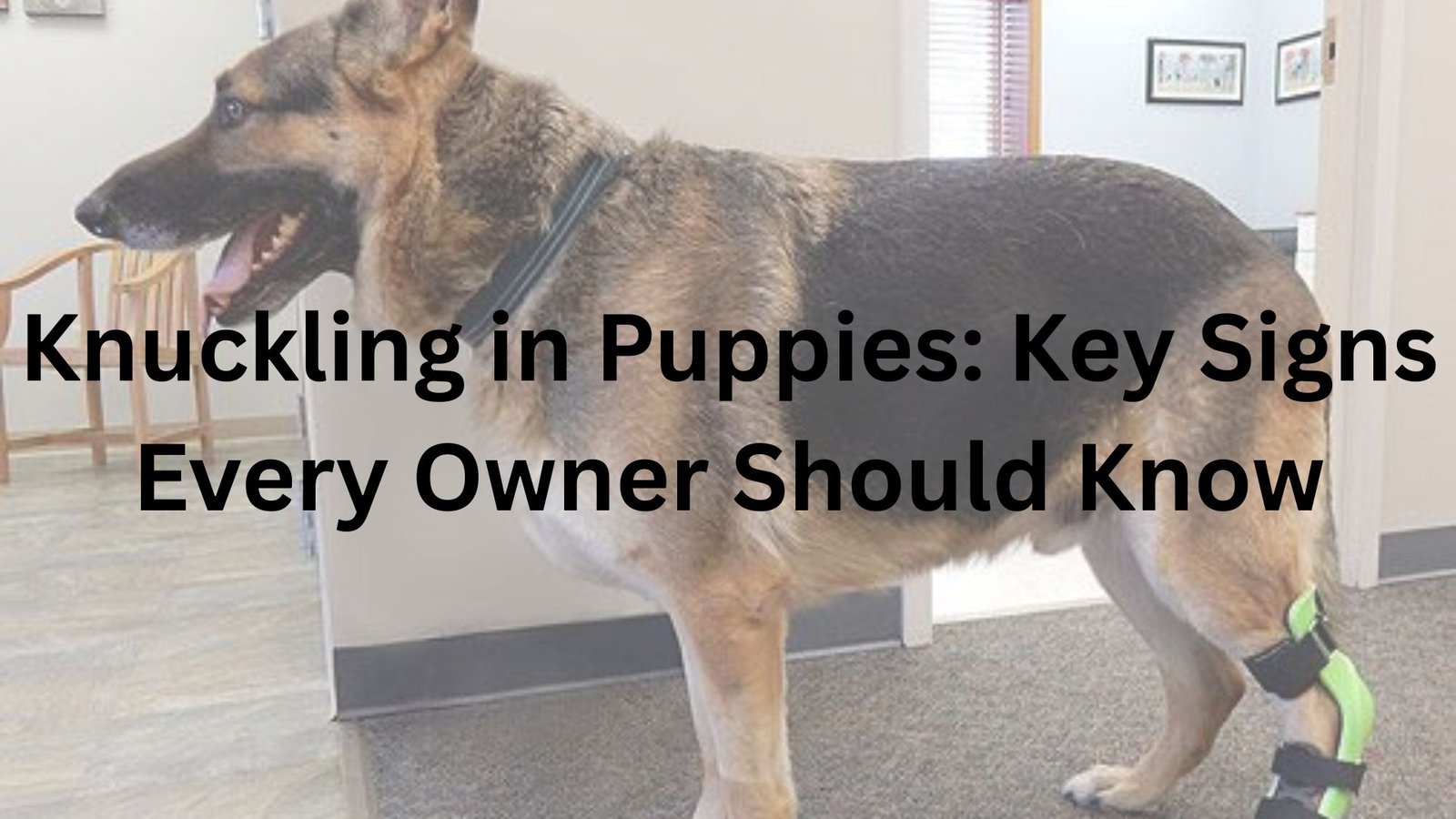
Special equipment can help puppies with knuckling walk more comfortably. Foot braces designed specifically for knuckling hold the paw in the correct position while the puppy heals. These braces support the joints and prevent further injury.
Toe grips provide traction on slippery floors, making it easier for your puppy to walk safely. Mobility aids like carts or slings might help puppies with severe cases. Protective boots keep the paw from getting scraped or injured while knuckling.
Recovery and Prognosis

The recovery timeline for knuckling in puppies varies based on the cause. Some puppies recover in 2 to 6 weeks with proper care and treatment. These cases usually involve temporary muscle weakness or minor injuries.
Other puppies may grow out of the condition as they mature and their bodies finish developing. Some dogs need lifelong management if the cause is permanent. Certain conditions, like degenerative myelopathy, have no cure and require ongoing support.
The goal is always to maintain the best quality of life possible for your puppy. With the right care, many dogs with knuckling can live happy, comfortable lives even if the condition doesn’t completely go away.
Tips for Helping Your Puppy at Home
You can take several steps at home to help your puppy recover. Simple changes to your puppy’s environment make a big difference.
Keep your puppy off slippery surfaces as much as possible. Use grass, rubber mats, or carpet instead of tile or hardwood floors. Make sure your puppy stays in a warm environment, as cold can make muscles tighter and weaker. Rotate your puppy every few hours when they’re resting to prevent stiffness.
During recovery, you should:
- Avoid walks or physical play
- Keep activity levels low
- Provide soft, supportive bedding
- Give medications exactly as prescribed
- Attend all follow-up vet appointments
Always follow your veterinarian’s advice about how much movement is safe. Too much activity can make knuckling worse, but some gentle movement may be needed for recovery. Your vet will tell you what’s best for your specific puppy.
Conclusion
Knuckling in puppies is a serious condition that needs veterinary attention. If you notice your puppy walking on the top of their paws, contact your vet immediately. Don’t wait to see if it gets better on its own.
Early intervention gives your puppy the best chance for a full recovery. The sooner treatment starts, the better the outcome tends to be. Many puppies respond well to treatment when it begins quickly.
A combination of proper diagnosis, appropriate treatment, and supportive home care works best. Your vet will guide you through the process and help you understand what your puppy needs. Stay in close contact with your veterinary team throughout treatment.
If you see any signs of knuckling in your puppy, make that call today. Your quick action could make all the difference in your puppy’s health and happiness.
Frequently Asked Questions
Can Knuckling in Puppies Be Prevented?
You can reduce risk by providing proper nutrition, avoiding slippery floors, and preventing rapid growth in large breeds. However, genetic causes and some medical conditions cannot be prevented. Regular vet checkups help catch problems early.
Is Knuckling Painful for My Puppy?
Knuckling itself may not hurt, but it can lead to painful complications. Dragging paws can cause scrapes, infections, and sores. The underlying cause, like an injury or nerve problem, might also be painful for your puppy.
Will My Puppy Outgrow Knuckling on Its Own?
Some puppies do outgrow knuckling as they mature, especially if caused by temporary muscle weakness. However, many cases need veterinary intervention and won’t resolve naturally. Never assume your puppy will get better without treatment.
Can I Still Exercise My Puppy if They Have Knuckling?
Restrict activity during treatment based on your vet’s recommendations. Too much exercise can worsen the condition and delay healing. Once your vet approves, you can gradually increase safe, supervised activity on appropriate surfaces.
What’s the Difference Between Knuckling and Other Mobility Issues?
Knuckling specifically involves walking on the top of the paw rather than the pads. Limping usually keeps the paw in its normal position but reduces weight bearing. Dragging involves pulling the leg behind without proper lifting.