
It can be worrying to see your dog with a dripping nose, and many pet owners feel the same concern. Dogs usually have moist noses because their glands produce a small amount of mucus, and they often lick their nose to keep them soft and comfortable. This moisture also helps them sense smells more clearly.
A light, clear drip is normally fine, but discharge that turns yellow, green, cloudy, or bloody can signal a problem. Constant dripping that lasts beyond a day should be taken seriously. Issues such as allergies, infections, or blockages can all cause changes in the nose, and some conditions need prompt care.
This guide helps you understand what different types of discharge can mean and when a vet visit is needed. With the right attention, you can support your dog and act at the right time.
Why Do Dogs Have Wet Noses Normally?

Dogs have 220 million smell receptors, so nose moisture is essential for picking up scents. Glands produce mucus to prevent dirt from reaching the airways, and moisture helps with temperature regulation.
Small amounts of thin, clear discharge are normal after excitement, activity, or in warm temperatures. This usually resolves within a few hours without concern.
Worry if discharge is cloudy, yellow, green, bloody, or lasts beyond a day. One nostril dripping may indicate blockage, and constant dripping in senior dogs needs veterinary attention.
Common Causes of Dog Nose Dripping
Your dog’s nose can drip for many reasons, from simple allergies to serious infections.
- Allergies are the most common cause of abnormal nasal discharge, triggered by environmental allergens, foods, or even human dander.
- Nasal blockages from foreign objects, infections, tumors, or dental problems often show discharge from one nostril with sneezing and pawing.
- Respiratory infections (bacterial, viral, or fungal) cause mucus or pus discharge with sneezing, coughing, and bad odor, especially in senior dogs.
- Dental issues like tooth root abscesses and oronasal fistulas cause nasal discharge and are more common in older dogs.
- Polyps and tumors cause blood, pus, or mucus discharge with noisy breathing and swelling, requiring surgery or radiation.
- Congenital problems like cleft palate allow food and water into the nose, almost always requiring surgical correction.
- Distemper causes sticky yellow discharge with fever and convulsions, preventable through proper vaccination schedules.
- Trauma, fungal infections, and parasites like nasal mites can also cause persistent nasal discharge needing veterinary treatment.
- Rocky Mountain spotted fever from infected ticks causes nosebleeds, high fever, and lethargy, treatable with several weeks of antibiotics.
Understanding Discharge Colors and What They Mean
The color and consistency of your dog’s discharge can indicate whether it’s a minor issue or a serious infection requiring immediate veterinary attention.
Clear Discharge

Clear discharge is usually the least concerning type. It often means allergies or minor irritation.
If it’s a small amount and temporary, just monitor it. Watch for changes in color or other symptoms developing.
Yellow or Green Discharge

Yellow or green means infection. Your dog has bacteria or fungus growing somewhere.
This always needs veterinary attention. Your vet will prescribe antibiotics or antifungal medication, depending on what’s causing it.
Cloudy Discharge

Cloudy discharge signals infection or inflammation. It’s not as severe as yellow or green but still needs checking.
Don’t wait to see if it clears up on its own. Get your dog to the vet for proper diagnosis and treatment.
Bloody Discharge

Blood in the discharge can mean trauma, a tumor, or a bleeding disorder. This requires immediate veterinary care.
Never ignore bloody discharge. It might be a sign of something serious that needs urgent treatment.
Mucus or Pus

Thick mucus or pus indicates infection. It could also mean a tumor or polyp.
This needs prompt treatment before the infection spreads. Your vet will determine the cause and start appropriate therapy.
When to See a Veterinarian?
Know when you can monitor at home and when your dog needs immediate professional care.
Monitor at Home If
You can watch at home if there’s just a small amount of clear discharge. No other symptoms should be present.
Duration should be less than a few hours. Your dog should be acting normally, otherwise, eating well, and playing like usual.
Contact Vet If You Notice
Call the vet if you see congestion, noisy breathing, discolored discharge, lethargy, coughing, eye discharge, loss of appetite, face swelling, discharge lasting over a day, one nostril dripping, or behavior changes.
These symptoms mean something serious is happening, and your dog needs professional help.
Emergency Situations
Some situations can’t wait. Get to the emergency vet immediately.
Rush to the vet for difficulty breathing, continuous bleeding that won’t stop, severe face or nose swelling, obvious distress or pain, and collapse or weakness. Minutes matter in these emergencies.
What to Expect at the Veterinary Visit?
Your vet will ask questions, examine your dog thoroughly, and may run tests to find the cause.
History and Questions
Your vet will ask detailed questions about the symptoms. When did the discharge start? What color is it?
They’ll want to know about other symptoms, recent activities, and your dog’s medical history. Be ready with this information to help the diagnosis go faster.
Physical Examination
The vet will listen to your dog’s heart and lungs. They’ll look inside the nose and mouth carefully.
They check for swelling, pain, and examine the eyes and ears too. This overall health assessment helps find problems you might have missed.
Diagnostic Tests
Your vet might do a nasal swab to look at the discharge under a microscope. Blood work can show systemic issues.
Dental X-rays check for tooth problems. A rhinoscopy uses a scope to look deep inside the nose. Advanced imaging, like CT scans, might be necessary for complex cases.
Treatment Options Based on Cause
Treatment depends on what’s causing the dripping and can range from home care to medications or surgery.
Home Care While Monitoring
Keep watching for worsening signs. Make sure your dog drinks plenty of water.
Keep the nose area clean and comfortable. Warm up canned food so your dog can smell it better if their appetite is low. A humidifier can loosen mucus if there are no other symptoms.
Medical Treatments
Treatment depends on what’s causing the dripping. Bacterial infections require antibiotics for several weeks.
Fungal infections need special antifungal drugs. Allergies respond to antihistamines, steroids, or other medications. Pain meds help if your dog is uncomfortable.
Surgical Interventions
Some problems need surgery to fix. Foreign objects must be removed professionally.
Polyps, tumors, and cleft palates require surgical repair. Dental problems might need tooth extractions. Your vet will explain what surgery involves and what to expect.
Supportive Care
Your dog might need extra support during recovery. This includes hydration help and nutritional support.
Follow-up care and monitoring ensure healing happens properly. Your vet manages any secondary symptoms that develop.
Special Considerations for Senior Dogs
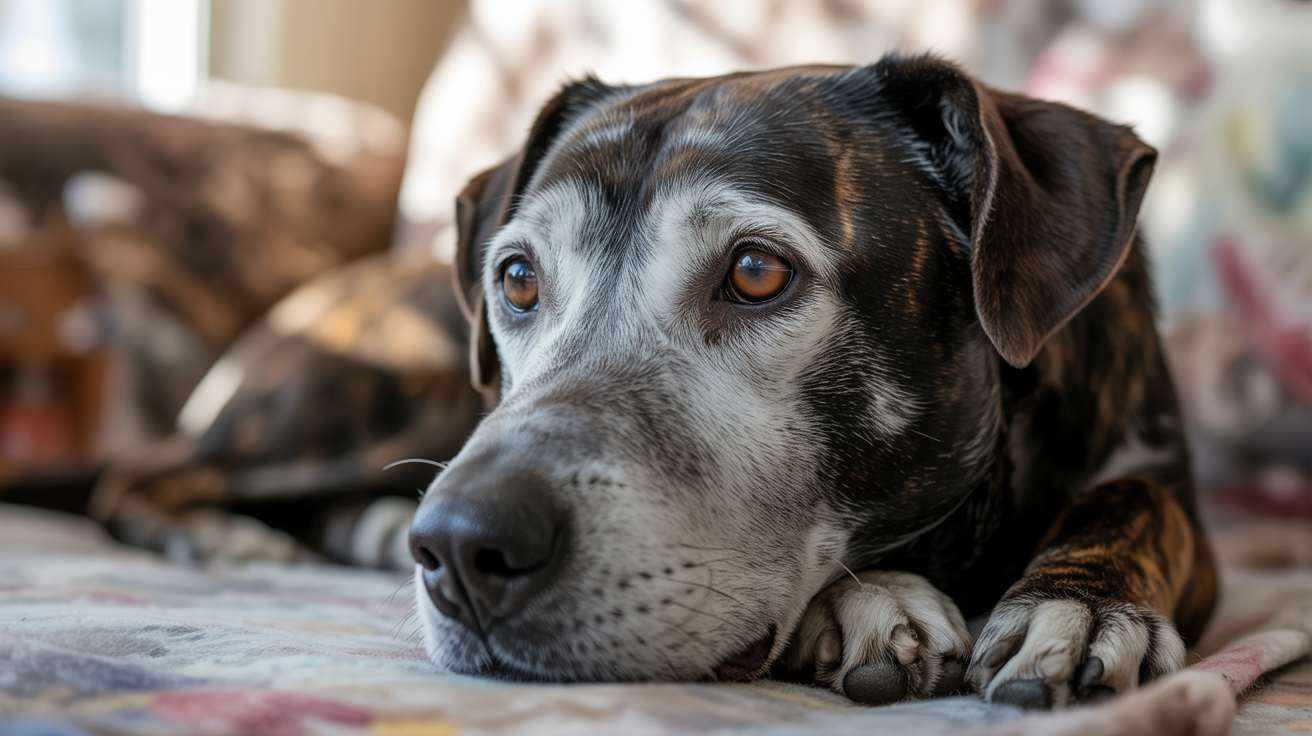
Older dogs face higher risks and need closer monitoring since their immune systems are weaker.
Why Senior Dogs Are More Vulnerable
Older dogs have weakened immune systems. They catch infections more easily than younger dogs.
Senior dogs face a higher risk of tumors. Dental issues become more common with age. They may have underlying diseases you don’t know about yet.
Monitoring Senior Dogs
Watch your senior dog closely between vet appointments. Act with caution if discharge persists.
Don’t dismiss symptoms as just old age. Regular veterinary checkups catch problems early when they’re easier to treat.
Prevention Tips
Prevent nose-dripping problems with regular care, environmental management, and smart safety habits.
- Schedule annual or biannual vet checkups and keep up with all vaccinations to catch problems early.
- Identify allergens and minimize exposure, use air purifiers, and keep your home clean to reduce dust and mold.
- Use anti-tick products year-round and check for ticks after outdoor activities to prevent tick-borne diseases.
- Supervise outdoor play, keep small objects out of reach, and store toxic substances safely away from curious noses.
- Learn what your dog’s healthy nose looks like so you can recognize changes quickly and trust your instincts for early detection.
Conclusion
A dripping nose in a dog can come from mild allergies, infections, or more serious health concerns. Clear discharge that lasts only a short time is usually fine to watch, but yellow, green, cloudy, or bloody discharge should be checked by a vet.
Discharge from a single nostril can mean something is stuck inside, so it needs attention. Older dogs need closer monitoring because they can develop infections or growths more easily. Noticing small changes early helps you respond at the right time.
If you are unsure about the cause, contact your vet as soon as possible. Early care can prevent complications and support a faster recovery. Your quick response may catch a serious issue before it grows worse.
Frequently Asked Questions
Is it normal for my dog’s nose to drip clear liquid?
Yes, small amounts of thin, clear discharge are normal, especially after activity or in warm weather. Dogs sweat through their nose and paw pads. If the clear discharge is brief (a few hours) with no other symptoms, just monitor it. Persistent, clear discharge may indicate allergies.
When should I worry about my dog’s runny nose?
Worry if discharge is yellow, green, cloudy, or bloody. Also concerned if dripping lasts more than a day, comes from only one nostril, or accompanies other symptoms like coughing, lethargy, or loss of appetite. These signs need veterinary attention.
Can I treat my dog’s runny nose at home?
For minor clear discharge, you can monitor at home, keep your dog hydrated, and use a humidifier. For a dry nose from allergies, apply coconut oil or pet-safe nose balm. However, don’t delay vet care for persistent, discolored, or bloody discharge.
What does yellow or green nasal discharge mean?
Yellow or green discharge indicates bacterial or fungal infection. This always requires veterinary attention and treatment with antibiotics or antifungal medications. Left untreated, respiratory infections can progress to pneumonia or spread to other areas.
Why is my senior dog’s nose dripping more than before?
Senior dogs are more vulnerable to nasal discharge due to weakened immune systems, a higher risk of tumors, dental problems, and underlying diseases. Don’t dismiss it as normal aging. Persistent discharge in older dogs should be evaluated by a veterinarian promptly.