
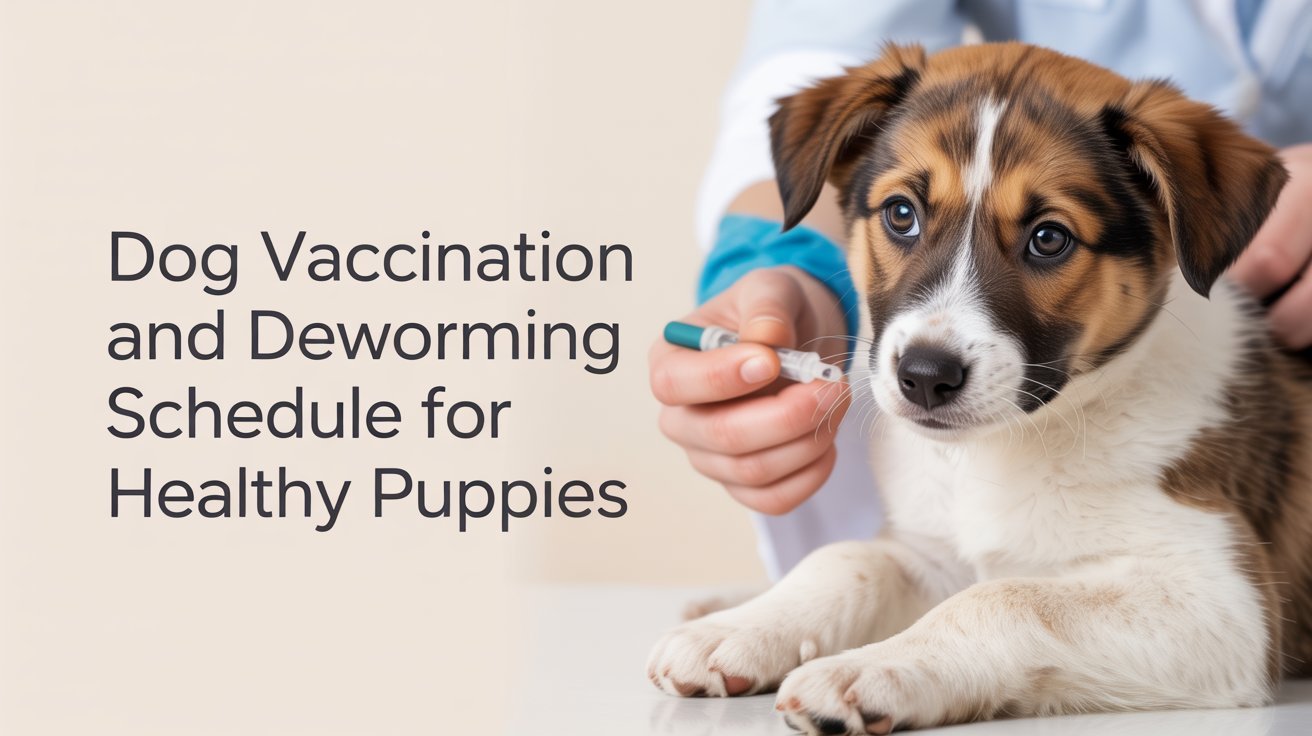
Bringing home a new puppy is exciting, but keeping them healthy requires planning. Your puppy’s immune system needs help fighting off dangerous diseases. That’s where vaccines come in. At the same time, most puppies are born with or pick up intestinal worms that can make them very sick.
A proper dog vaccination and deworming schedule protects your puppy from both threats. Vaccines train their immune system to fight diseases like parvovirus and distemper. Deworming medicines kill parasites that steal nutrients and cause serious health problems.
In this guide, you’ll learn exactly when your puppy needs each vaccine and deworming treatment. We’ll cover the types of shots your dog needs, why deworming matters so much, and practical tips to stay on track. Let’s give your puppy the healthy start they deserve.
Complete Dog Vaccination and Deworming Schedule by Age

Following a dog vaccination and deworming schedule by age ensures your puppy gets protection at the right times. Here’s what to expect during your puppy’s first few months.
6 to 8 Weeks Old: Starting Your Puppy’s Protection
Your puppy’s first vet visit happens around 6 to 8 weeks of age. At this appointment, they’ll receive their first DHPP vaccine, which protects against four serious diseases: distemper, hepatitis, parvovirus, and parainfluenza. Your vet may also offer optional vaccines like Bordetella (kennel cough), Leptospira, Lyme disease, or canine influenza, depending on your puppy’s lifestyle and risk factors.
This visit also includes the first deworming treatment. Most puppies have roundworms or other intestinal parasites, even if they look healthy. The deworming medicine kills these parasites and helps your puppy absorb nutrients properly. Your vet will choose the right medication based on your puppy’s weight and health.
10 to 12 Weeks Old: Essential Booster Shots
About three to four weeks after the first visit, your puppy returns for booster shots. They’ll get their second DHPP vaccine, which strengthens the protection from the first dose. This is also when most puppies receive their rabies vaccine, which is required by law in all states.
If your puppy started any optional vaccines at the first visit, they’ll need boosters for those, too. The vet will also give a second deworming treatment to catch any parasites that survived the first round or were picked up since then. These repeat treatments are important because puppies can get reinfected easily from their environment.
14 to 16 Weeks Old: Final Puppy Vaccinations
The third vet visit completes your puppy’s initial vaccine series. They’ll receive their final DHPP booster, which provides full protection against those four diseases. If your puppy got the Bordetella vaccine earlier, they’ll need a second dose now to complete that series.
Your vet will examine a stool sample to check for any remaining parasites. Based on the results, they’ll decide if your puppy needs another deworming treatment. After this visit, your puppy is considered fully vaccinated for their puppy series.
Deworming Timeline for Puppies
Professional breeders actually start deworming puppies at 2 to 3 weeks old, before any vaccines. This early treatment catches parasites passed from the mother dog. The process continues every 2 to 3 weeks until the puppy reaches 12 weeks old.
After the puppy series, deworming continues but less often. Most vets recommend treatments every 3 to 6 months, depending on your dog’s lifestyle. Dogs that eat things off the ground, visit dog parks often, or live in areas with lots of wildlife need more frequent deworming. Adult dogs should get fecal tests at their yearly checkups to determine if they need treatment.
Understanding Core Vaccines for Your Puppy

Some vaccines are considered “core” because every puppy needs them, while others are optional based on lifestyle. Let’s break down what each vaccine does.
DHPP Vaccine: Your Puppy’s Primary Shield
The DHPP is a combination vaccine that protects against four dangerous diseases. Distemper is a viral disease that attacks the nervous system and is often fatal. Hepatitis damages the liver and can cause serious organ failure. Parvovirus is extremely contagious and causes severe vomiting and diarrhea that can kill puppies within days.
Parainfluenza is one of the viruses that causes kennel cough, leading to a harsh, persistent cough. All four of these diseases spread easily between dogs and can be deadly, especially in puppies. That’s why the DHPP is the foundation of any dog vaccination and deworming schedule.
Rabies Vaccine: Legal Requirement and Life Saver
Every state requires dogs to get rabies vaccines because the disease is always fatal and can spread to humans. Puppies get their first rabies shot between 12 and 16 weeks old. The initial vaccine is good for one year, then your dog gets boosters every three years after that.
You’ll need proof of rabies vaccination for dog licenses, boarding facilities, groomers, and travel. Many places won’t accept your dog without current rabies paperwork. Beyond the legal requirements, this vaccine protects your dog from a horrible disease with no cure.
Optional Vaccines Based on Lifestyle
The Bordetella vaccine prevents kennel cough, which spreads quickly in places where dogs gather. If your dog goes to daycare, boarding, dog parks, or training classes, they need this vaccine. Most facilities require it before allowing your dog inside.
The Leptospira vaccine protects against a bacterial disease spread through contaminated water and wildlife urine. Dogs who hike, swim in lakes, or live in rural areas face a higher risk. The Lyme disease vaccine helps prevent tick-borne illness in areas where Lyme is common. Canine influenza vaccines may be recommended during outbreaks in your area. Talk to your vet about which optional vaccines make sense for your dog’s lifestyle.
Why Deworming is Critical for Puppy Health?

Intestinal parasites are incredibly common in puppies. The main types include roundworms, hookworms, tapeworms, and whipworms. Each type causes different problems, but all of them steal nutrients from your growing puppy.
Puppies get worms in several ways. Many are born with roundworms passed from their mother during pregnancy. Others pick up parasites from their mother’s milk, contaminated soil, or feces from infected animals. Puppies who eat bugs, rodents, or drink from puddles face an even higher risk.
Untreated worm infections cause serious health problems. Infected puppies may have diarrhea, vomiting, a bloated belly, and a dull coat. They don’t gain weight properly because the worms steal their nutrition. Severe infections can cause anemia from blood loss, especially with hookworms. In the worst cases, heavy worm burdens can be fatal. Some worms also infect humans, especially children, so treating your puppy protects your whole family.
Tips for Managing Your Puppy’s Vaccination Schedule
Staying on top of your puppy’s health schedule takes organization. A good system helps you remember appointments and keeps your puppy fully protected.
Start by creating a record system. Keep your puppy’s vaccination card in a safe place, or take photos and store them digitally. Many vet clinics now offer apps where you can access your pet’s records anytime.
Set calendar reminders on your phone for upcoming booster shots. It’s easy to forget dates when you’re busy with a new puppy.
Here are more ways to stay organized:
- Pick one vet clinic and stick with it for consistency
- Tell your vet about your puppy’s lifestyle so they can recommend the right optional vaccines
- Watch your puppy closely for 24 to 48 hours after each vaccine appointment
- Schedule vaccines when you can socialize your puppy safely
- Never skip doses because an incomplete series won’t provide full protection
- Ask about combination vaccines to reduce the number of vet visits
- Keep your vet’s phone number handy in case of reactions
Building a relationship with one vet helps them understand your puppy’s individual needs. They can adjust the dog vaccination and deworming schedule based on your specific situation and local disease risks.
Conclusion
Following a complete dog vaccination and deworming schedule is one of the most important things you can do for your new puppy. These preventive measures protect against deadly diseases and harmful parasites that could otherwise cause serious illness or death.
Think of vaccines and deworming as an investment in your dog’s future health. The cost and time spent now prevent much bigger problems later. While this guide provides a general timeline, remember that every puppy is different.
Don’t hesitate to ask your vet questions about your dog’s vaccination and deworming schedule. They can explain why each treatment matters and help you make the best choices for your puppy. By staying on top of these appointments, you’re giving your new best friend the healthy, happy life they deserve.
Frequently Asked Questions
Can I Vaccinate My Puppy At Home?
Some vaccines are available for home use, but most vets don’t recommend this for puppies. Your vet needs to examine your puppy, ensure proper vaccine storage and handling, and watch for allergic reactions. Rabies vaccines must be given by a licensed vet to be legally valid.
What Happens If I Miss A Scheduled Vaccine?
Call your vet right away to reschedule. If too much time has passed, your puppy might need to restart the series. Missing boosters can leave gaps in protection. Your vet will decide the best way to get back on track based on how late the vaccine is.
Are There Any Side Effects I Should Watch For After Vaccination?
Mild soreness, tiredness, and slight fever are normal and usually go away within a day. Watch for severe reactions like facial swelling, hives, vomiting, diarrhea, or trouble breathing. These rare reactions need immediate emergency care. Call your vet if anything seems concerning.
How Much Do Puppy Vaccinations Typically Cost?
Expect to pay $75 to $200 per visit, depending on which vaccines your puppy receives. Core vaccines cost less than optional ones. Many clinics offer puppy packages that bundle the complete series at a discount. Low-cost vaccine clinics provide basic shots for less money.
Do Adult Dogs Need Booster Shots After The Puppy Series?
Yes, adult dogs need ongoing boosters to stay protected. DHPP boosters are given every one to three years, depending on the vaccine type and local laws. Rabies boosters are required every three years. Optional vaccines like Bordetella may need yearly boosters, especially for social dogs.