

Water keeps your dog alive. Without enough of it, your dog’s body starts to shut down fast. This can happen in just hours, not days.
Dog dehydration happens when your pet loses more water than they drink. It’s a serious problem that can lead to organ failure or even death. Many dog owners miss the early warning signs until it’s too late.
This guide will show you what causes dog dehydration, how to spot it early, and what to do about it. You’ll learn simple ways to keep your dog safe and healthy. Knowing these facts could save your dog’s life.
What Is Dog Dehydration?

Dog dehydration occurs when your pet’s body loses more fluid than it takes in. This creates an imbalance that affects every part of their body. Even a small loss of fluids can cause serious problems.
Water does important work in your dog’s body. It controls their temperature when they get hot. It keeps their organs working right and helps their joints move smoothly. Water also helps them digest food and get rid of waste.
When dogs lose water, they also lose electrolytes like sodium, chloride, and potassium. These minerals help nerves send signals and muscles work properly. They keep the heart beating at the right rhythm. Losing too many electrolytes makes dehydration even more dangerous. The problem can be mild, moderate, or severe depending on how much fluid is lost.
Main Causes of Dehydration in Dogs

Many things can cause your dog to lose too much water. Understanding these causes helps you protect your pet.
Lack of Adequate Water Intake
Some dogs don’t drink enough water each day. Maybe their bowl is empty, dirty, or hard to reach. Older dogs might forget to drink, or their water might freeze in cold weather.
Other dogs are just picky. They might not like the taste of tap water or prefer running water. Some dogs get distracted playing and forget to drink. If your dog won’t drink enough, they’ll slowly become dehydrated.
Vomiting and Diarrhea
These digestive problems cause rapid fluid loss. When dogs throw up or have diarrhea, they lose water and electrolytes fast. This is one of the most common causes of dog dehydration.
A single bout of vomiting might not cause problems. But repeated episodes over hours or days can be dangerous. Chronic conditions like inflammatory bowel disease can lead to ongoing fluid loss.
Heatstroke and Hot Weather
Dogs cool down by panting, which releases water from their bodies. On hot days or during hard exercise, they pant more and lose more fluid. This can quickly lead to dehydration.
Never leave your dog in a parked car, even for a few minutes. Temperatures inside cars rise fast and can cause deadly heatstroke. Running or playing too hard in the heat also puts dogs at risk.
Underlying Medical Conditions
Several diseases make dogs lose more water than normal. Kidney disease stops the body from holding onto fluids properly. Dogs with kidney problems pee more and need more water.
Diabetes causes increased thirst and urination, leading to fluid loss. Cushing’s disease does the same thing. Any illness that causes fever makes dogs lose water through panting and increased body temperature.
Special Risk Factors
Puppies get dehydrated faster than adult dogs. Parvovirus, intestinal parasites, and swallowed objects can all cause severe fluid loss in young dogs. Their small bodies can’t handle much water loss.
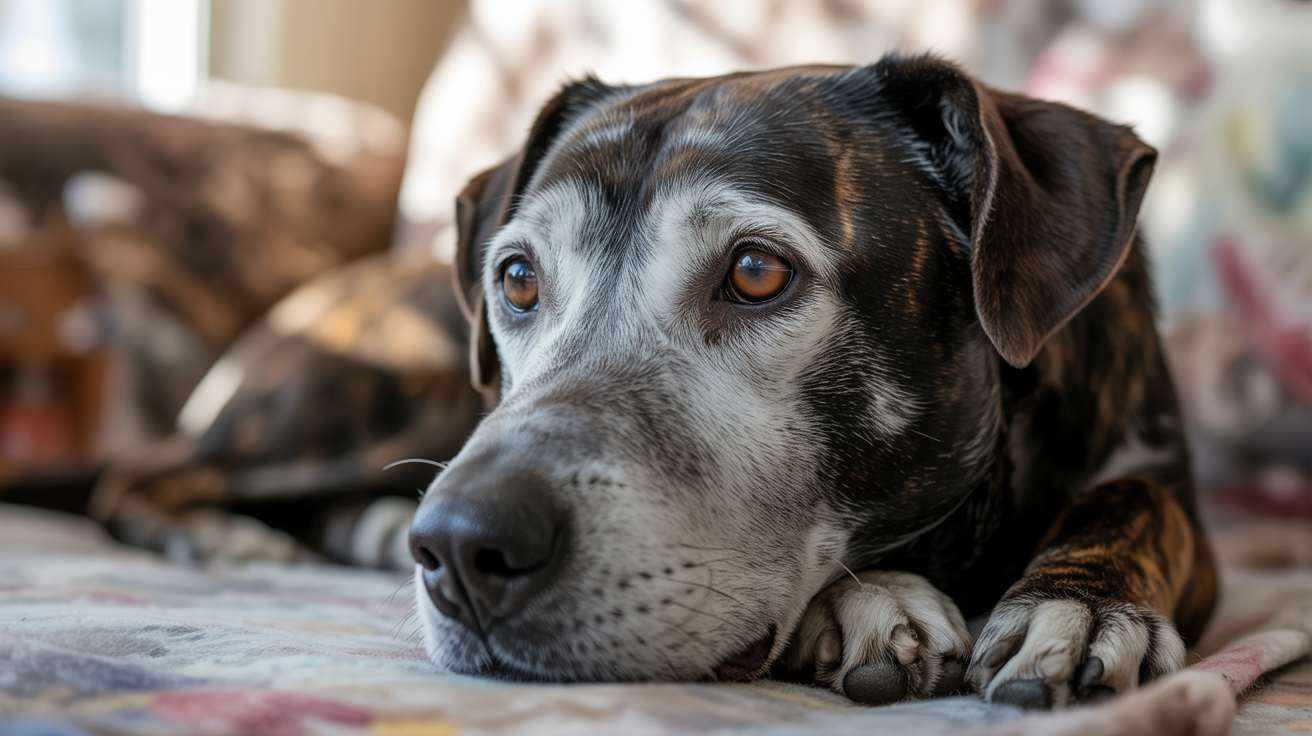
Senior dogs often have health problems that increase their risk. Nursing mothers need extra water to make milk for their puppies. Toy breeds have less body mass, so even small amounts of fluid loss affect them more.
How to Treat Dog Dehydration Effectively?

Quick action is important when you spot signs of dog dehydration. The right treatment depends on how severe the problem is.
At-Home Treatment for Mild Cases
For minor dehydration, offer your dog small amounts of cool, fresh water. Don’t let them gulp large amounts at once, as this might cause vomiting. Give them a few laps every few minutes.
A small dog might need a quarter cup of water at a time. Medium dogs can handle half a cup. Large dogs can drink up to one cup. You can also try electrolyte solutions like Pedialyte, but ask your vet first about the right amount.
When to Seek Immediate Veterinary Care
Some signs mean your dog needs emergency help right away. If they won’t drink at all, can’t stand up, or have sunken eyes, go to the vet immediately. Constant vomiting or diarrhea also requires professional care.
Tell your vet how long the symptoms have lasted. Mention what your dog ate or drank recently. Share any other health problems your dog has. This information helps them provide the best treatment.
Professional Veterinary Treatment
Vets have several ways to treat dog dehydration. For moderate cases, they might give subcutaneous fluids under the skin. These fluids absorb slowly into the body over several hours.
Severe cases need intravenous fluids through an IV catheter. This puts fluids directly into the bloodstream for faster results. Your vet might run blood tests, take X-rays, or check urine samples to find the cause. They’ll treat any underlying illness causing the dehydration. Most dogs stay at the clinic for monitoring until they’re stable.
Warning Signs of Dehydration in Dogs

Learning to spot dog dehydration early can save your pet’s life. Watch for these common signs.
The skin elasticity test is simple and reliable. Gently pull up the skin on your dog’s neck or between their shoulder blades. Let it go and watch how fast it falls back. In a healthy dog, the skin snaps back right away. If it stays up or falls slowly, your dog might be dehydrated.
Other warning signs include:
- Gums that feel sticky or tacky instead of wet and slippery
- Gums that look dull or pale instead of pink and shiny
- Slow capillary refill time (press the gum and see if the pink color returns slowly)
- A dry nose (though this alone isn’t always a sign)
- Thick, stringy saliva that looks like syrup
- Eyes that look sunken into the head
- No interest in food or treats
- Low energy, weakness, or sleeping more than usual
- Heavy panting when not hot or exercising
Check your dog regularly, especially in hot weather or when they’re sick. Catching dehydration early makes treatment easier and safer.
Prevention Tips: Keeping Your Dog Hydrated
Stopping dog dehydration before it starts is easier than treating it. These simple steps keep your dog safe and healthy.
Make sure your dog always has access to clean water. Dogs need at least one ounce of water for every pound they weigh each day. A 50-pound dog needs at least 50 ounces of water daily.
Follow these prevention tips:
- Check and refill water bowls several times a day
- Clean bowls daily to remove dirt and slime
- Bring extra water on walks and trips
- Offer more water during exercise and on hot days
- Keep vaccinations current to prevent diseases like parvovirus
- Use parasite prevention to stop worms that cause diarrhea
- Keep toxic foods and objects away from your dog
- Take your dog for regular vet checkups
- Try a pet water fountain if your dog likes running water
- Add a little low-sodium bone broth to water for picky drinkers
- Give ice cubes as refreshing treats in summer
These simple habits make a big difference. Most cases of dog dehydration can be stopped with proper care and attention.
Conclusion
Dog dehydration is a serious health emergency that every owner should understand. It can happen quickly and cause lasting harm or death if ignored. But it’s also something you can prevent and treat with the right knowledge.
Watch for early warning signs like sticky gums, slow skin tanning, and low energy. Act fast when you notice these symptoms. Mild cases can be handled at home, but don’t wait to call your vet if things seem serious.
Prevention is always better than treatment. Keep fresh water available at all times. Pay extra attention during hot weather and after exercise. Regular vet visits help catch health problems before they cause dehydration. Trust your instincts as a pet owner. If something seems wrong with your dog, contact your veterinarian right away.
Frequently Asked Questions
Can Dogs Drink Gatorade or Sports Drinks?
Plain Pedialyte is safer than Gatorade for dogs. Sports drinks contain too much sugar and artificial ingredients. Always dilute Pedialyte with water and ask your vet about the right amount for your dog’s size.
How Long Can a Dog Go Without Water?
Dogs can survive about three days without water, but damage starts much sooner. Healthy dogs shouldn’t go more than 6 to 10 hours without drinking. Puppies, seniors, and sick dogs need water more often.
Does Wet Dog Food Help Prevent Dehydration?
Yes, wet food contains 70 to 80 percent water and adds to your dog’s daily fluid intake. But it shouldn’t replace drinking water. Dogs still need access to fresh water even when eating wet food.
Can Dogs Get Dehydrated in Winter?
Yes, cold-weather dehydration happens when water bowls freeze or when dogs don’t drink enough. Dry indoor heating also increases water needs. Check bowls often in winter and consider using heated water bowls.
Are Certain Dog Breeds More Prone to Dehydration?
Brachycephalic breeds like Bulldogs and Pugs overheat easily and need more water. Wrinkly breeds like Shar Peis can develop skin infections if dehydrated. Very small and very large breeds also face higher risks.