
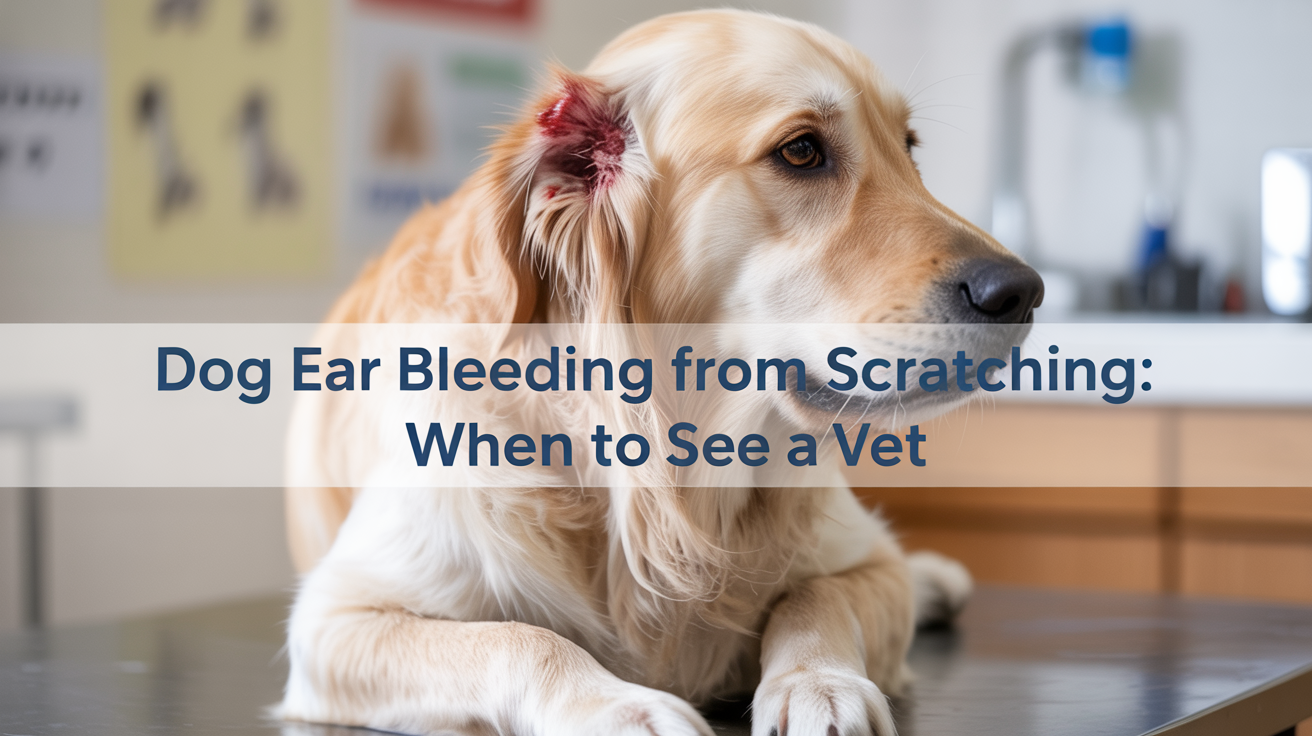
Your dog won’t stop scratching their ear, and now there’s blood. You’re worried, maybe a little scared, and you need answers fast. I get it. Seeing your pup in discomfort is tough.
This guide will walk you through why dog ears bleed from scratching, what signs mean trouble, and exactly when you need to call the vet. No fluff or medical jargon here. Just clear, practical advice you can use right now to help your dog feel better.
I’ve spent years working with pet owners facing this exact situation. Some ear scratching is normal. But bleeding?
That’s your dog telling you something’s wrong, maybe an infection, allergies, or ear mites. You’ll learn to spot the difference between “wait and see” and “get help now.” Let’s figure this out together and get your furry friend some relief.
Why Dogs Scratch Their Ears Until They Bleed?

Your dog isn’t scratching to annoy you. Something is genuinely bothering them. Let me break down the most common reasons I see dogs scratch until their ears bleed.
- Ear Canal Inflammation: Swelling inside the ear causes serious pain, making your dog scratch desperately for relief. This inflammation is usually a sign that something deeper is wrong, not the problem itself.
- Ear Infections: Bacterial, yeast, or fungal infections are the most common reason dogs scratch until they bleed, causing constant head shaking and digging. Dogs with floppy ears, like Beagles and Spaniels, are especially prone, often showing foul odor or discharge.
- Parasitic Infestations: Ear mites, fleas, and ticks cause intense itching that drives dogs to scratch violently, sometimes creating open wounds. These parasites can trigger parasitic otitis, swelling, and inflammation of the entire ear canal.
- Aural Hematomas: Repeated scratching or hard head shaking breaks blood vessels inside the ear flap, creating blood blisters between skin and cartilage. These may bleed if they rupture from continued scratching.
- Trauma Injuries: Hard head shaking and excessive scratching with sharp nails can cause cuts that bleed heavily. Grooming accidents, rough play, or fights with other dogs are also common triggers.
- Allergies: Food or environmental allergies make ears unbearably itchy and inflamed, leading to compulsive scratching. The constant scratching of inflamed skin causes bleeding quickly.
- Tumors or Polyps: Growths inside the ear canal may appear as oozing, crusty masses that bleed when your dog scratches them. These need veterinary attention to identify and treat properly.
Symptoms to Watch When a Dog’s Ear Bleeds From Scratching
Knowing what to look for can save your dog from serious complications. Here are the warning signs you need to watch for when your dog’s ear is bleeding from scratching.
- Visible Blood: You’ll see fresh or dried blood on the ear rim or inside the canal, sometimes with scabs showing previous bleeding episodes. Dark brown or red earwax might indicate a damaged eardrum; this is serious and needs immediate vet attention.
- Ear Swelling: The ear flap or canal looks puffy, thick, or balloon-like from fluid buildup. Swelling often means hematomas or severe infection developing beneath the surface.
- Persistent Scratching: Your dog won’t leave their ear alone, constantly pawing, digging, or rubbing it against furniture. This compulsive behavior tells you the irritation is intense and getting worse.
- Head Shaking: Excessive, violent head shaking that seems desperate or frantic, sometimes making a flapping sound. Your dog might shake so hard that they stumble or seem dizzy afterward.
- Touch Sensitivity: Your normally friendly dog pulls away or yelps when you try to touch near their ears. They might even growl or snap, not because they’re mean, but because they’re in pain.
- Persistent Scratching: Your dog won’t leave their ear alone, constantly pawing, digging, or rubbing it against furniture. This compulsive behavior tells you the irritation is intense and getting worse.
- Head Shaking: Excessive, violent head shaking that seems desperate or frantic, sometimes making a flapping sound. Your dog might shake so hard that they stumble or seem dizzy afterward.
- Touch Sensitivity: Your normally friendly dog pulls away or yelps when you try to touch near their ears. They might even growl or snap, not because they’re mean, but because they’re in pain.
- Foul Odor: A strong, unpleasant smell coming from the ear, often described as yeasty, musty, or rotten. This almost always means infection and shouldn’t be ignored.
What to Do Immediately When Your Dog’s Ear Is Bleeding?
Don’t panic. I know seeing blood is scary, but staying calm helps your dog stay calm too. Follow these steps to stop the bleeding and protect your dog from further injury.
Step 1: Keep Your Dog Calm and Still

Your first job is damage control. A frantic, moving dog will bleed more and might hurt themselves worse. Gently guide your dog to a quiet room away from other pets and kids.
Speak softly and use a soothing tone. Sit on the floor with them if that helps. The calmer your dog is, the easier everything else becomes.
Step 2: Gather First-Aid Supplies

You need the right tools before you touch that ear. Quick action matters, but you can’t help without supplies.
- Styptic powder, cornstarch, or plain flour (never baking powder or baking soda)
- Clean gauze pads or cotton balls
- Antiseptic ointment for around the wound
Don’t waste time searching everywhere. Use what you have. Even a clean kitchen towel works if you don’t have gauze.
Step 3: Stop the Bleeding

Apply styptic powder or cornstarch directly to the bleeding spot. This helps blood clot faster.
- Press clean gauze against the wound
- Hold steady for 5 to 10 minutes without peeking
- Don’t let your dog shake their head
Still bleeding after 10 minutes? That’s your sign to go to the emergency vet immediately. Some bleeding won’t stop without professional help.
Step 4: Clean Around the Wound

Once bleeding stops, clean the area gently. Use a damp cloth or gauze with warm water to wipe away dried blood around the ear.
Apply antiseptic ointment around the wound, not directly on it. Putting ointment on the wound itself can restart bleeding. Keep it on the surrounding skin only.
Step 5: Bandage the Ear if Necessary

If the wound is large or your dog won’t stop pawing at it, bandaging helps. Fold the ear gently over the top of your dog’s head.
- Make it snug but not tight.
- You should fit 2 to 3 fingers under the bandage
- Check that your dog can breathe comfortably
Watch your dog closely after bandaging. If they seem distressed, the bandage might be too tight. Loosen it immediately and head to the vet for proper care.
Home Remedies to Help Stabilize the Condition

These home remedies can help manage symptoms temporarily, but let me be clear, they are not a substitute for veterinary care. Use these methods to keep your dog comfortable while you arrange a vet visit.
- Apply Pressure: Use clean towels or gauze with clotting powder to stop surface bleeding from scratching. This helps control minor bleeding quickly, but won’t fix the underlying cause, making your dog scratch.
- Gentle Cleaning: Clean only the outer ear with vet-approved ear cleaners; never insert anything deep into the canal. Removing excess wax and debris can reduce some itching temporarily until you get professional treatment.
- Prevent Scratching: Put an Elizabethan collar (cone) on your dog to physically stop them from reaching their ears. Also, reduce triggers like dust, pollen, or strong fragrances around your home that might worsen the irritation.
How Vets Diagnose Ear Bleeding Caused by Scratching?

Your vet needs to figure out what’s causing the scratching before they can treat it. Here’s what happens during a typical ear examination when you bring your bleeding dog in.
- Physical Examination: Your vet uses an otoscope, a lighted tool, to look deep inside your dog’s ear canal and check the eardrum for damage. Some problems, such as hematomas, swelling, or foreign objects, are visible right away without any special equipment.
- Laboratory Tests: The vet may take ear swabs to check for bacteria, yeast, or mites under a microscope. They might also run a complete blood count (CBC) or send samples for culture if they suspect a specific infection type.
- Imaging Studies: X-rays help detect things the vet can’t see with an otoscope, like obstructions deep in the canal, tumors, or severe inflammation. Not every dog needs X-rays, but they’re useful for complicated or recurring ear problems.
Veterinary Treatments for Dog Ear Bleeding From Scratching
Once your vet knows what’s wrong, they’ll create a treatment plan to stop the bleeding and fix the root problem. Here’s what professional treatment typically looks like.
- Medications: Your vet will prescribe topical or oral antibiotics to fight bacterial infections, along with anti-inflammatories or steroids to reduce swelling and pain. If allergies are causing the scratching, anti-itch medications help break the scratch cycle while other treatments work.
- Treating Underlying Causes: Foreign objects are removed, and the ear canal is flushed. Your dog might need sedation for this procedure. Parasites like mites or fleas require specific antiparasitic treatments, while aural hematomas often need surgical drainage to prevent permanent ear deformity.
- Wound Care: For severe bleeding or deep wounds, your vet may stitch the injury closed or apply professional bandaging. This protects the ear while it heals and prevents your dog from causing more damage through scratching or head shaking.
Conclusion
Dog ear bleeding from scratching doesn’t have to be a mystery anymore. You now know the warning signs, common causes, and when it’s time to pick up the phone and call your vet. Trust your instincts; if something feels off, it probably is.
Your dog depends on you to catch these problems early. The sooner you address ear issues, the faster your pup gets relief, and the easier treatment becomes. You’ve got this.
Have questions or want to share your experience? Drop a comment below. Other dog owners would love to hear what worked for you. And if this guide helped, pass it along to a friend who might need it.
Frequently asked questions
Why is my dog’s ear bleeding from scratching?
Dogs scratch their ears until they bleed because something is irritating them, usually ear infections, allergies, ear mites, or foreign objects. The constant scratching damages the Sensitive skin and blood vessels in the ear flap. If your dog won’t stop scratching and you see blood, the underlying issue needs treatment from your vet.
When should I take my dog to the vet for ear bleeding?
See your vet if the bleeding doesn’t stop within a few minutes, your dog shows signs of pain, or you notice swelling, bad odor, or discharge. Also, go immediately if your dog seems dizzy, has a head tilt, or the entire ear is hot and inflamed. Don’t wait for serious symptoms.
Can I treat my dog’s bleeding ear at home?
You can gently clean minor bleeding with a damp cloth and keep your dog calm. However, home treatment won’t fix the root cause, like infections or mites. Never put cotton swabs or medications in your dog’s ear without vet approval. Most cases need professional diagnosis and prescription treatment.
How do I stop my dog from scratching their bleeding ear?
Try an Elizabethan collar (cone) to prevent further scratching while you address the underlying problem. Keep their nails trimmed short. Most importantly, get veterinary treatment for the infection, allergies, or mites causing the itch. Stopping the scratch won’t help if the irritation remains.
What are the signs of a serious dog ear problem?
Watch for heavy bleeding that won’t stop, swollen ear flaps, thick yellow or green discharge, strong foul odor, loss of balance, head tilting, or your dog crying when you touch their ear. These symptoms indicate serious infections or hematomas that need immediate veterinary attention.