
Your dog is panting. Again. You check the thermostat. It’s not hot. You refill the water bowl. Still panting. Something feels off, but your vet said everything’s fine at the last checkup. You’re not imagining this.
Most owners miss the subtle warning signs behind excessive panting. This article breaks down the hidden medical reasons, stress triggers, and environmental factors that cause unusual panting patterns.
I’ll show you when to worry and when to relax. More importantly, you’ll learn what questions to ask your vet.
I’ve spent years working with anxious dog owners who knew something was wrong but couldn’t pinpoint what. Trust that instinct. Your dog can’t tell you what hurts. Panting is their language. Let me help you decode it so you can get real answers instead of brushing off your concerns.
Understanding Dog Excessive Panting

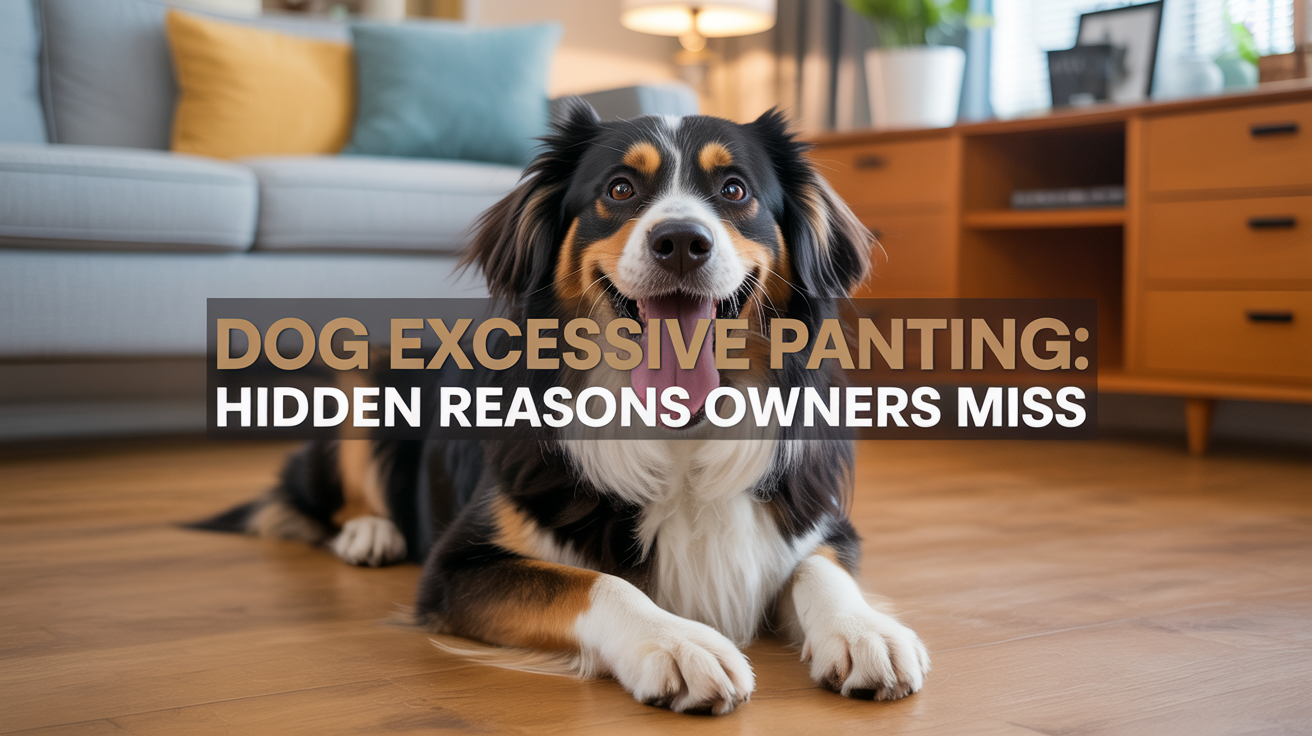
Your dog pants to cool down. That’s it. Dogs don’t sweat as you do. They only have a few sweat glands in their paws. So they use panting instead. Moisture evaporates from their tongue and respiratory tract, releasing heat through convection cooling. You’ll see this after exercise, in hot weather, or when your dog gets excited. All normal.
Here’s what I need you to know about breathing rates: 15–35 breaths per minute is normal at rest. Over 40? That’s abnormal. Mild panting after a quick game should stop within minutes. No problem there.
But watch for red flags. Concerning panting persists without any trigger. It gets worse over time. Or it happens in a cool room when your dog is just lying there. These patterns mean something’s wrong, pain, stress, or a health issue. Don’t ignore panting that doesn’t make sense.
Early Signs of Excessive or Abnormal Panting
Your dog’s behavior and body tell you when something’s wrong. Watch for changes that don’t add up. Panting at rest in a cool room? That’s not normal. Sudden panting when nothing triggered it signals a problem. Check your dog’s gums and breathing patterns right now.
- Gum color changes: Pale, blue, gray, or brick-red gums mean oxygen isn’t circulating properly. Healthy gums are pink and moist, anything else requires immediate attention.
- Restlessness and anxiety: Your dog paces constantly, won’t lie down, or trembles while panting. This combination suggests pain, distress, or a brewing medical emergency.
- Labored breathing effort: Your dog’s stomach muscles visibly work with each breath, or you hear noisy, wheezy sounds. Open-mouth breathing at rest with excessive drooling means respiratory distress or dangerous heat stress.
Hidden Reasons for Dog Excessive Panting
Excessive panting isn’t always obvious. Sometimes the cause hides beneath the surface. Your dog might look fine on the outside while something serious happens inside. I’m going to walk you through the hidden triggers you need to watch for.
Heat-Related Causes

Heat kills dogs faster than you think. Heatstroke doesn’t just happen on summer days. It happens in hot cars, during intense exercise, or when your dog can’t cool down fast enough. Early signs include heavy panting, bright red gums, and excessive drooling. Severe symptoms? Vomiting, diarrhea, collapse, and body temperature above 104°F. This is life-threatening.
Brachycephalic breeds like Pugs and Bulldogs overheat dangerously fast. Their shortened airways can’t cool the air efficiently. What seems like mild heat to you becomes a medical emergency for them. Never underestimate how quickly these breeds deteriorate in warm conditions.
Medical Conditions Affecting Breathing

Your dog’s panting might signal a hidden respiratory or heart problem. Heart disease causes sudden panting episodes, exercise intolerance, persistent coughing, or blue-tinged gums. The heart can’t pump blood efficiently anymore. Respiratory infections like pneumonia, airway blockages, laryngeal paralysis, or lung diseases also trigger excessive panting.
These conditions require immediate veterinary diagnosis. Don’t wait for symptoms to worsen. Breathing problems escalate quickly and can become fatal if you delay treatment. Your vet needs blood work, X-rays, or ultrasounds to identify the exact problem and start treatment.
Pain or Injury

Dogs hide pain instinctively. Panting becomes their silent alarm system. Your dog might pant heavily from injuries you can’t even see, broken bones, internal bleeding from accidents, or soft tissue damage. Other signs include enlarged pupils, obsessive licking of one body area, restlessness, or refusal to move.
Watch your dog’s behavior closely. Unexplained panting plus unusual behavior equals pain. Internal injuries show no obvious external signs at first but worsen rapidly. Get them checked immediately. Waiting can mean the difference between recovery and complications.
Toxin Ingestion or Allergic Reactions

Household items you consider safe can poison your dog. Cleaning chemicals, human medications, chocolate, toxic plants, the list goes on. Panting often appears as the first warning sign, followed by vomiting, excessive drooling, tremors, or seizures. Allergic reactions cause facial swelling, hives, and difficulty breathing.
Time matters critically here. If you suspect poisoning or a severe allergic reaction, call your vet or poison control immediately. Don’t wait to see if symptoms improve. They won’t. These situations escalate within minutes and require professional intervention.
Anxiety, Stress, and Behavioral Causes

Psychological stress triggers physical symptoms. Thunderstorms, fireworks, unfamiliar environments, or separation can all cause excessive panting. Your dog may pace, tremble, hide, or whine alongside heavy breathing. They can’t calm down or settle.
But here’s the critical distinction: if panting comes with collapse, confusion, or loss of coordination, this isn’t simple anxiety. It’s a medical emergency. Chronic anxiety needs treatment, too, through behavioral training, environmental changes, or anti-anxiety medication. Don’t dismiss stress as “just nerves, it affects your dog’s physical health long-term.
Medication Reactions

Some necessary medications cause panting as a side effect. Steroids like prednisone are common culprits. Your dog needs the medication, but increased panting, excessive thirst, or behavioral changes might signal dosage problems. These symptoms often appear within days of starting treatment.
Never stop prescribed medications without consulting your vet. But don’t ignore concerning side effects either. If panting becomes severe or interferes with sleep, call your vet. The dosage may need adjustment, or your dog might need a different medication to manage the original condition.
Hormonal and Systemic Conditions

Internal imbalances create widespread problems. Cushing’s disease causes heavy panting, hair loss, pot-bellied appearance, excessive thirst and urination, and increased appetite. This hormonal disorder affects middle-aged and senior dogs most often. Anemia causes fast, shallow breathing to compensate for low oxygen levels.
These conditions require blood tests and diagnostic imaging for proper diagnosis. Don’t try to guess based on symptoms alone. Hormonal and systemic diseases need professional medical evaluation and ongoing management. They won’t resolve without treatment.
Treatment Options for Excessive Panting
There’s no one-size-fits-all fix here. Treatment depends entirely on why your dog is panting. Your vet will diagnose the root problem first. Then they’ll create a specific treatment plan. What works for pain won’t work for infection or anxiety.
- Medication-based treatments: Pain relief for injuries, antibiotics for infections, or antifungals for respiratory issues. Your vet prescribes based on test results and diagnosis, not guesswork.
- Emergency interventions: Oxygen therapy for dogs struggling to breathe, IV fluids for dehydration, or hospitalization for severe cases. These treatments stabilize your dog when excessive panting signals a life-threatening condition.
- Behavioral management: Training and anxiety medications for stress-triggered panting. Some dogs need desensitization exercises, calming supplements, or environmental changes to reduce psychological distress that causes abnormal breathing patterns.
Preventing Future Panting Problems
Prevention beats treatment every time. I want you to think ahead instead of reacting to emergencies. Small changes in your dog’s routine make a huge difference. You can stop many panting problems before they start by controlling their environment, maintaining their health, and understanding their breed limitations.
- Smart activity timing: Exercise your dog early morning or late evening, never during peak heat. Gradually acclimate them to warmer weather over weeks, not days. Always provide shade and fresh water during outdoor activities to prevent overheating.
- Weight and wellness: Keep your dog at a healthy weight to reduce strain on their heart and lungs. Extra pounds make breathing harder and panting worse. Schedule regular vet checkups to catch health issues early before they turn into breathing emergencies.
- Breed-specific precautions: Flat-faced breeds like Bulldogs and Pugs need extra caution with heat and exercise. Their anatomy makes breathing difficult already. Avoid overexertion, limit heat exposure, and watch them closely during any physical activity. They overheat faster than other dogs.
Conclusion
A dog’s excessive panting isn’t always about heat or exercise. Now you know the hidden signs, from anxiety and pain to underlying health conditions, that many owners overlook. Trust your instincts when something feels off.
By recognizing these subtle warning signs, you’re already ahead of the curve. Early detection means better outcomes for your furry friend. Don’t hesitate to consult your vet if panting seems unusual or excessive, even when the obvious causes aren’t present.
Armed with this knowledge, you can be the advocate your dog needs. Notice changes, ask questions, and stay informed. Have you spotted any of these hidden signs in your pet? Share your experience in the comments below. Your story might help another worried dog owner.
Frequently asked questions
When should I worry about my dog’s excessive panting?
Worry if your dog pants heavily while resting, at night, or in cool environments. Also concerning: panting with blue gums, weakness, drooling, or reluctance to move. If panting seems unusual, happens suddenly, or doesn’t stop after cooling down, contact your veterinarian immediately.
Can anxiety cause a dog to pant excessively panting even without obvious triggers?
Yes, absolutely. Dogs can experience anxiety from subtle sources like routine changes, unfamiliar sounds, separation stress, or even past trauma. This “hidden” anxiety often manifests as panting, restlessness, and pacing. Anxious panting typically occurs during specific situations or times of day.
What medical conditions cause hidden panting in dogs?
Heart disease, Cushing’s disease, anemia, respiratory issues, and pain from arthritis or injuries commonly cause panting. These conditions develop gradually, so owners often miss early signs. Hormonal imbalances and certain medications can also trigger excessive panting without obvious external causes.
How can I tell if my dog’s panting is pain-related?
Pain-related panting often accompanies subtle behaviors, reluctance to jump, climb stairs, or play, restlessness, seeking isolation, or changes in posture. Dogs may pant more at night or after activity. Watch for whimpering, licking specific areas, or stiffness alongside the panting.
Is excessive panting in older dogs always normal aging?
No. While some panting increases with age, excessive panting often signals underlying issues like heart disease, arthritis pain, cognitive dysfunction, or hormonal problems. Never dismiss significant panting changes as “just aging.” Senior dogs deserve veterinary evaluation to ensure comfort and proper treatment.