
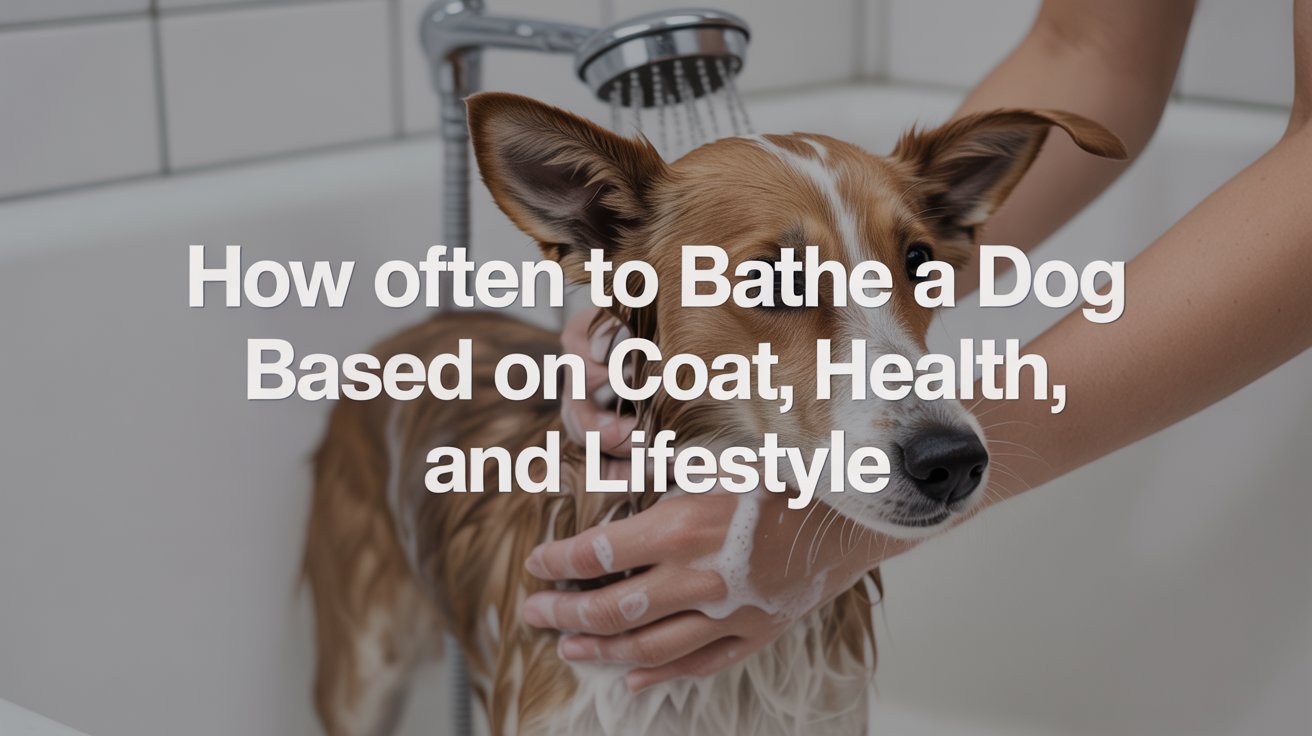
Many dog owners wonder about the right bathing schedule for their pets. Some bathe weekly, others wait months. So what’s correct? The truth is, there’s no single answer that works for every dog.
Your dog’s bathing needs depend on several things, like breed, lifestyle, and health. In this guide, we’ll help you figure out how often to bathe your dog based on what makes sense for your specific pet.
You’ll learn the general rules, what factors matter most, and how to tell when your dog actually needs a wash. By the end, you’ll have a clear plan that keeps your dog clean without causing skin problems.
How Often Should You Bathe Your Dog?

Most dogs do well with a bath once a month. This works as a good starting point for average dogs with normal activity levels. However, your dog might need more or fewer baths depending on their coat type.
Here’s a quick guide by coat type. Short-haired dogs can go every 1 to 3 months between baths. Medium to long-haired dogs usually need washing every 4 to 6 weeks. Hairless breeds need baths more often, about every 1 to 2 weeks, because their skin gets oily. Double-coated breeds like Huskies can wait 2 to 3 months since their coats protect them naturally.
Remember, these are just guidelines, not strict rules. The best way to know how often to bathe a dog is to use your senses. If your dog looks dirty, smells bad, or feels greasy, it’s bath time. On the other hand, bathing too much can strip away the natural oils that keep your dog’s skin healthy. This can lead to dry, itchy skin that causes more problems than it solves.
Key Factors That Determine Your Dog’s Bathing Schedule
Every dog is different, and several factors affect how often your pet needs a bath. Let’s look at what matters most.
Breed and Coat Type

Your dog’s coat plays the biggest role in bathing frequency. The type of fur they have tells you a lot about their cleaning needs.
Short-haired breeds like Beagles and Boxers don’t hold much dirt. Their coats dry quickly and stay fairly clean on their own.
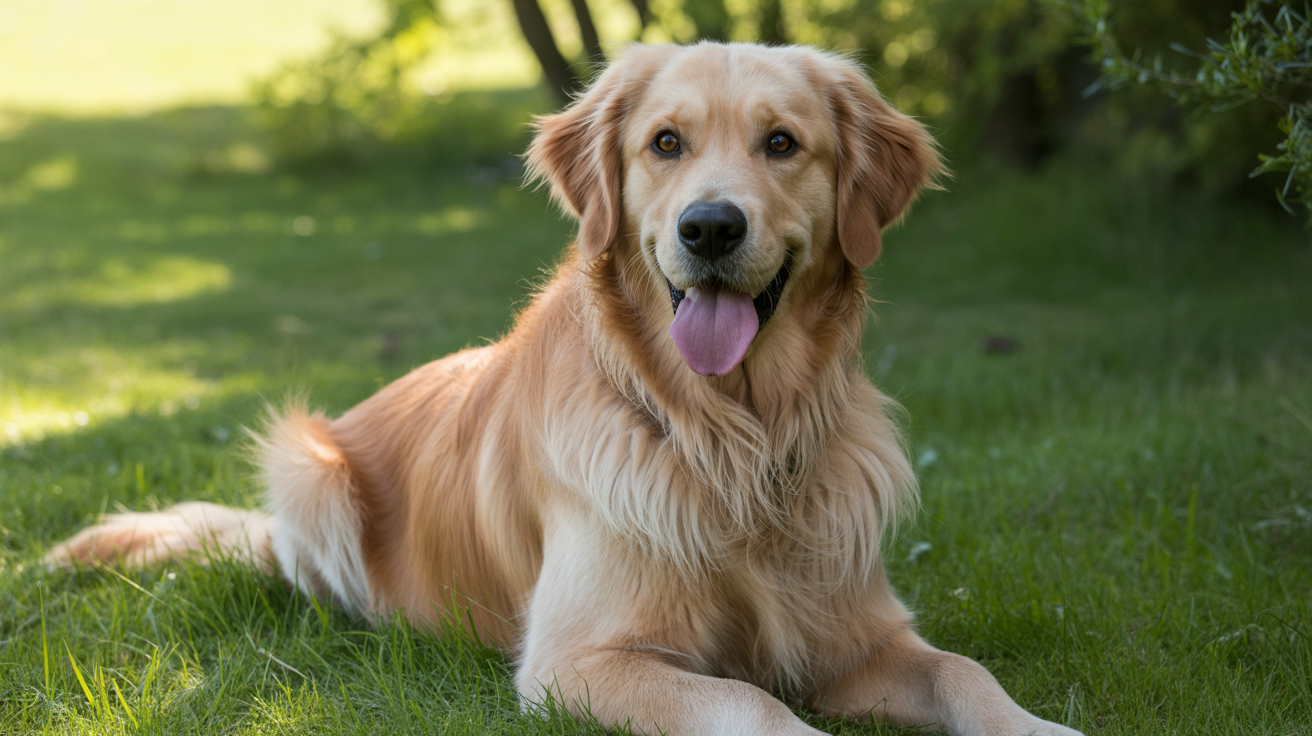
Long-haired dogs like Golden Retrievers collect more debris and can develop mats, so they need regular washing to stay healthy. Dogs with oily coats, like Basset Hounds, may need more frequent baths because oils build up and create odor.
Double-coated breeds have a special undercoat that insulates them. Washing them too often damages this protective layer.
Hairless breeds like the Chinese Crested don’t have fur to absorb oils, so their skin needs regular cleaning. Understanding your dog’s specific coat helps you create the right bathing routine.
Activity Level and Lifestyle

How your dog spends their time makes a huge difference in bathing needs.
Active dogs who love playing outside get dirty faster than calm indoor pets. Dogs that swim regularly need rinsing after each swim to remove chlorine or lake bacteria.
Puppies and young dogs tend to get into everything, rolling in mud and exploring messy places. They might need baths more often than adult dogs, who stay cleaner.
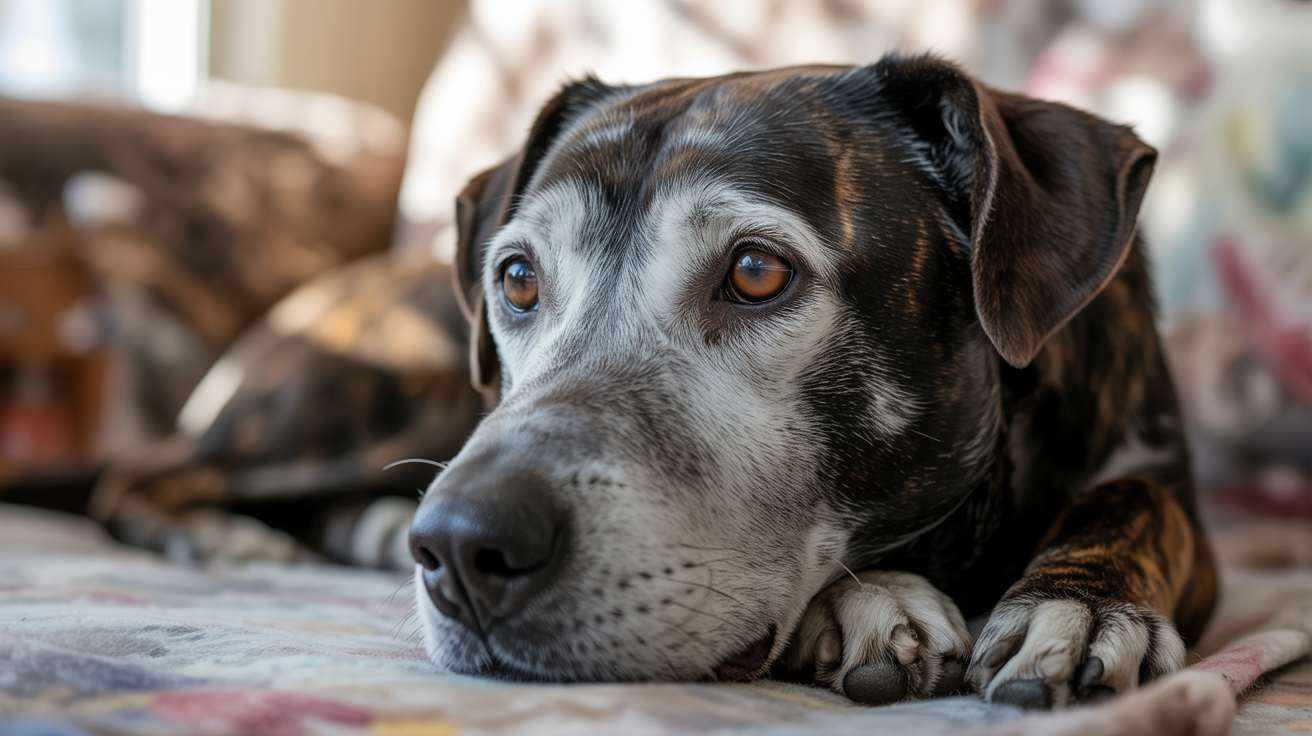
Senior dogs usually move less and stay indoors more, so they may need fewer full baths. However, older dogs sometimes have incontinence issues that require spot cleaning. Pay attention to your dog’s daily activities when deciding how often to bathe your dog.
Health and Skin Conditions

Medical issues can completely change your dog’s bathing schedule.
Some dogs have allergies that cause itchy, irritated skin. Your vet might prescribe special medicated shampoos that need to be used on a specific schedule. Dogs with skin infections may need frequent therapeutic baths to heal properly. Never guess about these situations. Always talk to your veterinarian first.
Some health conditions require more baths, while others need fewer. Dogs with very dry skin might need less frequent washing with moisturizing products. Senior dogs with health problems may have special needs. Your vet knows best and can give you exact instructions for your dog’s condition.
Seasonal Considerations

The time of year affects your dog’s bathing needs, too.
Summer brings heat, which makes dogs’ coats greasy and smelly faster. Warm weather also means more outdoor time, swimming, and exposure to parasites like fleas. Dogs often need more frequent baths during hot months. Winter air is dry, which can make your dog’s skin dry and flaky. During cold months, you might bathe less often and focus on brushing instead.
Spring and fall bring allergy seasons with lots of pollen. Dogs with allergies benefit from more frequent baths to rinse away allergens from their coats. If your dog swims during warm months, always rinse them afterward, even if it’s not full bath day. Pool chemicals and lake water can irritate skin if left on too long.
Your Own Health Needs

Your family’s health matters when deciding on bathing frequency.
If someone in your home has pet allergies, more frequent bathing can help. Regular baths reduce the dander that triggers allergy symptoms. This might mean bathing your dog every 1 to 2 weeks instead of monthly.
However, you need to balance your needs with your dog’s skin health. Bathing too often can hurt your dog’s skin, even if it helps your allergies. Talk to both your doctor and your vet to find a schedule that works for everyone. Special shampoos designed to reduce allergens can help you bathe less frequently while still managing symptoms.
Signs Your Dog Needs a Bath

Not sure if it’s time for a bath? Watch for these clear signs that your dog needs cleaning.
The most obvious sign is visible dirt stuck in your dog’s fur. You might see mud, grass, or other debris that brushing won’t remove. A bad smell is another clear indicator. All dogs have some natural odor, but a strong, unpleasant smell means bath time has arrived.
Other signs include: A greasy or oily coat when you pet them
- Your dog rolled in something gross, like dead animals or poop
- Constant scratching without fleas or other medical causes
- Dull, flat-looking coat that lost its shine
- Sticky or rough texture when you run your hands through their fur
Trust your senses. If your dog looks or smells dirty, don’t wait for your scheduled bath day. These signs help you figure out how often to bathe your dog based on actual need rather than just a calendar date.
Can You Bathe Your Dog Too Often?

Yes, bathing too much can actually harm your dog’s skin.
When you wash your dog too often, you strip away the natural oils their skin produces. These oils protect their skin and keep their coat healthy and shiny. Without enough natural oils, your dog’s skin becomes dry, flaky, and irritated. They might scratch more, develop rashes, or get skin infections.
The key is finding the right balance. Your dog should be clean enough to be pleasant around the house, but not so over-bathed that their skin suffers. Regular brushing helps keep your dog clean between baths. Brushing removes dirt, spreads natural oils, and keeps the coat looking good without water. The only exception is dogs with medical conditions who need frequent therapeutic baths as prescribed by their vet.
Essential Tips for Bathing Your Dog Successfully
Making bath time easier helps both you and your dog have a better experience.
The right products and techniques make all the difference. Start with proper preparation and follow through with good aftercare. These tips will help every bath go smoothly.
Key bathing tips:
- Always use dog-specific shampoos, never human products
- Oatmeal-based formulas work well for most normal skin types
- Get medicated shampoos from your vet if your dog has skin issues
- Brush thoroughly before bathing to remove tangles and loose fur
- Use lukewarm water, never hot or cold
- Rinse completely to avoid shampoo residue that causes itching
- Keep grooming wipes handy for quick cleaning between full baths
- Try waterless shampoos when you need a fast refresh
- Dry your dog thoroughly to prevent skin infections
- Call a professional groomer for difficult tasks or large breeds
Following these tips makes the bathing process safer and more effective. Your dog will stay cleaner longer, and you’ll avoid common mistakes that cause skin problems.
Conclusion
Figuring out how often to bathe a dog depends on your individual pet’s needs. No magic number works for everyone. Your dog’s breed, lifestyle, health, and environment all play important roles.
Start with the general guidelines we covered, then adjust based on what you observe. Watch your dog’s coat condition, smell, and skin health. If something seems off, talk to your veterinarian for personalized advice.
The goal is simple: keep your dog clean enough to be healthy and pleasant without bathing so much that you damage their skin. Pay attention to your dog’s signals. When they look or smell dirty, bathe them. When their coat looks healthy and they smell fine, wait a bit longer. With practice, you’ll find the perfect schedule that keeps your dog happy, healthy, and clean.
Frequently Asked Questions
Can I Bathe My Puppy More Often Than an Adult Dog?
Puppies can be bathed when visibly dirty, but avoid over-bathing. Wait until they’re at least 8 weeks old for their first bath. Young puppies have sensitive skin, so use gentle puppy shampoo and keep baths brief.
Should I Bathe My Dog Before or After Grooming?
Always bathe before grooming activities like haircuts or trimming. Clean fur is easier to cut evenly and prevents dirty hair from dulling grooming tools. Brush thoroughly after the bath once your dog is completely dry.
What Happens If I Use Human Shampoo on My Dog?
Human shampoo has the wrong pH level for dog skin. Using it causes dryness, irritation, and itching. Dogs’ skin is more sensitive than ours. Always use products made specifically for dogs to avoid problems.
How Long Should I Wait to Bathe My Dog After Flea Treatment?
Wait at least 48 hours after applying flea treatment before bathing. The treatment needs time to spread through the skin oils. Bathing too soon washes away the product before it works properly.
Is It Normal for My Dog to Smell Even After a Bath?
If your dog smells bad right after bathing, something else is wrong. Check for ear infections, dental problems, or anal gland issues. Sometimes the wrong shampoo doesn’t clean properly. See your vet if odor continues.