
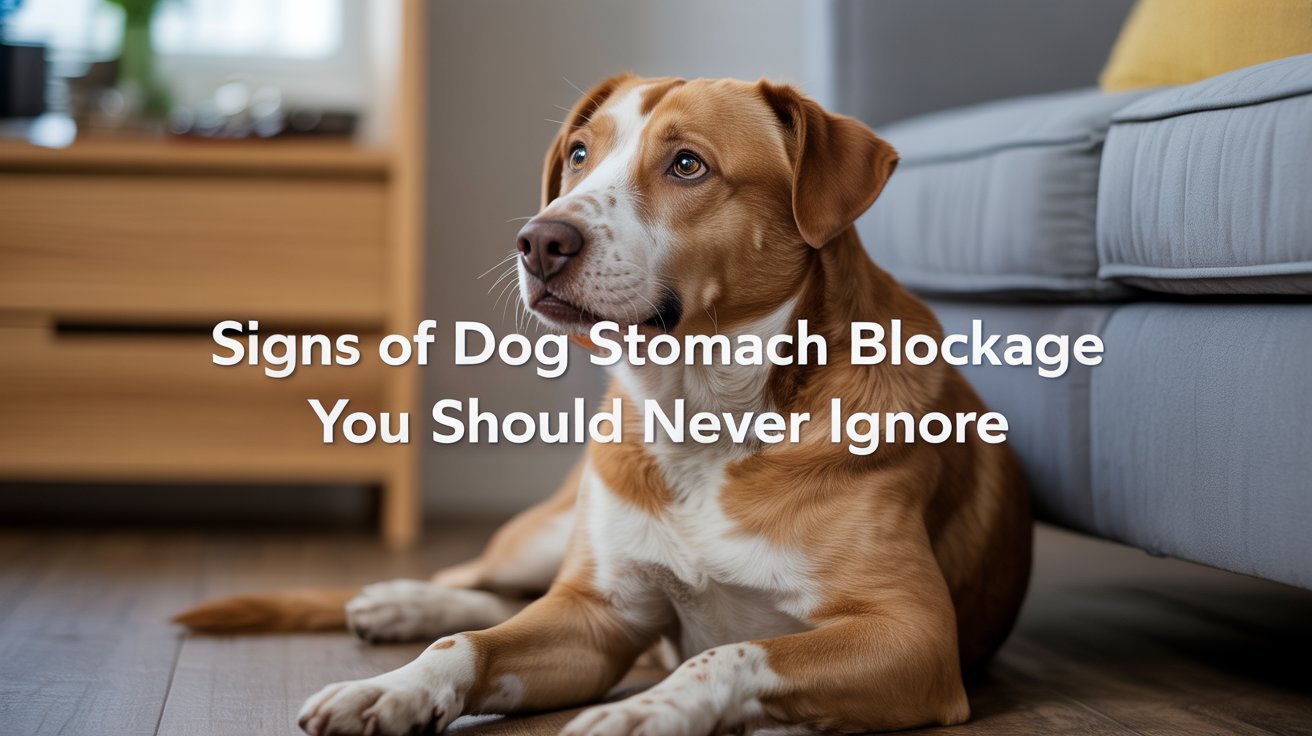
Every minute counts when your dog swallows something they shouldn’t. Stomach blockages can turn deadly in just 3 to 7 days if left untreated. Many pet owners miss the early warning signs until it’s too late.
A stomach or intestinal blockage happens when something gets stuck in your dog’s digestive system. This object stops food, water, and waste from moving through normally. The blockage cuts off blood flow to the intestines, which can cause tissue death.
In this guide, you’ll learn the 7 critical signs of dog stomach blockage that require immediate vet care. Knowing these symptoms could save your dog’s life.
What Is a Stomach Blockage in Dogs?

An intestinal blockage, also called a bowel obstruction, occurs when a foreign object or mass prevents normal digestion. The blockage stops everything from moving through your dog’s stomach and intestines. This creates a medical emergency that needs fast treatment.
Blockages come in two types: partial and complete. A partial blockage lets some material pass through, while a complete blockage stops everything. Both types are dangerous and require veterinary attention right away.
Common causes include swallowed toys, socks, bones, rubber balls, string, corn cobs, and fabric. Sometimes tumors or twisted intestines cause blockages, too. When blood flow to the intestines is reduced, the tissue starts dying. This can lead to infection, rupture, and death within days. That’s why recognizing signs of dog stomach blockage early is so important.
Critical Signs Your Dog Has a Stomach Blockage
Watch for these seven warning signs that indicate your dog may have a blockage. The sooner you spot these symptoms, the better your dog’s chances of survival.
1. Persistent Vomiting

Vomiting is the most common and obvious symptom of a blockage. Your dog may throw up repeatedly over several hours or days. The vomit might contain food, water, bile, or even pieces of the object causing the blockage.
Pay special attention if your dog vomits but hasn’t had a bowel movement. This combination strongly suggests a complete blockage. Ongoing vomiting leads to severe dehydration quickly, making the situation worse. If your dog vomits more than twice in 24 hours, contact your vet immediately.
2. Loss of Appetite or Refusal to Eat

Dogs with blockages often stop eating completely. They may sniff their food bowl but walk away without taking a bite. This happens because the blockage causes pain and discomfort in their digestive system.
Young dogs and puppies might try to eat at first, then vomit right after. If your normally food-loving dog refuses meals for more than 12 hours, something is wrong. Combined with other signs of dog stomach blockage, this symptom requires urgent vet care.
3. Straining to Defecate or Inability to Poop

A complete blockage prevents any stool from passing through. Your dog may squat and strain like they’re trying to poop, but nothing comes out. You’ll see them making repeated attempts with visible effort and discomfort.
This is different from regular constipation. With constipation, small amounts of hard stool eventually pass. With a blockage, nothing comes out at all, or only liquid diarrhea appears. Watch for signs of distress like whining or circling while trying to defecate.
4. Diarrhea (Especially with Partial Blockages)

Surprisingly, diarrhea can signal a blockage. With partial blockages, liquid stool squeezes around the stuck object. This creates thin, watery diarrhea that looks different from normal loose stool.
The diarrhea may contain mucus or have an unusual smell. Some dogs alternate between trying to poop and having diarrhea. This confuses many owners who think diarrhea means things are moving through. Actually, this pattern is one of the key signs of dog stomach blockage that shouldn’t be ignored.
5. Weakness and Lethargy

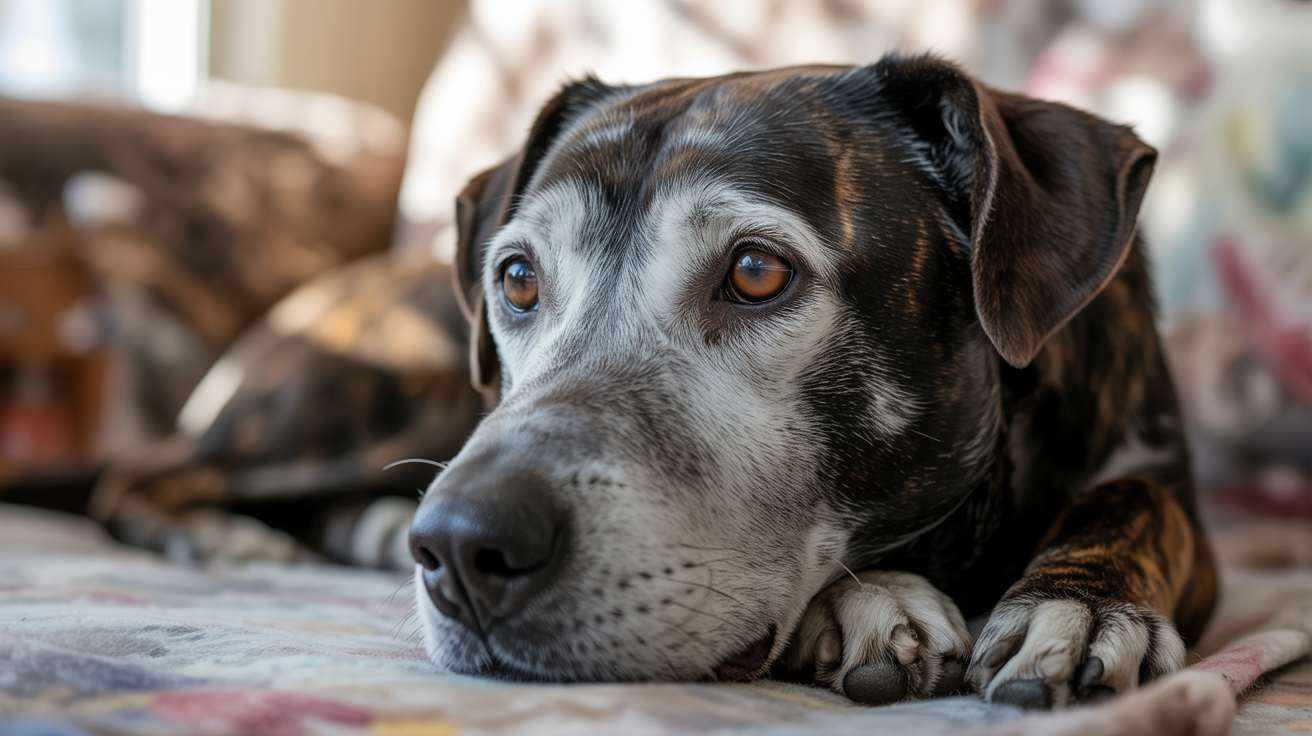
Dogs with blockages become unusually tired and weak. This happens because they’re losing fluids and important electrolytes through vomiting. They may lie around all day without interest in walks, play, or activities they normally love.
You might notice your dog struggling to stand up or moving slowly. They seem unresponsive or depressed. This weakness gets worse as dehydration increases. The lack of nutrition and growing pain also drain their energy quickly.
6. Abdominal Pain and Sensitivity

Blockages cause significant belly pain. Your dog’s abdomen may look swollen or feel tight when touched. Many dogs whine, growl, or snap when you try to touch their stomach, even if they’re normally gentle.
Watch for a hunched posture where your dog arches their back and tucks their belly. They may be restless, unable to get comfortable. Some dogs pace around or frequently change positions. Any visible discomfort when moving or being picked up signals serious internal pain.
7. Dehydration and Associated Symptoms

Dehydration sets in fast with repeated vomiting. Check your dog’s gums, which should be wet and pink. Dry, sticky gums indicate dehydration. Their eyes may look sunken into their head.
Test skin elasticity by gently pulling up the skin on their neck or back. Healthy skin snaps back immediately. Dehydrated skin stays tented or returns slowly. You’ll also notice decreased urination or very dark yellow urine. These signs of dog stomach blockage related to dehydration mean your dog needs IV fluids right away.
What to Do If You Notice These Signs
If you spot any signs of dog stomach blockage, act immediately. Do not wait to see if symptoms improve on their own. Never try home remedies to help your dog pass the object. Giving oil, bread, or other foods can make the blockage worse or cause the intestine to rupture.
Call your regular veterinarian right away. If it’s after hours or on a weekend, go to an emergency vet clinic. Time is critical. The longer you wait, the more tissue damage occurs. Be ready to tell the vet what your dog might have eaten and when symptoms started.
The vet will do a physical exam and likely take X-rays or an ultrasound. These tests show where the blockage is located and how severe it is. Treatment depends on the situation. Some blockages can be removed with an endoscope, a flexible tube with a camera. Complete blockages usually need surgery. Most dogs recover well when treated within the first 24 to 48 hours. Waiting days dramatically reduces survival chances.
Prevention Tips: Keeping Your Dog Safe from Blockages
Preventing blockages is much easier and cheaper than treating them. Most blockages happen because dogs have access to dangerous items they shouldn’t chew or swallow.
Keep these items out of reach:
- Socks, underwear, and small clothing items
- Children’s toys, especially small rubber or plastic pieces
- Bones that can splinter (cooked chicken bones, pork chop bones)
- String, yarn, ribbon, dental floss, and thread
- Trash and food wrappers
- Rocks, sticks, and corn cobs
Always supervise your dog during playtime. Check toys regularly for damage and throw away anything with tears or loose pieces. Heavy chewers need extra-tough, size-appropriate toys made for their strength level. Secure your trash cans with lids or keep them in cabinets that your dog can’t open.
During walks, watch what your dog picks up and sniffs. Train basic commands like “leave it” and “drop it” to stop them from eating things off the ground. Puppies and young dogs need the most supervision since they explore the world with their mouths. Taking these steps seriously reduces your dog’s risk of developing a dangerous blockage.
Conclusion
Recognizing signs of dog stomach blockage can mean the difference between life and death for your pet. The seven symptoms covered here, from vomiting and appetite loss to belly pain and dehydration, all demand immediate attention.
Stomach blockages are true medical emergencies. They’re not something you can treat at home or wait out. Every hour matters when your dog’s intestines are blocked. The tissue damage worsens quickly, and infection can spread.
If you notice even one or two of these warning signs, call your vet right away. Don’t second-guess yourself or hope it will pass. Quick action gives your dog the best chance at full recovery. Save your emergency vet’s phone number in your contacts today, so you’re prepared if this happens.
Frequently Asked Questions
How Long Can a Dog Survive With an Untreated Blockage?
Most dogs with complete blockages will die within 3 to 7 days without treatment. Tissue death and infection happen quickly once blood flow is cut off.
Can a Blockage Clear Itself Without Surgery?
Small, smooth objects may pass naturally with vet monitoring. However, most blockages require medical intervention. Never wait to see if it passes on its own.
How Much Does Treatment for Intestinal Blockage Cost?
Treatment ranges from $800 to $7,000 depending on severity. Emergency surgery, hospitalization length, and complications affect the final cost. Pet insurance often covers blockage treatment.
Will My Dog Need to Stay at the Hospital After Surgery?
Yes, most dogs stay 1 to 2 days after surgery for monitoring and IV fluids. Full recovery at home takes 10 to 14 days with restricted activity.
Are Certain Dog Breeds More Prone to Blockages?
Any dog can get a blockage, but it’s more about behavior than breed. Puppies, curious dogs, and heavy chewers face a higher risk regardless of breed.