
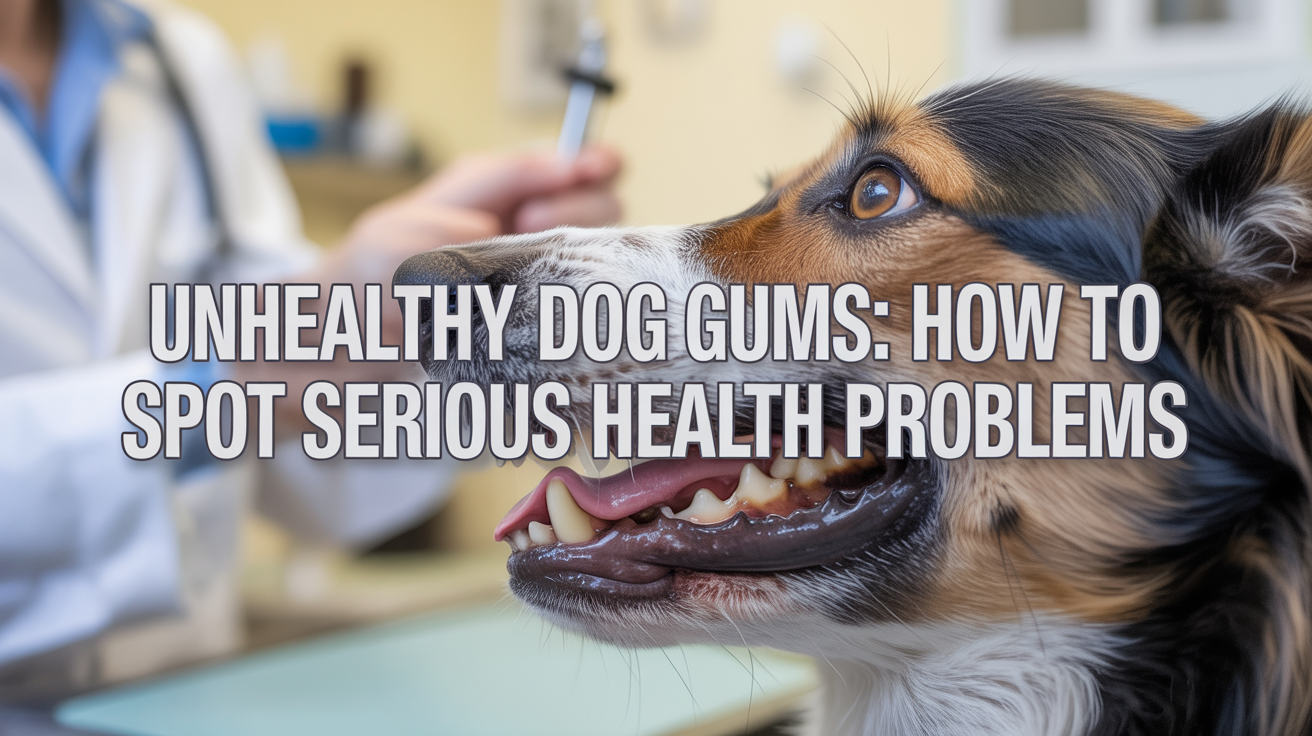
Your dog’s gums can tell you a lot about their health. Pale, red, or bleeding gums aren’t normal, and they might mean something serious is wrong. Most pet owners don’t check their dog’s mouth often enough, and that’s a problem.
This article shows you exactly what healthy gums look like and how to spot the warning signs of illness. You’ll learn the difference between minor issues and emergencies that need a vet right away.
I’ve worked with dogs for over years and seen how early detection saves lives. Checking your dog’s gums takes thirty seconds, but it can catch heart disease, infections, and blood disorders before they get worse. You don’t need medical training to do this. You just need to know what you’re looking for, and I’ll show you step by step.
Healthy vs Unhealthy Dog Gum: Key Differences
Healthy dog gums are pink, moist, and firm, while unhealthy gums may appear pale, red, swollen, bleeding, or have a foul odor, indicating potential dental disease or health issues.

|
Feature |
Healthy Gums |
Unhealthy Gums (Warning Signs) |
|
Color |
Bubble-gum pink or pale pink Note: Some breeds (e.g., Chow Chow) naturally have blue-black gums |
White, blue, or bright red. New dark spots or growths |
|
Capillary Refill Time |
2 seconds or less (press gently and release) |
Delayed return of color |
|
Texture |
Moist and slippery |
Dry or tacky/sticky |
|
Bleeding |
No bleeding |
Bleeding present |
|
Odor |
No bad smell |
Persistent bad breath |
|
Appearance |
Smooth, even gum line |
Swelling, lumps, or receding gums exposing tooth roots |
|
Pain Response |
No pain when touched |
The dog pulls away or shows discomfort when the mouth is touched |
|
Eating Behavior |
Normal eating |
Struggles to eat |
|
Overall Condition |
Firm, healthy tissue |
Signs of dental disease or dehydration |
Gum Color Changes and What They Mean
Your dog’s gum color tells a story. I use it to understand what’s happening inside their body. Different colors point to different problems, some mild, some life-threatening.
Pale or White Gums

Pale gums mean your dog isn’t getting enough blood flow. This happens with anemia, shock, or internal bleeding. I’ve seen dogs with white gums after accidents or severe illnesses. Low blood pressure can also drain the color from your dog’s gums.
This is always an emergency. Don’t wait to see if it gets better. Get your dog to a vet immediately. Minutes matter when gums turn pale or white.
Bright or Cherry Red Gums

Bright red gums look alarming. And they should. Heatstroke is the most common cause I see in summer. Poisoning, high blood pressure, and shock can also turn gums cherry red.
Your dog’s gums might look red after playing hard. That’s normal, but only for a minute or two. If the color stays bright red, if your dog seems sick? Rush to the emergency vet. Don’t second-guess yourself.
Blue, Gray, or Purple Gums

Doctors call this cyanosis. I call it terrifying. Blue or purple gums mean your dog isn’t getting enough oxygen.
This is a true emergency. Your dog could die within minutes. Call your vet while someone drives you there. Every second counts with blue gums.
Yellow Gums

Yellow gums signal jaundice. That means your dog’s liver isn’t working right, or their red blood cells are breaking down too fast. I check the whites of their eyes too, they’ll be yellow as well.
Liver disease needs immediate attention. So does anything that destroys red blood cells. Call your vet the same day you notice yellow gums. This won’t fix itself.
Spotted, Speckled, or Mottled Gums

Some dogs naturally have spotted gums. Black spots, brown patches, totally normal for many breeds. I don’t worry about places that have always been there.
But new spots? That’s different. Tiny red or purple dots called petechiae suggest a bleeding disorder. If your dog suddenly develops new spotting, get them checked. Better safe than sorry.
Common Signs & Symptoms of Unhealthy Dog Gums
I’ve learned to spot gum problems before they get serious. Your dog’s mouth gives clear warnings when something’s wrong. Let me show you what to watch for.
Dry or Tacky Gums

Dry gums usually mean dehydration. When I press on my dog’s gums, they should feel slippery and moist. Sticky or tacky gums? That’s a problem.
Give your dog water and let them rest for an hour. Check again. Still dry? Call your vet, especially if your dog is also vomiting, has diarrhea, or seems tired and weak.
Swollen or Inflamed Gums

Swollen gums point to gingivitis or dental infection. The gum tissue looks puffy and red instead of smooth and pink. I see this a lot in dogs who need dental cleanings.
Some breeds like Boxers, Bulldogs, and Cocker Spaniels get gingival hyperplasia. That’s when gum tissue overgrows around the teeth. It looks lumpy and thick. Your vet can treat it, but don’t ignore swollen gums.
Bleeding Gums

Bleeding gums worry me. Dental disease is the most common cause, plaque and tartar irritate the tissue until it bleeds. But clotting disorders can also make gums bleed easily.
A little blood after chewing a hard toy? Watch it closely. Heavy or continuous bleeding? That’s an emergency. Get to the vet right away..
Growths, Tumors, Lumps, or Warts

Any new growth in your dog’s mouth needs a vet visit. Period. Black masses on pink gums are especially concerning. So are lumps that change size quickly.
Some growths are harmless warts. Others are cancerous tumors. I can’t tell the difference by looking, and neither can you. If a growth bleeds or stops your dog from eating, that’s an emergency.
Bad Breath (Halitosis)

Dog breath shouldn’t smell like rotting garbage. Persistent foul breath signals dental disease or infection in the mouth. Bacteria create that awful smell.
But bad breath can also mean bigger problems. When paired with increased thirst, weight loss, or vomiting? Think diabetes or kidney disease. Don’t just mask the smell with treats. Find out what’s causing it.
How to Check Your Dog’s Gums at Home?
Checking your dog’s gums takes less than a minute. I do it weekly, and you should too. It’s simple once you know what to look for. Find good lighting first, natural sunlight or your phone’s flashlight works best. Gently lift your dog’s upper lip on both sides of their mouth. Don’t force it. Keep things calm and quick.
- Color changes: Watch for pale, white, bright red, blue, or yellow gums instead of healthy pink.
- New spots: Check for lesions, ulcers, or unusual spots that weren’t there before.
- Bleeding or swelling: Any puffiness, redness, or blood on the gums needs attention.
- Teeth problems: Look for broken, loose, or discolored teeth while you’re checking your gums.
- Moisture level: Gums should feel slippery and moist, never dry or tacky to the touch.
Press gently on the gums, then release. The color should return in 2 seconds or less, that’s the capillary refill test. Do this check at least once a week or every time you brush your dog’s teeth.
When Unhealthy Dog Gums Signal a Veterinary Emergency
Not all gum problems need a midnight vet run. But some do. I’ve learned which signs mean drop everything and go versus which ones can wait until morning. These symptoms mean your dog needs emergency care right now. Don’t wait. Don’t call your regular vet in the morning. Go to the emergency clinic immediately:
- Blue/gray/purple gums: Your dog isn’t getting enough oxygen
- Pale/white gums: Signs of shock, blood loss, or severe anemia
- Bright red gums: Heatstroke, poisoning, or critical blood pressure problems
- Active bleeding: Large gum lacerations or bleeding that won’t stop
- Rapidly growing masses: Any tumor that’s changing quickly or blocking your dog’s ability to eat
Minutes matter with these symptoms. I never second-guess myself when I see emergency signs.
Prevention & Long-Term Gum Care Tips
Healthy gums don’t happen by accident. I prevent most gum problems with simple daily habits. Your dog’s mouth stays healthier when you’re consistent with care.
- Brush teeth regularly: Aim for every 72 hours at minimum, daily is even better for preventing plaque buildup.
- Professional dental cleanings: Schedule these as often as your vet recommends, usually once a year for most dogs.
- Annual oral exams: Let your vet check your dog’s mouth during yearly checkups to catch problems early.
- Safe dental chews: Provide toys and chews designed for dental health, they scrape away plaque naturally.
- Clean water access: Keep fresh water available at all times to help rinse away bacteria and food debris.
Conclusion
Unhealthy dog gums are easier to spot than you think. Pink and moist means healthy. Pale, bright red, blue, or yellow means get help. Check your dog’s mouth weekly, and you’ll catch problems early.
You now know what to look for and when to call the vet. Trust your instincts. If something looks off, it probably is. Most gum problems get worse without treatment, so acting fast matters.
Start checking your dog’s gums today. It takes less than a minute and could save their life. Have questions about what you found? Drop a comment below or share this with other dog owners who need to know. Your vet is always your best resource for anything that worries you.
Frequently asked questions
What color should healthy dog gums be?
Healthy dog gums are bubble gum pink and moist. Press them gently, and the color should return within two seconds. Black-pigmented gums are normal for some breeds. Any paleness, redness, yellow, blue, or white spots signal unhealthy dog gums that need attention.
What causes unhealthy dog gums?
Unhealthy dog gums can result from dental disease, infections, anemia, heart problems, kidney disease, or toxins. Gum disease is the most common cause. Other issues include dehydration, shock, blood disorders, and liver problems. The color and texture changes tell you what’s wrong.
When should I take my dog to the vet for gum problems?
Take your dog to the vet immediately if their gums are pale, white, blue, bright red, or yellow. Also, go if you see bleeding, swelling, growths, or if gums don’t return to pink after pressing. Unhealthy dog gums can indicate life-threatening conditions.
Can I treat unhealthy dog gums at home?
Minor gum inflammation might improve with dental chews and brushing, but most unhealthy dog gums need veterinary care. Never attempt home treatment for pale, yellow, or blue gums. These signals indicate serious internal problems. Your vet needs to diagnose the underlying cause first.
How often should I check my dog’s gums?
Check your dog’s gums weekly during routine petting time. This helps you spot unhealthy dog gums early. Make it part of your grooming routine. Older dogs and breeds prone to dental problems need more frequent checks. Catching issues early prevents serious complications.