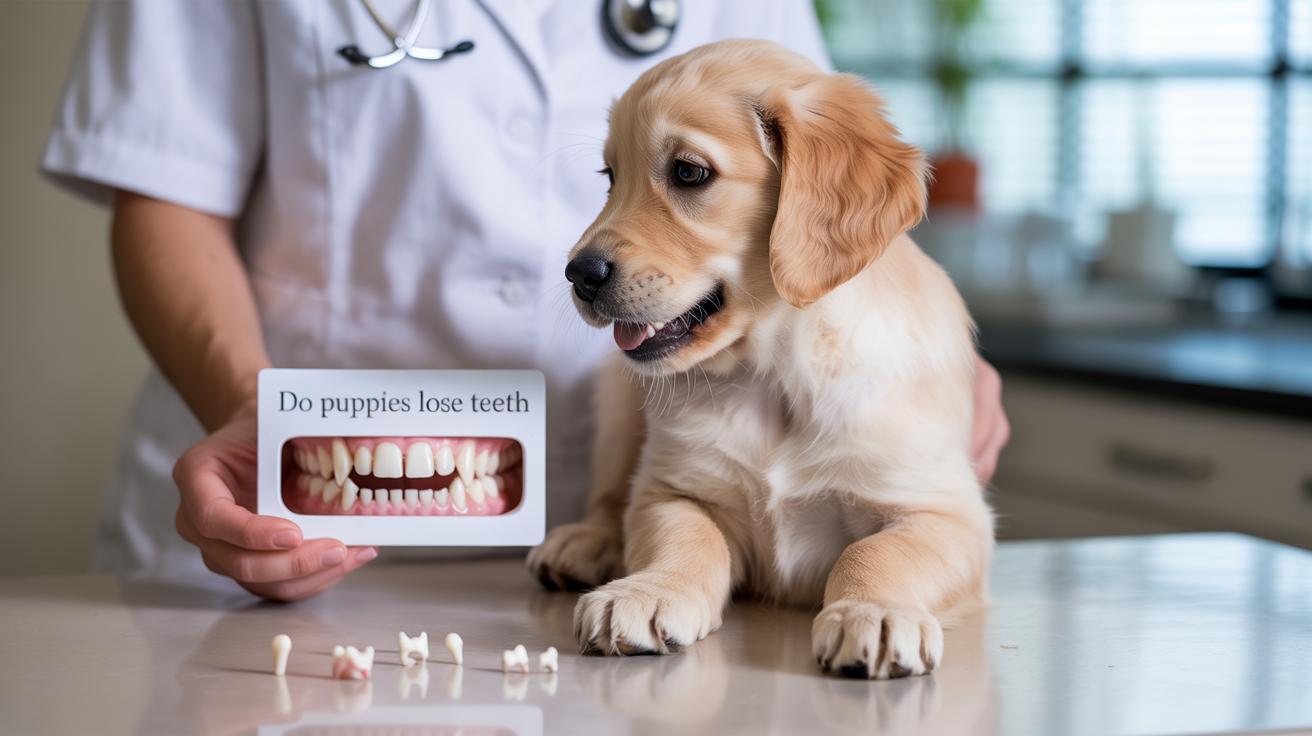

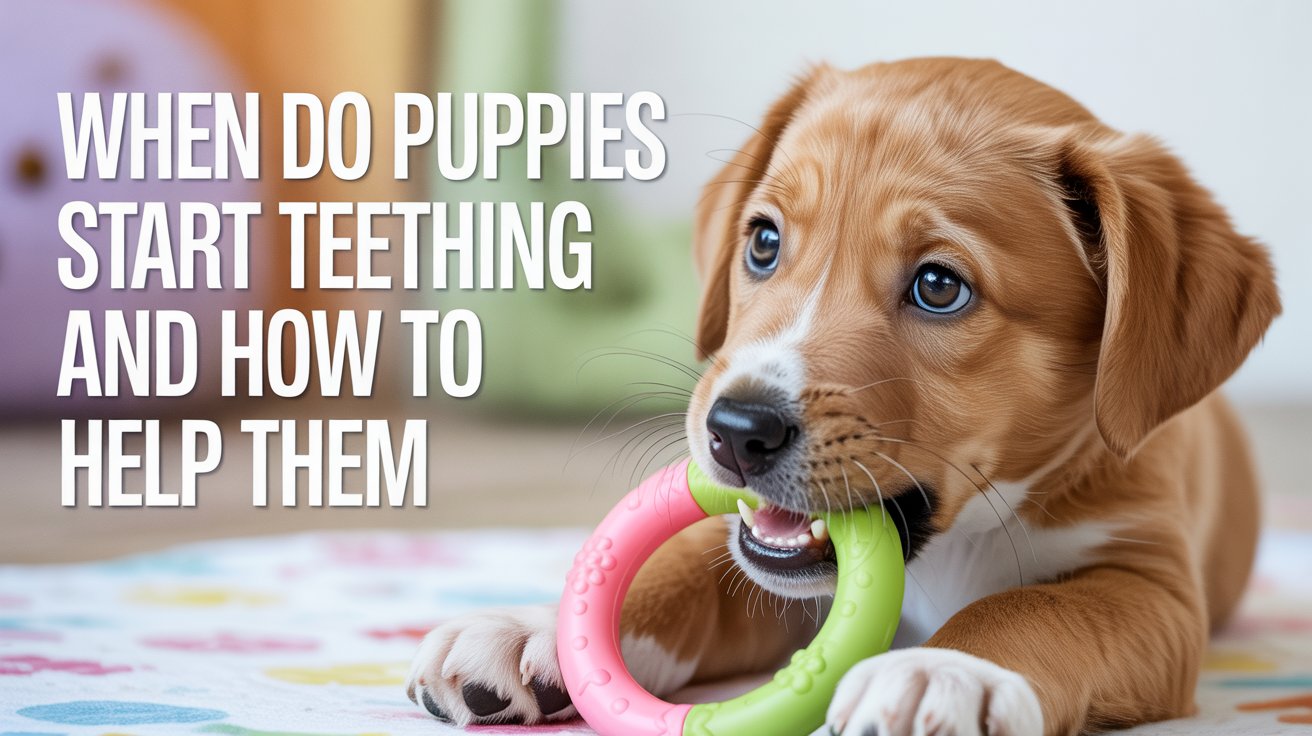
Getting a new puppy is exciting, but it comes with challenges. One day, you might notice your furry friend chewing on everything in sight. Your shoes, furniture, and even your hands become targets.
So when do puppies start teething? The answer is simple. Most puppies begin teething between 12 and 16 weeks of age. This is a normal part of growing up for dogs.
During this time, your puppy will lose their 28 baby teeth and grow 42 adult teeth. This process can be uncomfortable for your pup.
In this guide, you’ll learn about the teething stages, what signs to look for, and how to help your puppy through this phase. We’ll cover everything you need to know to make this time easier for both you and your pet.
Understanding the Puppy Teething Process

Teething is a natural part of your puppy’s development. Just like human babies, puppies go through stages of tooth growth that prepare them for adulthood.
Why Puppies Need to Teethe?
Puppies are born with small, sharp baby teeth that work well for nursing. However, these tiny teeth aren’t strong enough for their adult diet. As your puppy grows, they need bigger, stronger teeth to chew kibble, treats, and toys properly.
The shift from baby teeth to adult teeth is important for your dog’s health. Strong adult teeth help your puppy eat a variety of foods and maintain good oral health throughout their life. Without this change, dogs wouldn’t be able to chew hard foods or keep their mouths healthy.
How Many Teeth Do Puppies Have?
Puppies start with 28 deciduous teeth, also called baby teeth or milk teeth. These small teeth are sharp and pointed. They include incisors, canines, and premolars.
Adult dogs have 42 permanent teeth, which is 14 more than their puppy set. The adult teeth are larger and stronger. Compared to humans, who have 32 adult teeth, dogs have quite a few more teeth to help them chew their food properly.
Puppy Teething Timeline: From Birth to 7 Months
Understanding when puppies start teething helps you prepare for each stage. The teething process happens in clear phases, and knowing what to expect makes it easier to care for your pup.
Birth to 2 Weeks: No Teeth Stage

Newborn puppies don’t have any teeth at all. During these first two weeks, they rely completely on their mother’s milk for nutrition. Their gums are soft and smooth.
Since they’re only nursing, puppies don’t need teeth yet. This stage is all about growing and bonding with their mother and littermates.
3 to 4 Weeks: First Baby Teeth Emerge

Around three to four weeks old, puppies get their first teeth. The incisors, which are the small front teeth, appear first. Puppies will have 12 incisors in total.
Soon after, the four canine teeth come in. These are the pointed teeth on the sides. At this stage, puppies are still nursing with their breeder and learning basic social skills from their mother.
5 to 6 Weeks: All Baby Teeth Present

By five to six weeks old, puppies have their complete set of 28 baby teeth. All the incisors, canines, and premolars are now in place. The teeth are small but very sharp.
This is when puppies start weaning off milk and eating soft puppy food. Breeders usually schedule the first veterinary appointment around this time to make sure everything is developing normally.
12 to 16 Weeks: Teething Begins

This is the stage when puppies start teething in earnest. Between 12 and 16 weeks, baby teeth start falling out. At the same time, permanent adult teeth begin pushing through the gums.
This is the most uncomfortable period for puppies. Their gums feel sore and itchy, which is why they chew on everything. Most puppies go to their new homes during this time, so new owners need to be ready for teething behavior.
3 to 5 Months: Adult Teeth Coming In

From three to five months old, the larger adult teeth continue to emerge. The premolars and molars, which are the back teeth used for chewing, come in during this phase. Baby teeth keep falling out as adult teeth replace them.
You might find tiny teeth around your home. They’re about the size of a grain of rice. Don’t worry if you find them on the floor or in your puppy’s bedding.
5 to 7 Months: Teething Completion

By five to seven months old, most puppies have all 42 adult teeth in place. The active teething phase is over, and your puppy’s mouth is fully developed. The discomfort and excessive chewing should decrease.
However, some puppies continue to chew as a normal habit even after teething ends. This is especially true for certain breeds that have strong chewing instincts.
Common Puppy Teething Symptoms to Watch For

Recognizing teething symptoms helps you know when your puppy needs extra care. Most signs are normal, but some require a vet visit.
Excessive Chewing Behavior
The most obvious sign of teething is constant chewing. Your puppy will try to chew on furniture, shoes, hands, and anything else they can reach. This isn’t bad behavior. It’s how they cope with discomfort.
Chewing helps relieve the pressure and irritation in their gums. When new teeth push through, the gums feel sore and itchy. Chewing provides relief and helps loosen baby teeth that are ready to fall out.
Visible Signs in Your Puppy’s Mouth
If you look inside your puppy’s mouth, you might see loose or missing teeth. Baby teeth are tiny, about the size of a grain of rice. Sometimes you’ll find them, but often puppies swallow them, which is completely safe.
You might also notice red or swollen gums, especially where new teeth are coming in. Some bleeding is normal. Puppies can also develop bad breath during teething because of mild gingivitis, which is gum inflammation.
Behavioral and Physical Changes
Some puppies eat less during teething because their mouths hurt. They might be reluctant to chew hard kibble or treats. This is usually temporary and resolves once the discomfort passes.
Other signs include increased drooling, more nipping and biting behaviors, and general fussiness. Some puppies may have mild pain or even a low-grade fever. Most teething symptoms are normal, but if your puppy stops eating completely, has severe swelling, or seems very sick, contact your veterinarian right away.
Caring for Your Puppy’s Adult Teeth
Once teething ends, your job isn’t over. Maintaining dental health is important for your dog’s overall well-being. Good oral hygiene prevents serious health problems later in life.
Start a regular brushing routine as soon as your puppy’s adult teeth are in. Brush your dog’s teeth at least two to three times per week. Use a soft-bristled toothbrush and dog-safe toothpaste. Daily brushing is even better if your dog will tolerate it.
Your veterinarian may recommend professional dental cleanings as your dog ages. Look for dental products that have the Veterinary Oral Health Council approval. These products meet safety and effectiveness standards. Remember that some breeds continue to chew naturally throughout their lives, which can help keep teeth clean.
Tips to Help Your Teething Puppy
Knowing when puppies start teething is one thing, but helping them through it is another. There are several ways to make this phase easier for your puppy.
- Remove electrical cords, shoes, and valuable items from reach
- Secure medications and trash cans where curious puppies can’t access them
- Create safe zones where your puppy can play without getting into trouble
- Block off areas with items that could be dangerous if chewed
- Choose durable teething-specific toys and rings made for puppies
- Offer dental chew treats that are safe for young dogs
- Give your puppy a variety of textures and sizes to find what they like best
- Avoid rope toys and tug-of-war games during active teething, as these can damage emerging teeth
- Freeze chew toys before giving them to your puppy for a cooling effect
- Offer frozen baby carrots as healthy, soothing treats
- Avoid ice cubes, which are choking hazards and too hard on developing teeth
- Keep frozen items in rotation so your puppy always has something cold
- Begin touching your puppy’s mouth and teeth gently (watch out for those sharp baby teeth)
- Introduce a silicone finger brush or soft dental pads once your puppy is comfortable
- Use only dog-formulated toothpaste, never human toothpaste
- Build a foundation for lifelong dental care by making mouth handling positive
These steps will help your puppy get through teething with less stress and discomfort.
Conclusion
Now you know the answer to “when do puppies start teething.” The process begins at 12 to 16 weeks and usually finishes by 5 to 7 months. This timeline helps you prepare for what’s ahead.
Remember that teething is temporary. Your puppy won’t chew your furniture forever. With patience and the right tools, you can help your pup through this phase comfortably.
Provide appropriate chew toys, keep dangerous items out of reach, and start good dental habits early. If you have specific concerns about your puppy’s teething, don’t hesitate to call your veterinarian. They can check that everything is developing normally.
Good dental care during the teething phase sets the foundation for a lifetime of healthy teeth. Your efforts now will pay off with a happy, healthy adult dog.
Frequently Asked Questions
Is It Normal for My Puppy to Lose Their Appetite While Teething?
Yes, temporary appetite changes are normal during teething. Their sore gums make eating uncomfortable. However, if your puppy stops eating for more than 24 hours, contact your vet.
Can I Give My Puppy Pain Medication for Teething Discomfort?
Never give human pain medication to puppies, as it can be toxic. Only use vet-approved pain relief options. Ask your veterinarian for safe recommendations.
What Should I Do If My Puppy’s Baby Teeth Don’t Fall Out?
Some baby teeth don’t fall out naturally. These are called retained deciduous teeth. Your veterinarian may need to remove them to prevent problems with adult teeth alignment.
Are Certain Dog Breeds More Prone to Teething Problems?
Yes, smaller breeds and brachycephalic breeds (flat-faced dogs) often have more teething issues. Their mouths are crowded, which can cause problems with tooth placement and retention.
How Can I Tell the Difference Between Teething and Aggressive Biting?
Teething puppies chew to relieve gum pain and usually respond to redirection. Aggressive biting involves stiff body language, growling, and doesn’t stop with distraction. Context matters.