
Your dog’s getting older, and you’ve started to wonder, is she a senior now? It’s a question that sneaks up on every dog owner. Maybe you’ve noticed your pup slowing down on walks or sleeping more than usual.
This blog will show you the age ranges for different dog sizes, the signs to watch for, and what changes you should expect. I’ve spent years working with aging dogs, and I know how confusing this transition can be. You deserve straight answers you can trust
We’ll cover everything from the subtle behavioral shifts to the physical changes that signal your dog is entering their golden years. By the end, you’ll know exactly where your dog stands and how to keep them healthy and happy. Let’s get straight to what matters most for your aging pup.
Key Signs That Your Dog Is Entering Their Senior Years
Your dog won’t announce they’re getting older. The changes happen gradually, so gradually that you might miss them until one day you realize your pup isn’t quite the same anymore.
Cosmetic and Physical Appearance Changes

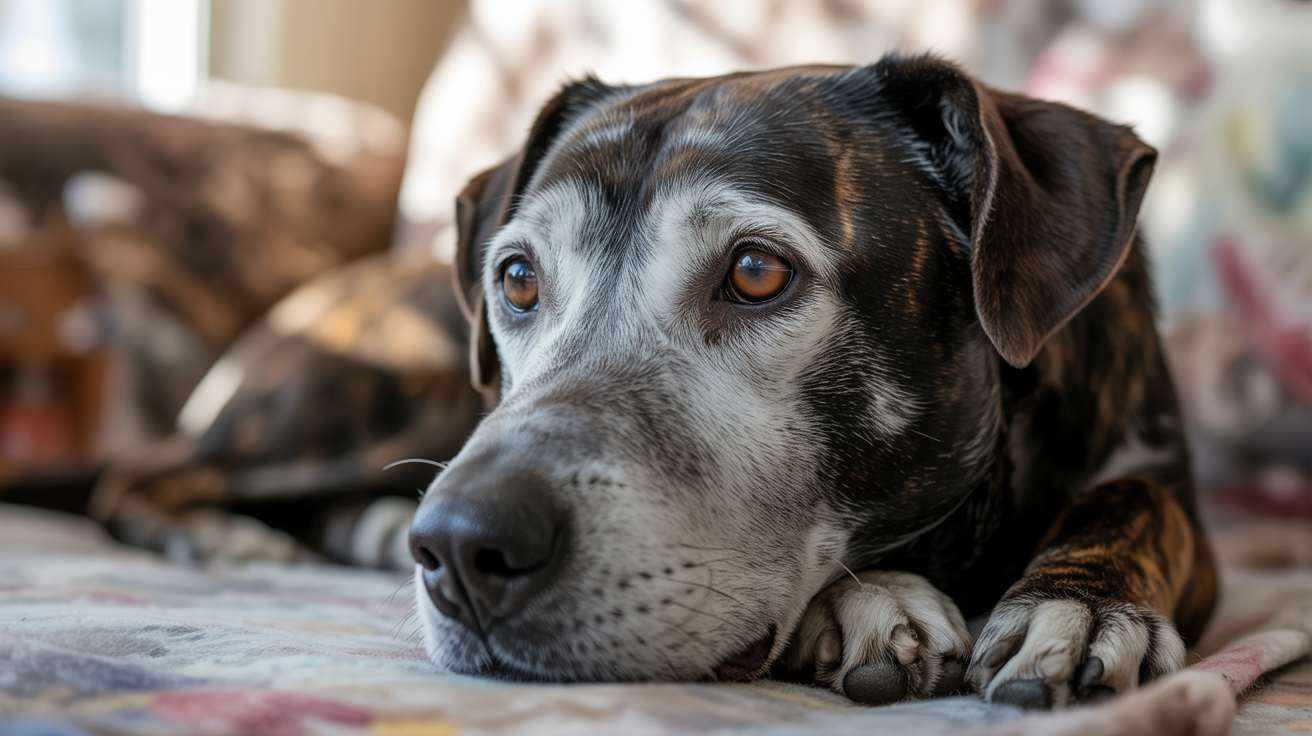
The first signs often show up in how your dog looks. These cosmetic changes don’t hurt them, but they’re clear indicators that time is passing.
- Gray hairs around the muzzle and face
- Less elastic skin that heals more slowly after cuts
- Cloudy-looking eyes from nuclear sclerosis
Nuclear sclerosis looks scary, but it’s normal aging. Your dog’s eyes develop a bluish-gray haze that makes you think they’re going blind. But this condition doesn’t affect vision, it’s completely different from cataracts. I still recommend a vet check to confirm what you’re seeing, especially if your dog starts bumping into things.
Decreased Energy and Activity

Your once-energetic dog starts slowing down. They’re not lazy, their body just can’t keep up with their younger self anymore.
- Lower tolerance for long walks or play sessions
- More frequent naps throughout the day
- Reduced stamina compared to their prime years
This is the change that breaks most owners’ hearts. Your dog, who used to run for hours, now tires after twenty minutes. They still want to play, but their body gives out faster. Adjust your expectations and activities to match their new energy level, pushing them too hard causes pain and exhaustion.
Changes in Eating and Drinking Habits

Senior dogs often develop unpredictable appetites. One week, they’re picky eaters, the next, they act starved. These shifts aren’t just personality quirks.
- Decreased appetite or complete loss of interest in food
- Sudden increase in hunger
- Changes in water consumption
Any appetite changes combined with vomiting, diarrhea, or excessive thirst need immediate vet attention. These symptoms signal underlying medical issues like kidney disease, diabetes, or dental problems. Don’t wait and hope it passes, early intervention prevents minor issues from becoming life-threatening conditions.
Mobility and Weight Changes

Aging dogs lose muscle mass while gaining fat. This combination creates a dangerous cycle that affects how well they move and how healthy they stay.
- Muscle loss with increased fat storage
- Higher obesity risk leading to joint stress
- Worsening arthritis or old injuries flaring up
Difficulty jumping onto the couch or climbing stairs signals real mobility problems. Your dog might need ramps, pet stairs, or help getting around. Obesity makes everything worse, extra weight destroys joints and increases diabetes risk. Work with your vet on weight management before mobility issues become severe.
Behavioral and Cognitive Changes

Your dog’s personality might shift as they age. They sleep more, show less interest in activities they loved, and sometimes act confused or disoriented.
- More sleep and less interest in play
- Irritability, anxiety, or unexpected aggression
- Signs of Canine Cognitive Dysfunction (dog dementia)
Behavioral changes often stem from pain, not attitude. A dog who snaps when touched might have arthritis pain you can’t see. But some senior dogs develop Canine Cognitive Dysfunction, memory loss, confusion, reduced responsiveness, or decreased learning ability. If your dog stares at walls, forgets familiar people, or has accidents indoors after years of being housetrained, talk to your vet about CCD.
How to Care for a Dog Once They Become a Senior?
Senior dogs need different care than younger dogs. Small adjustments in their routine, diet, and environment make a massive difference in how well they age.
Importance of Veterinary Care

Your senior dog needs to see the vet twice a year now instead of annually. These regular checkups catch problems before they become emergencies.
- Schedule comprehensive exams every six months.
- Run blood work to check organ function
- Test urine to detect kidney issues early
- Screen for age-related diseases like diabetes
- Monitor weight and body condition changes
Early detection saves lives and saves money. Age-related diseases show up in bloodwork before your dog looks sick. Catching them early means simpler, cheaper treatment, waiting until your dog is critically ill costs more and reduces treatment success.
Senior Nutrition and Diet Adjustments

Your senior dog’s metabolism slows down, so their diet needs to change. The food that kept them healthy at three years old will make them overweight at ten.
- Switch to senior dog food with lower calories
- Choose formulas that support joint health
- Look for foods with glucosamine and chondroitin
- Prevent obesity to reduce joint stress
- Consult your vet before adding any supplements
Don’t just grab any “senior” food off the shelf. Quality matters. Talk to your vet about which brand fits your dog’s specific needs. Some seniors need weight loss support, while others need help maintaining muscle mass.
Comfort and Pain Management

Making your home senior-friendly prevents injuries and reduces pain. Small changes help your dog move around safely and comfortably.
- Add runners or mats on slippery floors
- Provide orthopedic beds with supportive foam
- Use beds with bolsters for neck support
- Install ramps to help them reach furniture
- Ask your vet about pain medication for arthritis
Pain management isn’t optional for arthritic dogs. If your dog has joint stiffness or chronic pain, medication makes their life bearable. Your dog shouldn’t struggle or hurt just moving through the house, make their environment work for their aging body.
Helping Your Senior Dog Age Gracefully
Getting older doesn’t mean your dog’s best days are behind them. Senior dogs can still live long, happy, active lives with the right care and attention. They need extra TLC now, but older dogs remain deeply rewarding companions who give back every bit of love you invest in them.
- Quality Care: Your senior dog deserves proper veterinary attention, appropriate nutrition, and a comfortable environment. These basics extend their life and keep them feeling good through their golden years.
- Daily Monitoring: Watch for changes in behavior, mobility, and appetite, these early warnings help you catch problems before they become serious. Small shifts matter more now than they did when your dog was young.
- Pain Management: Don’t let your dog suffer in silence with arthritis or joint pain. Work with your vet to keep them comfortable so they can still enjoy walks, playtime, and cuddles with you.
- Environmental Adjustments: Make your home senior-friendly with ramps, non-slip surfaces, and orthopedic beds. These simple changes prevent injuries and help your dog move around with confidence and less strain.
- Regular Checkups: Schedule vet visits every six months instead of yearly to catch age-related diseases early. Proactive monitoring ensures your dog stays comfortable and lives longer with a better quality of life.
Conclusion
Now you know the answer to “When Is a Dog Considered a Senior”, and it all comes down to your dog’s size. Small dogs hit their golden years around 10-11, while large breeds get there by 6-7. The signs are usually subtle at first: more naps, slower walks, a few gray hairs around the muzzle.
The good news? You’re prepared now. You know what to watch for and when to adjust their care. Catching these changes early means your senior dog can enjoy their later years with comfort and joy.
Have you noticed any of these signs in your own dog? Drop a comment below and share your experience, other dog owners would love to hear your story. And if this helped you, pass it along to a friend who might be wondering the same thing about their aging pup.
Frequently asked questions
When is a dog considered a senior?
It depends on their size. Small dogs (under 20 lbs) become seniors around 10-12 years old. Medium dogs (21-50 lbs) hit senior status at 8-10 years. Large breeds (51-90 lbs) are seniors by 6-8 years, while giant breeds (over 90 lbs) reach it at just 5-6 years old.
What are the first signs my dog is becoming a senior?
Watch for reduced energy levels, longer naps, stiffness after rest, slower walks, and reluctance to jump or climb stairs. You might also notice graying around the muzzle, cloudiness in their eyes, or changes in how they respond to commands.
Should I change my senior dog’s diet?
Yes. Senior dogs need fewer calories but more protein to maintain muscle mass. Look for foods with joint-supporting ingredients like glucosamine and omega-3 fatty acids. Always transition gradually and consult your vet about the best option for your dog’s specific needs.
How often should senior dogs visit the vet?
Senior dogs should see the vet every 6 months instead of annually. These twice-yearly checkups help catch age-related issues early, like kidney disease, arthritis, or dental problems. Regular bloodwork and screenings become increasingly important as your dog ages.
Can senior dogs still exercise and play?
Absolutely. Senior dogs still need exercise, just adjusted to their abilities. Shorter, more frequent walks work better than long hikes. Swimming is excellent for arthritic joints. Keep playtime gentle and watch for signs of fatigue. Mental stimulation through puzzle toys helps, too.