
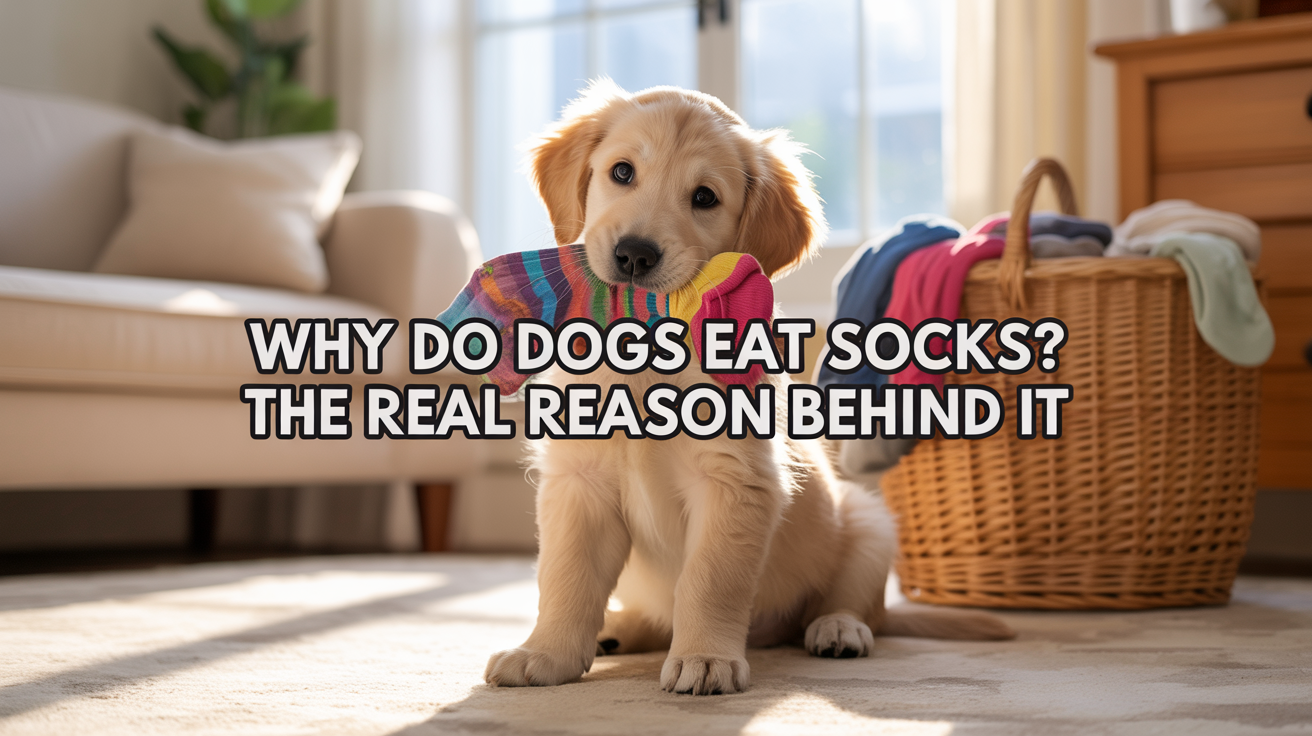
Your dog just ate another sock. Again. I’ve been there. I’ve pulled half-chewed socks from my dog’s mouth more times than I can count. It’s frustrating, confusing, and honestly a little gross.
You’re not looking for theories, you want real answers. This article breaks down exactly why dogs eat socks, what’s happening in their brain, and how to stop it before your laundry basket becomes a snack bar. I’ll share what actually works based on years of dealing with this myself and what vets recommend.
Here’s the thing. I’m not going to sell you fancy solutions or complicated training methods. Just honest advice from someone who gets it. You’ll learn the behavior triggers, the health risks you need to know about, and simple steps that actually prevent sock-eating. No fluff. No gimmicks. Just practical help you can use today.
Understanding Why Dogs Eat Non-Food Items?

Your dog has a problem. It’s called pica. This means eating things that aren’t food. I’m not talking about normal puppy chewing here. When your dog chews a toy, that’s normal. When your dog swallows that toy? That’s pica. Dogs with this condition eat socks, rocks, sand, paper, and fabric. They don’t just mouth these items, they consume them.
Socks are like candy to dogs. Why? Your scent is all over them. That smell comforts your dog when you’re not around. The texture matters too. Socks are soft. Easy to tear.
Easy to chew. Easy to swallow. You leave them on the floor, in the laundry basket, by your bed. They’re within reach. Your dog sees an opportunity. Before you know it, the sock is gone, down their throat, sitting in their stomach.
Here’s what scares me: this can cause intestinal blockage. Your dog might need emergency surgery. The vet bill? Thousands of dollars. The risk to your dog’s life? Real.
Think about it this way: your dog doesn’t understand danger.
They understand comfort, texture, and opportunity. Socks check all three boxes. One sock today. Another tomorrow. Then you’re at the emergency vet at 2 AM because your dog can’t keep food down.
Common Reasons Dogs Eat Socks
I’ve seen this pattern dozens of times. Your dog isn’t eating socks to annoy you. There’s always a reason.
Puppy Behavior and Exploration

Puppies use their mouths to learn. Everything goes in, socks included. Your puppy doesn’t know the difference between a toy and your sock. They’re just exploring. Teething makes this worse.
Here’s the problem: curiosity turns into swallowing. What starts as innocent mouthing ends with a sock in their belly. Puppies are especially prone to eating random items. Their judgment hasn’t developed yet.
Attention-Seeking Behavior

Your dog figured something out. When they grab a sock, you react. You chase them. You yell. Guess what? Your dog just got your full attention.
- Grab sock = human chases me.
- Exciting game begins
- Maximum attention achieved
This reinforces the behavior every time. It doesn’t matter that you’re angry. Negative attention still counts. Your dog learns that socks equal engagement.
Boredom or Loneliness

You leave for work. Your dog is alone for eight hours. Dogs need stimulation. Without it, they create their own entertainment.
- No walks or playtime
- No interaction or mental challenges
- Nothing to do for hours
A sock provides all of that. It gives them something to focus on. If you don’t provide toys, your dog will find alternatives. Those alternatives are usually your belongings.
Stress or Anxiety

Anxious dogs need comfort. Separation anxiety hits hard when you leave. Your dog panics. Chewing helps. It releases endorphins. Socks that smell like you? Even better.
This becomes a coping mechanism. Your dog isn’t being destructive on purpose. They’re self-soothing. The repetitive chewing calms their nervous system. It’s like a human biting their nails. The behavior relieves stress, so your dog keeps doing it.
Medical Causes

Sometimes the problem isn’t behavioral. It’s physical. Pica can signal nutritional deficiencies. Your dog’s body might be missing minerals or iron. Thyroid disorders mess with appetite.
- The behavior started suddenly.
- Your dog seems constantly hungry despite eating
- Other symptoms appear (lethargy, vomiting, weight loss)
Medical issues require medical solutions. No amount of training will fix a thyroid problem. Get your dog checked. Rule out physical causes first.
Is Eating Socks Dangerous for Dogs?
Yes. Socks can kill your dog. I’m not exaggerating. This isn’t a minor issue you can ignore. Every sock your dog swallows puts their life at risk. Let me show you exactly what can go wrong.
- Intestinal Blockage: Socks commonly cause obstructions due to their size and texture. Symptoms include vomiting, diarrhea, inability to defecate, and abdominal pain. Emergency surgery may be required to save your dog’s life.
- Choking Hazards: Dogs may choke while trying to gulp socks quickly or throw up partially swallowed socks. Watch for pawing at the mouth, distress, retching, and signs of respiratory struggle that require immediate intervention.
- Bloat Risk: Eating non-food items increases air intake, which can trigger gastric dilatation and volvulus, a fatal condition that develops rapidly. Symptoms include pacing, whining, enlarged stomach, shallow breathing, and gum color changes.
Signs Your Dog May Have Eaten a Sock
You need to know what to watch for. Time matters. The faster you recognize the symptoms, the better your dog’s chances. Some signs appear immediately. Others take hours or even days. Don’t wait until it’s too late.
- Digestive Distress: Sudden vomiting or retching, lack of appetite, constipation, or straining to defecate indicate the sock is blocking your dog’s digestive system and preventing normal function.
- Pain Signals: Abdominal swelling, excessive drooling, whining or signs of discomfort, attempting to lick at unusual surfaces, your dog is telling you something is seriously wrong, and they’re in pain.
- Behavioral Changes: Lethargy or unusual restlessness, refusing favorite treats or activities, hiding or seeking constant attention, these sudden shifts in normal behavior mean your dog needs immediate veterinary care.
How to Stop Your Dog From Eating Socks?
You can break this habit. It takes consistency and the right approach. I’m going to show you exactly what works.
Environmental Management

The simplest solution? Remove the temptation. Keep laundry in closed hampers. Remove access to loose clothing. Don’t leave socks lying around. This isn’t about training your dog at first. It’s about preventing the opportunity.
Provide appropriate chew toys instead. Rotate toys to keep them interesting. Dogs get bored with the same toys every day. Fresh options keep their attention away from your socks. Make the right choice, the easy choice.
Training Strategies

Teach “leave it” and “drop it” commands. These are life-savers. Practice with low-value items first. Work up to more tempting objects. Consistency is everything here.
Avoid giving attention when they steal socks. I know it’s hard. But chasing them reinforces the behavior. Instead, redirect chewing to safe toys. Reward desired behaviors consistently. When your dog chooses their toy over your sock? Praise them immediately.
Enrichment and Mental Stimulation

A tired dog is a good dog. Boredom drives sock-eating. You need to fill that mental void with better options.
Scatter feeding works wonders, too. Toss kibble in the yard. Let your dog hunt for it. This satisfies their natural foraging instincts. When their brain is engaged, socks become less interesting.
Tools to Prevent Ingestion

Sometimes you need extra help. Dog-safe repellent sprays work on targeted objects. They taste terrible. Your dog learns to avoid them quickly.
Muzzles during walks help if your dog picks up objects outside. Slow-feeder bowls reduce gulping behavior. These tools buy you time while training takes effect. They’re not permanent solutions, but they prevent emergencies.
Comfort for Anxiety-Driven Behavior

If anxiety drives the behavior, you need a different approach. Identify the triggers first. Does it happen when you leave? During thunderstorms? When visitors arrive?
Create calm resting areas with your dog’s bed and favorite items. Sometimes environmental changes aren’t enough. Discuss anti-anxiety medications with your vet if needed. There’s no shame in getting professional help. Your dog’s well-being comes first.
Conclusion
Now you know the answer to “Why Do Dogs Eat” those missing socks. Whether it’s boredom, anxiety, your comforting scent, or simply playful curiosity, your dog isn’t trying to be naughty. They’re just being dogs with instincts and needs.
The good news? With the right mix of mental stimulation, proper training, and safe alternatives, you can protect both your sock drawer and your pup’s health. Keep tempting items out of reach, provide engaging toys, and ensure your furry friend gets plenty of exercise and attention.
Has your dog ever eaten something surprising? Share your story in the comments below. We’d love to hear what worked for you! And if you found this helpful, pass it along to fellow dog parents who might be dealing with the same sock mystery.
Frequently asked questions
Why do dogs eat socks and underwear?
Dogs eat socks and underwear primarily because these items carry your scent strongly. It comforts them when you’re away. Additionally, the soft texture appeals to their natural chewing instincts, and some dogs find the “game” of stealing these items rewarding due to the attention they receive.
Why do dogs eat grass, then vomit?
Dogs eat grass to soothe upset stomachs or induce vomiting when feeling nauseous. It’s an instininstinctgrass irritates their stomach lining, triggering vomiting to expel whatever’s bothering them. Occasional grass-eating is normal, but frequent episodes warrant a vet visit.
Why do dogs eat poop?
Dogs eat poop (coprophagia) due to nutritional deficiencies, boredom, anxiety, or learned behavior from puppyhood. Some dogs are simply attracted to the smell. Enzyme deficiencies or parasite issues can also trigger this behavior. Consult your vet to rule out medical causes.
Why do dogs eat paper and cardboard?
Dogs eat paper and cardboard out of boredom, teething discomfort, or curiosity. The crunchy texture provides sensory stimulation. Pica (eating non-food items) can also stem from nutritional deficiencies or anxiety. Ensure your dog has appropriate chew toys and mental enrichment.
Why do dogs eat things they shouldn’t?
Dogs eat inappropriate items due to curiosity, boredom, anxiety, or medical conditions like pica. Puppies explore the world through their mouths. Lack of mental stimulation or underlying health issues can drive this behavior. Proper training, enrichment, and veterinary consultation help address it.